Unpacking 2026 F1 Regulations: US Impact & Key Changes
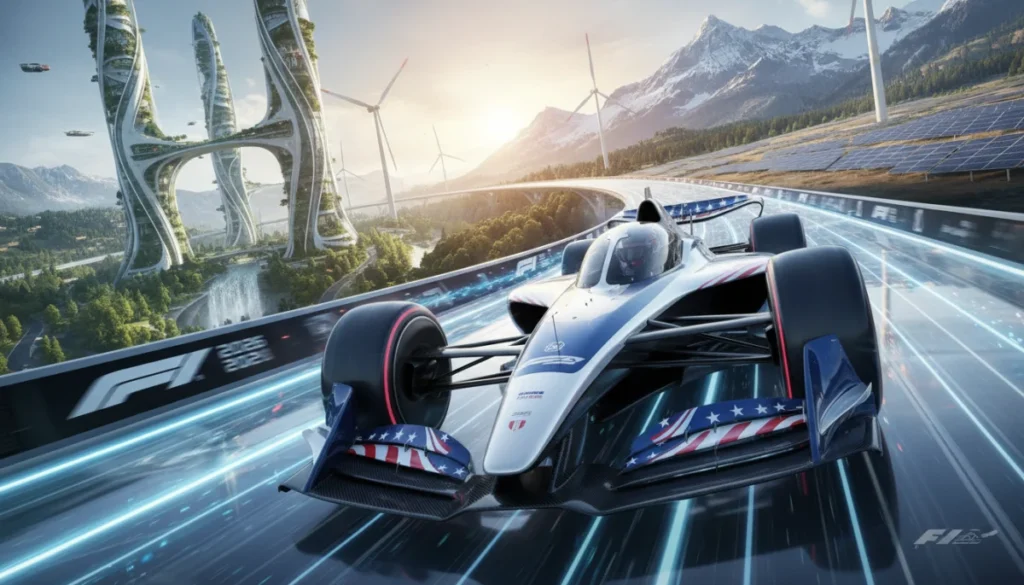
The 2026 F1 regulations introduce significant technical and sporting changes, profoundly affecting US teams, drivers, and the sport’s direction towards sustainability and closer racing.
The world of Formula 1 is constantly evolving, and the upcoming 2026 season promises one of the most substantial overhauls in recent memory. For fans, teams, and drivers, particularly those with a stake in the United States, understanding the implications of these new rules is paramount. This article will delve into Unpacking the 2026 F1 Regulations: 5 Key Changes Impacting US Teams and Drivers, exploring how these shifts will reshape the sport’s competitive landscape and its growing presence in America.
The new power unit: a hybrid revolution
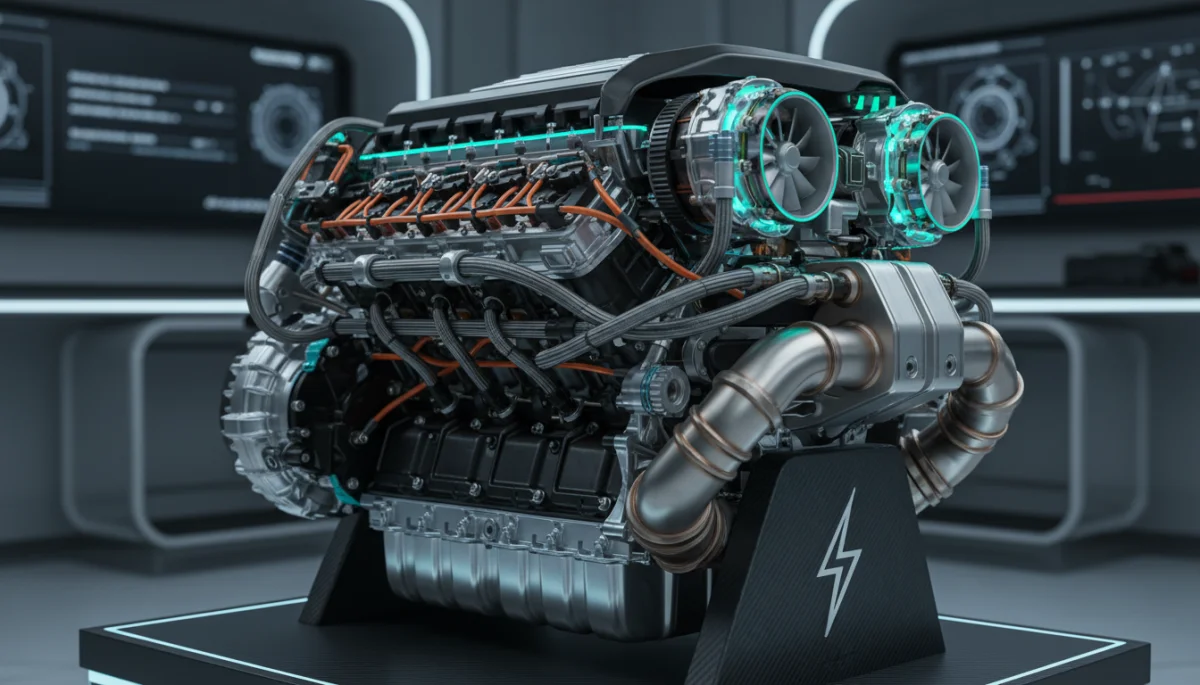
The core of the 2026 regulations lies in a radical transformation of the power unit. This change isn’t merely incremental; it’s a fundamental reimagining designed to balance performance with environmental responsibility. The emphasis shifts dramatically towards electrical power, aiming to make the sport more relevant to automotive industry trends and attract new manufacturers.
The new power unit architecture will see the removal of the MGU-H (Motor Generator Unit – Heat), a highly complex and expensive component that has been a significant barrier to entry for new engine suppliers. In its place, the MGU-K (Motor Generator Unit – Kinetic) will be significantly more powerful, increasing electrical output to an unprecedented 350kW, almost triple its current level. This means nearly 50% of the power will come from electricity, a monumental change from the current setup.
Simplifying complexity, boosting sustainability
The removal of the MGU-H is a direct response to calls for cost reduction and increased accessibility. This simplification aims to level the playing field, making it easier for new manufacturers to enter F1 without facing the daunting task of developing an extremely intricate and costly component. This could potentially attract more engine suppliers, fostering greater competition and innovation.
- MGU-H Removal: Reduces complexity and development costs, opening doors for new entrants.
- Increased Electrical Power: Electrical output jumps to 350kW, making the hybrid system more prominent.
- Standardized Components: Certain elements will be standardized to further control costs and promote parity.
- Sustainable Fuel Mandate: Engines will run on 100% sustainable fuels, aligning F1 with global environmental goals.
For US teams and drivers, this power unit revolution presents both challenges and opportunities. Teams like Haas, currently a customer of Ferrari power units, will need to adapt to a vastly different engine philosophy. The increased reliance on electrical power also brings a new dimension to energy management strategies, which could favor teams and drivers adept at optimizing hybrid systems. The push for sustainable fuels also resonates with a growing environmental consciousness in the US market, potentially enhancing F1’s appeal.
Aerodynamic concepts: active aero for efficiency
Beyond the power unit, significant aerodynamic changes are set to redefine how F1 cars look and perform. The 2026 regulations introduce active aerodynamics, a groundbreaking concept for Formula 1 that aims to reduce drag on straights and increase downforce in corners, thereby improving efficiency and promoting closer racing.
The new aero package will feature movable front and rear wings, allowing drivers to switch between different aerodynamic modes. On straights, the wings will flatten to reduce drag, increasing top speed and improving fuel efficiency. In corners, the wings will adjust to generate more downforce, providing stability and grip. This dynamic system is a departure from the fixed aerodynamic elements we see today and will require drivers to master new techniques for optimal performance.
Redefining car design and racing dynamics
The introduction of active aero will lead to lighter and smaller cars, a deliberate effort to make the vehicles more agile and responsive. The overall dimensions of the cars will be reduced, including a shorter wheelbase and narrower chassis. This aims to create more exciting racing, particularly on tighter circuits, and improve the cars’ ability to follow each other closely without suffering from excessive turbulent air.
- Movable Front and Rear Wings: Allows for dynamic adjustment of downforce and drag.
- Reduced Car Dimensions: Shorter wheelbase, narrower chassis for improved agility and closer racing.
- Efficiency Focus: Aero designed to complement the new power unit’s energy recovery strategies.
- Driver Skill Emphasis: Active aero will demand new driving styles and strategic management.
The impact on US teams and drivers will be profound. Engineering teams will face the complex task of integrating active aero systems seamlessly, requiring significant investment in research and development. Drivers will need to adapt their driving styles to exploit the full potential of these dynamic wings, potentially favoring those with strong technical understanding and adaptability. The goal is to make racing more engaging for fans, and these aerodynamic changes are central to that vision.
Sustainable fuels: a green future for F1
Perhaps one of the most impactful changes, and one that aligns perfectly with global environmental initiatives, is the mandate for 100% sustainable fuels from 2026 onwards. This commitment underscores Formula 1’s dedication to becoming a net-zero carbon sport by 2030, showcasing advanced sustainable technologies on a global stage.
These sustainable fuels will be derived from non-fossil sources, such as municipal waste, algae, or carbon capture technologies. The aim is to create a ‘drop-in’ fuel that can be used in conventional internal combustion engines, demonstrating a viable pathway for decarbonizing the wider automotive sector. This initiative is not just about F1; it’s about leading by example and inspiring broader industrial change.
Innovation and global relevance
The development and implementation of 100% sustainable fuels represent a significant engineering challenge and a massive opportunity for innovation. Fuel suppliers and engine manufacturers are working closely to ensure these new fuels deliver both performance and reliability, without compromising the spectacle of F1 racing. This commitment enhances F1’s relevance as a testbed for future automotive technologies.
For US teams and drivers, the sustainable fuel mandate is particularly significant. The US automotive market is increasingly focused on sustainability and electric vehicles. F1’s commitment to 100% sustainable fuels can further boost its appeal to a US audience that values environmental responsibility. It also opens doors for US-based companies specializing in sustainable energy and fuel technology to potentially partner with F1 teams.
This shift will require teams to optimize their power units to run efficiently on these new fuels, demanding extensive testing and development. Drivers will need to understand the nuances of managing power delivery with these fuels, adding another layer of strategic complexity to races. Ultimately, F1 aims to prove that high-performance motorsport can coexist with stringent environmental goals.
Cost cap adjustments: leveling the financial playing field
The introduction of the budget cap in 2021 was a landmark moment for Formula 1, aiming to create a more equitable financial landscape and prevent larger teams from outspending their rivals into submission. The 2026 regulations will see further adjustments to this cost cap, refining its application and ensuring its effectiveness in promoting competitive balance.
While specific figures are still subject to ongoing discussions and fine-tuning, the general direction is towards maintaining a strict control on spending. This includes reviewing what falls under the cap, potentially bringing more areas of expenditure into its scope, and adjusting for inflation and other economic factors. The goal remains to prevent a spending arms race and allow smaller teams to compete more effectively.
Strategic spending and competitive balance
The cost cap adjustments will force all teams, regardless of their financial backing, to be highly strategic in their resource allocation. Every dollar spent on research, development, manufacturing, and personnel will need to be justified and optimized. This encourages efficiency and ingenuity, rather than simply throwing money at problems.
- Expenditure Control: Continued and refined limitations on team spending.
- Fairer Competition: Aims to reduce the performance gap between top and bottom teams.
- Innovation Focus: Encourages smart, cost-effective innovation rather than brute force spending.
- Long-Term Sustainability: Helps ensure the financial viability of more teams in the sport.
For US teams like Haas, which operates on a leaner budget compared to the sport’s giants, a well-implemented cost cap is crucial. It provides a more realistic pathway to compete for points and even podiums, rather than being perpetually outspent. It also makes F1 a more attractive proposition for potential US-based investors or new team entries, as the financial barrier to entry becomes more manageable. Drivers will also benefit from having more competitive machinery across the grid, leading to more varied and exciting races.
Impact on US teams and drivers: a new era of opportunity
The aggregate effect of the 2026 F1 regulations will be particularly significant for US teams and drivers, presenting a mixture of challenges and unprecedented opportunities. With Formula 1’s surging popularity in the United States, these regulations could either cement its growth or introduce new hurdles.
For existing US-affiliated teams, such as Haas, the new regulations necessitate a substantial re-evaluation of their operational strategies. The shift in power unit philosophy and aerodynamic rules means that existing intellectual property and design principles will largely become obsolete. This provides a reset button, allowing teams to start on a more equal footing, but it also demands significant investment in new engineering talent and infrastructure to develop competitive cars from scratch. This could be a make-or-break moment for teams looking to climb the grid.
Andretti Global’s potential entry
The 2026 regulations are also highly relevant to potential new entrants, most notably Andretti Global, which has expressed strong interest in joining the F1 grid. A new set of rules provides a more level playing field for a new team to enter, as established teams won’t have years of accumulated advantage under a stable regulatory framework. The simplified power unit architecture, in particular, could make the prospect of securing an engine supply or even developing their own power unit more feasible for a new American team.
- Level Playing Field: New rules reduce the advantage of established teams, benefiting new entrants.
- Talent Demands: Requires significant investment in engineering and technical expertise to adapt.
- US Driver Development: Could open more opportunities for American talent as teams seek adaptable drivers.
- Market Growth: Aligns F1 with US automotive trends, potentially increasing sponsorship and fan engagement.
For US drivers, the landscape could also shift favorably. A more competitive grid, coupled with potentially more teams, could create additional seats. Drivers who excel in managing complex hybrid systems and active aerodynamics will be highly sought after. The growing presence of F1 in the US market also means increased visibility and potential backing for American talent, making the dream of reaching F1 more tangible. The convergence of technical innovation, sustainability, and competitive balance creates a fertile ground for American involvement to flourish.
Broader implications for F1 in the US market
Beyond the direct impact on teams and drivers, the 2026 F1 regulations carry significant broader implications for Formula 1’s continued growth and appeal within the United States. The series has enjoyed an unprecedented surge in popularity, and these upcoming changes are designed to sustain that momentum by addressing key aspects of modern motorsport and public interest.
The emphasis on sustainability, through 100% sustainable fuels and more efficient power units, aligns perfectly with evolving consumer values in the US. As environmental concerns become increasingly prominent, F1’s commitment to carbon neutrality and showcasing green technologies can resonate deeply with a broad American audience. This positions F1 not just as a thrilling sport, but also as a leader in automotive innovation, capable of influencing mainstream technology.
Enhancing fan engagement and relevance
The goal of closer racing, facilitated by simplified aerodynamics and a more balanced power unit formula, is paramount for maintaining fan engagement. American sports culture thrives on intense competition and unpredictable outcomes. If the 2026 regulations deliver on their promise of tighter battles throughout the grid, it will undoubtedly enhance F1’s entertainment value and attract even more casual viewers in the US.
- Increased Relevance: Sustainable tech aligns with US market values and automotive trends.
- Enhanced Spectacle: Closer racing aims to boost excitement and unpredictability.
- New Manufacturer Interest: Simplified engine rules could attract more global automotive players, including US brands.
- Economic Impact: Continued growth means more races, tourism, and jobs in the US.
Furthermore, the potential for new manufacturers to enter the sport due to the simplified power unit rules could see more global automotive brands, and even potentially US-based ones, join the fray. This would inject fresh competition and marketing power, further solidifying F1’s presence in the US. The economic benefits of F1 in the US, from race hosting to tourism and related industries, stand to grow significantly if these regulations successfully usher in a new era of competitive and relevant motorsport. The 2026 regulations are a strategic move to future-proof F1’s success, particularly in a crucial market like the United States.
| Key Change | Impact on US F1 |
|---|---|
| New Power Unit | Increased electrical power and MGU-H removal create a reset, potentially aiding new US entrants and requiring adaptation for existing teams. |
| Active Aerodynamics | Lighter, smaller cars with dynamic wings demand new engineering and driving skills, promising closer racing that appeals to US fans. |
| 100% Sustainable Fuels | Aligns F1 with US environmental values, enhancing market appeal and opening doors for US sustainable tech partnerships. |
| Cost Cap Adjustments | Refined budget limits foster a more equitable financial landscape, benefiting US teams like Haas and making F1 more attractive for new US investment. |
Frequently asked questions about the 2026 F1 regulations
The main goal is to increase electrical power significantly, remove the complex MGU-H, and mandate 100% sustainable fuels. This aims to make engines more relevant to road car technology, reduce costs, and attract new manufacturers to the sport, while also aligning with sustainability goals.
Active aerodynamics will introduce movable front and rear wings, allowing cars to reduce drag on straights for higher speeds and increase downforce in corners for better grip. This system is designed to promote closer racing and improve overall efficiency, demanding new skills from drivers.
It means F1 cars will run on fuels derived entirely from non-fossil sources, such as bio-waste or carbon capture. This initiative is a crucial step towards F1’s net-zero carbon goal by 2030, showcasing a viable path for decarbonizing internal combustion engines globally.
Yes, refined cost cap adjustments are intended to level the financial playing field, preventing larger teams from outspending rivals. This can significantly benefit US teams with more modest budgets like Haas, offering a better chance to compete for higher positions and attract investment.
The new regulations, particularly the simplified power unit and cost controls, create a more level playing field, potentially making it easier for new US team entries, such as Andretti Global, to join and be competitive from the outset. This reduces the historical disadvantage of starting from scratch.
Conclusion
The 2026 F1 regulations represent a bold step forward for Formula 1, aiming to create a more sustainable, competitive, and relevant sport. From revolutionary power units and active aerodynamics to a commitment to 100% sustainable fuels and refined cost caps, these changes are poised to reshape every aspect of racing. For US teams, drivers, and the burgeoning American F1 market, these regulations usher in a new era of opportunity, demanding adaptability and innovation but promising a more thrilling and environmentally conscious spectacle. The future of F1 in the United States looks set to be as dynamic and exciting as the regulations themselves.
