2026 F1 Regulations: Key Changes for US Teams and Drivers
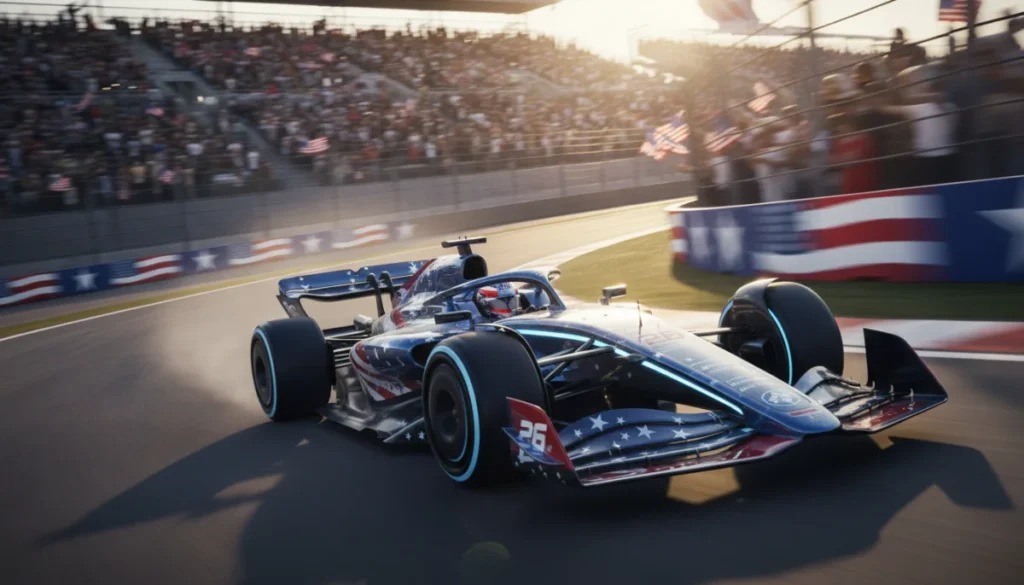
The 2026 F1 regulations introduce significant overhauls to power units, aerodynamic principles, and financial structures, profoundly impacting US teams like Haas and the prospects of American drivers entering the sport’s highest echelon.
The world of Formula 1 is constantly evolving, and the upcoming 2026 F1 regulations are set to usher in one of the most significant transformations in recent memory. These sweeping changes will not only reshape the cars themselves but also have profound implications for teams, manufacturers, and drivers, particularly those with a keen eye on the burgeoning American market. For US teams and aspiring American drivers, understanding these shifts is paramount.
the radical new power unit regulations
The core of the 2026 F1 regulations lies in a complete overhaul of the power unit. This change isn’t merely incremental; it represents a philosophical shift towards greater sustainability, increased electrical power, and cost efficiency. The aim is to attract new manufacturers and ensure the sport remains relevant in a rapidly changing automotive landscape.
The new power unit formula will see a significant increase in electrical power, with the MGU-H (Motor Generator Unit – Heat) being removed entirely. This component, responsible for recovering energy from exhaust gases, was notoriously complex and expensive, acting as a barrier to entry for potential new engine suppliers. Its removal is expected to simplify the engine architecture and reduce development costs.
increased electrical power and sustainable fuels
The electrical component of the power unit will be boosted to approximately 350kW, nearly tripling its current output. This means that a substantial portion of the car’s power will come from electricity, emphasizing hybrid technology. Furthermore, the regulations mandate the use of 100% sustainable fuels, a move that aligns F1 with global efforts towards decarbonization.
- MGU-H Removal: Simplifies engine design, reduces costs, and lowers entry barriers.
- Increased Electrical Output: Boosts electrical power to 350kW, promoting hybrid efficiency.
- 100% Sustainable Fuels: Mandates environmentally friendly fuel sources, aligning with global sustainability goals.
- Cost Cap on Power Units: Introduces financial limits on engine development and production.
For US teams like Haas, these power unit changes present both challenges and opportunities. While developing a new power unit from scratch is a monumental task, the simplified design and cost cap could make it more feasible for smaller teams to compete or even for a US-based manufacturer to consider entering in the long term. The emphasis on sustainable fuels also resonates strongly with American environmental initiatives and consumer preferences, potentially boosting F1’s appeal in the US market.
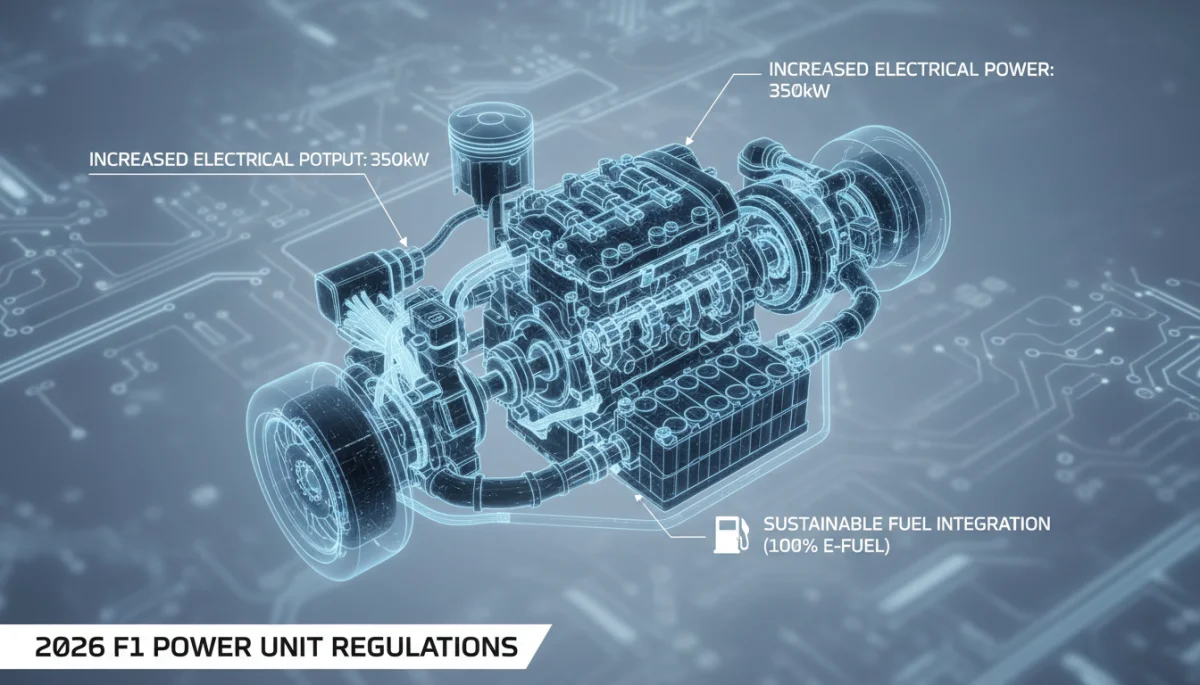
In conclusion, the power unit revolution of 2026 is designed to create a more level playing field, reduce financial burdens, and propel Formula 1 into a greener future. These changes are fundamental, demanding significant investment and innovation from all participants, while potentially opening doors for new entrants or deeper collaborations.
aerodynamic and chassis simplifications
Beyond the engine, the 2026 F1 regulations also introduce significant revisions to the aerodynamic and chassis design of the cars. The primary goal here is to improve racing by making cars easier to follow and overtake, while also reducing their overall size and weight. This aims to create more dynamic and unpredictable races, a common desire among fans and drivers alike.
The new regulations will feature active aerodynamics, allowing drivers to adjust front and rear wing elements to optimize speed on straights and downforce in corners. This innovative concept, dubbed ‘Drag Reduction System’ (DRS) 2.0, will offer a more strategic element to racing, enabling cars to reduce drag for higher top speeds on specific sections of the track and increase downforce for stability through turns. The overall car dimensions are expected to be smaller and lighter, making them more agile and potentially more suitable for a wider range of circuits.
focus on raceability and driver skill
Reducing the reliance on complex aerodynamic devices and increasing the importance of mechanical grip will place a greater emphasis on driver skill and car setup. The cars are expected to be less sensitive to turbulent air when following closely, which has been a major impediment to exciting racing in recent years. This shift could lead to closer battles and more opportunities for drivers to showcase their talent.
- Active Aerodynamics: Introduces movable front and rear wing elements for strategic drag reduction.
- Smaller and Lighter Cars: Aims for more agile and raceable vehicles.
- Reduced Wake Sensitivity: Designed to improve close-quarters racing and overtaking opportunities.
- Standardized Components: Potential for more common parts to control costs and complexity.
For US teams, adapting to these aerodynamic changes will require significant engineering prowess. Haas, as a customer team, will rely heavily on its technical partners to interpret and implement these new rules effectively. However, a simpler aerodynamic philosophy could also mean that smaller teams have a better chance to optimize their designs without needing the colossal budgets of the top constructors. The emphasis on driver skill could also benefit American drivers, as a more level playing field based on talent rather than aero advantage could open up more opportunities.
Ultimately, these aerodynamic and chassis simplifications are geared towards enhancing the spectacle of Formula 1. By making the cars more raceable and less reliant on intricate aero, the regulations promise a return to a more pure form of racing, where driver ability and strategic choices take center stage.
financial regulations and the cost cap evolution
The financial regulations, particularly the cost cap, have been a game-changer in Formula 1 since their introduction. For 2026, these regulations are set to evolve further, aiming to solidify financial stability and promote a more equitable competitive environment. The objective is to prevent runaway spending and ensure that even teams with smaller budgets can realistically compete for points and podiums.
The existing cost cap will be refined, with particular attention paid to how new power unit development and manufacturing costs are integrated. The removal of the MGU-H and the standardization of certain components are directly linked to these financial objectives. The FIA and Formula 1 are committed to making the sport financially sustainable for all ten teams, encouraging long-term participation and investment.
impact on team strategies and investment
For US teams, financial stability is crucial. Haas, operating with a more streamlined budget compared to some of the sport’s giants, benefits significantly from a well-enforced cost cap. It allows them to maximize their resources and focus on performance gains without being outspent into oblivion. The evolving financial landscape also makes F1 a more attractive proposition for potential American investors or even a future US-based constructor.
- Refined Cost Cap: Further limits spending on car development and operations.
- Power Unit Cost Inclusion: Specific financial controls introduced for new engine regulations.
- Promoting Financial Health: Aims to ensure the long-term viability of all teams.
- Attracting New Entrants: Creates a more accessible financial environment for new manufacturers or teams.
The financial regulations are not just about limiting spending; they are about fostering innovation within defined boundaries. Teams are challenged to be more efficient, strategic, and clever with their resources. This shift favors ingenuity over sheer financial muscle, which could be a significant advantage for agile operations and those who can optimize their development processes. For US teams, this means a greater emphasis on strategic partnerships and efficient resource allocation, potentially leading to more competitive outcomes.
In essence, the evolution of the cost cap and financial regulations underscores Formula 1’s commitment to a more balanced and sustainable future. By controlling expenditure, the sport aims to guarantee a competitive spectacle, where talent and intelligent engineering are rewarded, rather than simply the deepest pockets.
implications for US teams: haas and potential new entrants
The 2026 F1 regulations carry substantial weight for US teams, particularly Haas F1 Team, and could pave the way for new American entries. Haas, as the sole American-owned and operated team, will be at the forefront of navigating these changes. Their ability to adapt quickly and effectively will be crucial for their competitive standing in the coming years.
For Haas, the power unit changes mean working closely with Ferrari to integrate the new hybrid system and sustainable fuels seamlessly. The aerodynamic simplifications might offer an opportunity to develop more competitive chassis designs within the cost cap, potentially closing the gap to midfield rivals. The continued refinement of the financial regulations provides a more predictable and sustainable operational environment, which is vital for a privately owned team.
the allure of a US-based manufacturer or team
Beyond Haas, the simplified power unit regulations and the overall cost cap could significantly lower the barrier to entry for a new American manufacturer or even a new US-based team. The increased focus on electrical power and sustainable fuels aligns well with the direction of the US automotive industry, potentially making F1 a more attractive platform for showcasing advanced technologies. The growing popularity of F1 in the US, fueled by events like the Miami and Las Vegas Grands Prix, further enhances this appeal.
- Haas’s Adaptation: Crucial period for integrating new power units and optimizing chassis within regulations.
- Reduced Entry Barriers: Simplified rules and cost cap make F1 more accessible for new teams/manufacturers.
- Alignment with US Auto Industry: Sustainable fuels and hybrid tech resonate with American automotive trends.
- Growing US Market: Increased F1 popularity in the US enhances commercial viability for American involvement.
The prospect of an all-American team, from chassis design to power unit development, is a long-held dream for many US motorsport enthusiasts. While challenging, the 2026 regulations make this vision slightly more tangible. The regulatory framework is designed to encourage diversity and new participants, and the US market represents an enormous untapped potential for Formula 1.
In conclusion, the 2026 regulations present a pivotal moment for US involvement in Formula 1. Haas will face a critical test of adaptability, while the broader regulatory environment creates a more fertile ground for greater American presence and investment in the sport’s highest echelons.
opportunities for american drivers in 2026
The 2026 F1 regulations, with their emphasis on driver skill and a potentially more level playing field, could unlock significant opportunities for American drivers aspiring to reach Formula 1. Historically, securing a seat in F1 has been a formidable challenge for US talent, but the changing landscape might just tip the scales in their favor.
The simplified aerodynamics and the goal of making cars more raceable mean that raw driving talent could become an even more distinguishing factor. If cars are less sensitive to aero wake and easier to follow, the ability of a driver to push the limits and execute overtakes will stand out more. This shift could benefit drivers coming from junior categories where car performance differences are often less pronounced, allowing pure skill to shine through.
the pathway to formula 1 for US talent
The increasing popularity of Formula 1 in the United States has led to greater investment in grassroots motorsport and driver development programs. Combined with the regulatory changes, this creates a more robust pipeline for American talent. Teams are increasingly looking to tap into the US market, and having an American driver could be a significant commercial advantage.
- Emphasis on Driver Skill: Simplified aerodynamics could highlight individual talent more prominently.
- Increased US F1 Interest: Growing popularity leads to more investment in American driver development.
- Commercial Appeal: American drivers offer significant marketing potential for F1 teams.
- Potential for New US Teams: A US-based team could prioritize American talent.
Furthermore, if new US manufacturers or teams were to enter F1 under the 2026 regulations, they would naturally look to develop and promote American drivers. This could create additional seats and pathways that currently do not exist. Even existing teams might consider American talent more seriously if the commercial benefits of appealing to the US market continue to grow.
The journey to Formula 1 remains incredibly challenging, but the 2026 regulations offer a glimmer of hope for American drivers. By prioritizing skill, fostering a more competitive environment, and aligning with the commercial growth in the US, these changes could pave the way for a stronger American presence on the F1 grid.
challenges and adaptations for all teams
While the 2026 F1 regulations promise an exciting future, they also present significant challenges and demand considerable adaptation from all participating teams. The scale of these changes means that no team can afford to rest on its laurels; continuous innovation and strategic planning will be paramount for success.
The development of an entirely new power unit, even with simplified rules, is a monumental engineering task. Manufacturers will need to invest heavily in research and development to optimize the new hybrid systems and ensure reliability. Teams will also face the challenge of integrating these new power units into radically different chassis designs, all while adhering to strict cost caps and evolving aerodynamic principles.
managing the transition and resource allocation
Resource allocation will be a critical factor. Teams must decide how to balance development for the current regulations with the extensive work required for 2026. This dual development path can strain even the largest teams, making efficient project management and strategic decision-making more important than ever. Smaller teams, despite the cost cap, will need to be particularly clever in how they deploy their limited resources.
- Dual Development Path: Balancing current car development with 2026 regulation changes.
- Engineering Complexity: Mastering new power unit and aerodynamic concepts simultaneously.
- Resource Optimization: Strategic allocation of budget and personnel under the cost cap.
- Supplier Relationships: Strengthening partnerships for effective integration of new components.
Beyond the technical aspects, teams will also need to adapt their operational strategies. Pit stop procedures, race strategies, and even driver training might need adjustments to account for the new car characteristics and active aerodynamic elements. The learning curve will be steep, and the teams that can adapt most effectively will gain a significant competitive edge.
In essence, the 2026 regulations represent a reset button for Formula 1. While the vision is clear – more sustainable, competitive, and exciting racing – the path to achieving it will be fraught with engineering hurdles, financial constraints, and the constant pressure to innovate. All teams, regardless of their size or history, will be tested to their limits.
| Key Change | Impact on US Teams/Drivers |
|---|---|
| New Power Unit | Haas must integrate new Ferrari engine; lower barrier for potential US manufacturers. |
| Active Aerodynamics | Requires innovative design from Haas; could enhance driver skill focus, benefiting US drivers. |
| Evolved Cost Cap | Ensures financial stability for Haas; makes F1 more attractive for US investors/new teams. |
| Sustainable Fuels | Aligns F1 with US environmental goals, increasing appeal and potential for US partnerships. |
frequently asked questions about the 2026 F1 regulations
The 2026 F1 power unit regulations involve removing the MGU-H, significantly increasing electrical power output to 350kW, and mandating the use of 100% sustainable fuels. These changes aim to simplify engine design, reduce costs, and promote environmental sustainability, making the sport more appealing to new manufacturers.
Active aerodynamics will allow drivers to adjust front and rear wing elements dynamically, optimizing for speed on straights and downforce in corners. This is expected to improve overtaking opportunities by reducing turbulent air effects and making cars easier to follow, leading to more exciting and unpredictable races.
The refined cost cap and financial regulations aim to ensure financial stability and a more level playing field. For teams like Haas, this means they can compete more effectively without being outspent. It encourages efficient resource allocation and strategic innovation, making F1 more sustainable for all participants and attractive to new investors.
Yes, the emphasis on driver skill due to simplified aerodynamics, coupled with increased US interest in F1 and potential new American team entries, could create more opportunities for US drivers. The commercial appeal of an American driver is also a significant factor that teams may consider more strongly.
Teams face significant challenges including the dual development of current and 2026 cars, mastering complex new power unit and aerodynamic concepts, and optimizing resource allocation within strict cost caps. Strategic partnerships and efficient project management will be crucial for a successful transition and competitive performance.
conclusion
The 2026 F1 regulations are poised to redefine the sport, driving it towards a more sustainable, competitive, and engaging future. From the revolutionary power units and active aerodynamics to the refined financial landscape, every facet of Formula 1 is undergoing a significant transformation. For US teams like Haas, these changes present both formidable challenges and unparalleled opportunities to solidify their position and potentially climb the competitive ladder. For aspiring American drivers, the emphasis on pure skill and the growing commercial appeal of the US market could pave a clearer path to the pinnacle of motorsport. While the road to 2026 will demand immense innovation and adaptability from all involved, the promise of closer racing, environmental relevance, and a broader global appeal makes it an eagerly anticipated era for Formula 1, especially for its expanding footprint in the United States.
