DOT Inspection Protocols 2026: Achieving a 95% Pass Rate
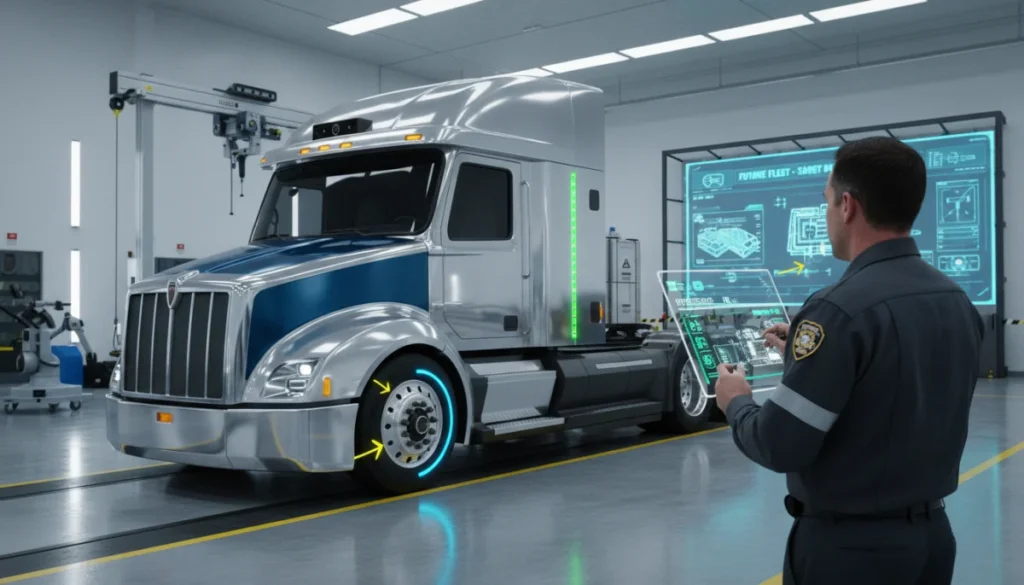
Achieving a pass rate above 95% in the 2026 DOT inspections requires a proactive approach, focusing on vehicle maintenance, driver qualifications, hours of service, hazardous materials compliance, and proper documentation to meet evolving regulatory standards.
As the commercial trucking landscape continues its rapid evolution, staying ahead of regulatory changes is not just good practice; it’s essential for operational integrity and safety. Navigating the latest DOT Inspection Protocols 2026 demands a strategic, informed approach to ensure your fleet not only complies but excels, aiming for a pass rate above 95%.
Understanding the Evolving Landscape of DOT Inspections
The Federal Motor Carrier Safety Administration (FMCSA) consistently updates its inspection protocols to enhance road safety and ensure fair competition within the industry. For 2026, these updates reflect advancements in vehicle technology, data analytics, and a heightened focus on driver well-being. Keeping pace with these changes is crucial for any fleet aiming for top-tier compliance and operational excellence.
DOT inspections are not merely about avoiding fines; they represent a commitment to public safety and the longevity of your business. A high pass rate signifies a well-managed operation, which can lead to reduced insurance premiums, better driver retention, and a stronger reputation within the logistics sector. Proactive preparation is the cornerstone of success in this environment.
Key Shifts in 2026 Inspection Focus
The emphasis for 2026 is shifting towards more data-driven assessments and a holistic view of carrier operations. This includes leveraging telematics data, enhancing scrutiny of electronic logging device (ELD) compliance, and a deeper dive into vehicle maintenance records. Carriers must be prepared for a more comprehensive review than ever before.
- Increased scrutiny of ELD data for hours of service (HOS) violations.
- Enhanced focus on advanced driver-assistance systems (ADAS) functionality.
- More frequent random roadside inspections based on carrier safety scores.
- Greater emphasis on cybersecurity measures for vehicle systems.
Understanding these evolving trends allows carriers to anticipate potential inspection points and allocate resources effectively. It’s about moving beyond minimum compliance to establishing a culture of continuous safety and operational improvement. This foundational understanding sets the stage for achieving a pass rate above 95%.
Area 1: Comprehensive Vehicle Maintenance and Condition
The mechanical integrity of commercial vehicles remains a paramount concern for DOT inspectors. In 2026, the expectations for vehicle maintenance are higher, pushed by technological advancements and a zero-tolerance approach to critical defects. A meticulous pre-trip inspection and ongoing preventative maintenance program are non-negotiable for a high pass rate.
Inspectors will be looking for a wide range of issues, from tire tread depth and brake system functionality to lighting and coupling devices. Any discrepancy can lead to citations, or worse, an out-of-service order. Therefore, a robust maintenance schedule, coupled with thorough driver-reported defect resolution, is vital.
Advanced Diagnostics and Preventative Measures
Modern commercial vehicles are equipped with sophisticated diagnostic systems. Leveraging these tools for predictive maintenance can prevent minor issues from escalating into major violations. Regularly scheduled maintenance, exceeding the minimum requirements, demonstrates a commitment to safety that inspectors appreciate.
- Regular inspection of brake components, including air lines, drums, and shoes.
- Monitoring tire pressure and condition, ensuring adequate tread depth.
- Verification of all lighting systems, including headlights, taillights, and turn signals.
- Checking steering and suspension components for wear and tear.
Beyond routine checks, carriers should invest in training their maintenance staff on the latest vehicle technologies and FMCSA regulations. This ensures that repairs and maintenance are performed to the highest standards, directly impacting inspection outcomes. A well-maintained vehicle is a clear indicator of a safety-conscious operation.
Area 2: Driver Qualification and Training Excellence
Drivers are the frontline of your operation and a critical component of any DOT inspection. Their qualifications, training, and adherence to regulations are under constant scrutiny. For 2026, the emphasis on driver readiness, including proper licensing, medical certification, and ongoing training, is more pronounced than ever. A well-trained driver is your best asset during an inspection.
Inspectors will verify commercial driver’s licenses (CDLs), medical examiner’s certificates, and ensure drivers are not operating under any disqualifying conditions. Beyond basic compliance, a driver’s professionalism and knowledge of safety protocols can significantly influence the inspection process.
Continuous Education and Certification
Maintaining up-to-date driver qualification files is fundamental. This includes tracking license renewals, medical certifications, and any endorsements required for specific cargo or vehicle types. However, compliance extends beyond paperwork; it encompasses continuous education on evolving regulations and best practices.
- Regular review of driver qualification files for accuracy and completeness.
- Mandatory refresher training on HOS rules and ELD operation.
- Specialized training for hazardous materials endorsement, if applicable.
- Ongoing defensive driving courses and safety awareness programs.
Investing in driver training not only improves safety but also empowers drivers to confidently navigate inspections. A driver who understands the regulations and can articulate their adherence to them presents a highly positive image to inspectors, contributing significantly to a favorable outcome.
Area 3: Hours of Service (HOS) and ELD Compliance
Hours of Service (HOS) regulations are designed to prevent driver fatigue and are among the most frequently cited violations during DOT inspections. With the widespread adoption of Electronic Logging Devices (ELDs), enforcement has become more precise. For 2026, flawless ELD compliance and accurate HOS record-keeping are absolutely essential for a pass rate above 95%.
Inspectors will meticulously review ELD data for any discrepancies, falsifications, or patterns of non-compliance. This includes ensuring proper use of personal conveyance, yard moves, and accurate duty status changes. Even minor errors can lead to significant penalties and negatively impact your safety scores.
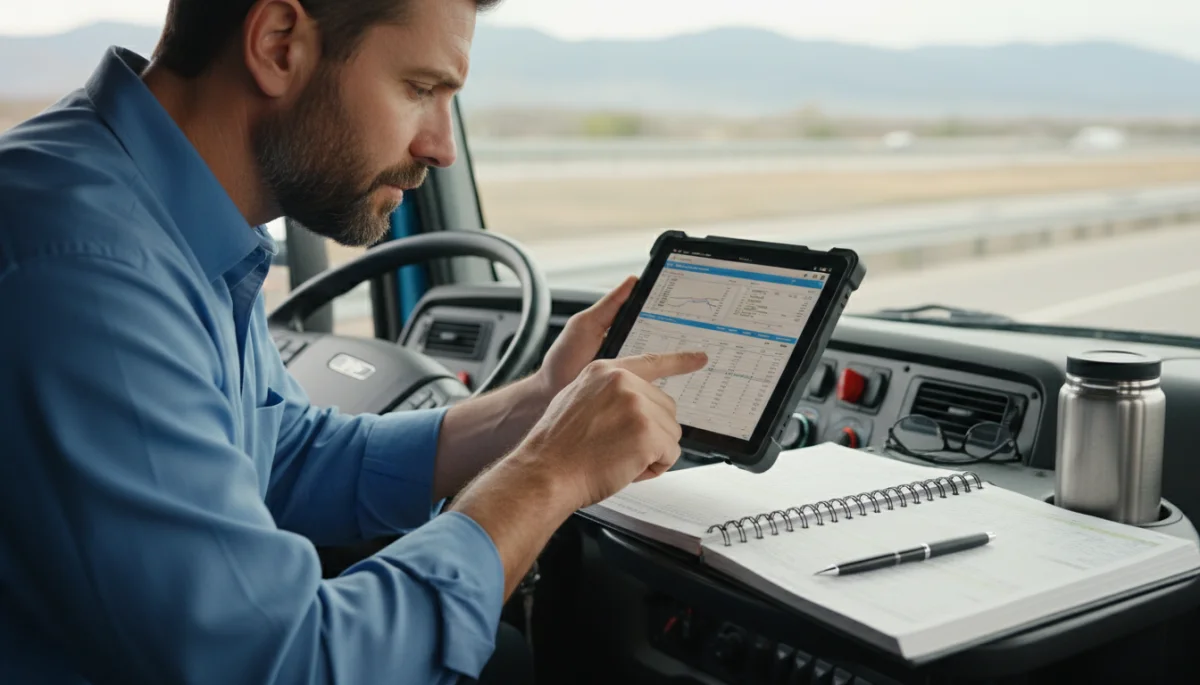
Auditing ELD Data and Driver Training
Regular internal audits of ELD data can help identify and correct issues before they become violations. This proactive approach allows carriers to address common mistakes in log entries or ELD operation. Furthermore, continuous training for drivers on ELD functionality and HOS rules is paramount.
- Daily review of ELD logs for accuracy and potential violations.
- Training drivers on proper ELD operation and data entry.
- Understanding and correctly utilizing exemptions and special driving categories.
- Implementing clear policies for personal conveyance and yard moves.
Ensuring that drivers are proficient with their ELDs and fully understand HOS regulations is crucial. This reduces the likelihood of errors during roadside inspections and demonstrates a commitment to compliance. A clean HOS record is a strong indicator of a well-managed and safe operation.
Area 4: Hazardous Materials (HazMat) Compliance
For carriers transporting hazardous materials, compliance with HazMat regulations is a critical area of focus during DOT inspections. The potential risks associated with HazMat transportation necessitate strict adherence to federal guidelines. In 2026, inspectors will continue to scrutinize every aspect of HazMat operations, from placarding and labeling to driver training and emergency response plans.
Any lapse in HazMat compliance can result in severe penalties, including substantial fines and immediate out-of-service orders. The complexity of these regulations requires specialized knowledge and meticulous attention to detail at every stage of the transportation process.
Comprehensive HazMat Program Implementation
A robust HazMat program includes thorough pre-trip inspections, proper documentation, secure packaging, and adequate emergency response resources. Drivers transporting HazMat must possess the correct endorsements and receive recurrent training specific to the materials they are carrying.
- Ensuring correct placarding and labeling of all HazMat shipments.
- Verifying proper packaging and securement of hazardous materials.
- Maintaining up-to-date shipping papers and emergency response information.
- Providing specialized HazMat training and certifications for all involved personnel.
Proactive management of HazMat compliance not only prevents violations but also enhances overall safety. Regular internal audits and mock inspections can help identify weaknesses in your HazMat program, allowing for corrective actions before an actual DOT inspection. This specialized area demands unwavering attention to detail.
Area 5: Documentation and Record-Keeping Accuracy
Beyond the physical inspection of vehicles and drivers, DOT inspectors place significant emphasis on documentation and record-keeping. For 2026, the expectation is for organized, accurate, and readily accessible records that paint a clear picture of your compliance efforts. This includes vehicle maintenance records, driver qualification files, HOS logs, and accident registers.
The ability to quickly produce requested documents, and for those documents to be complete and accurate, can significantly streamline an inspection. Discrepancies or missing records can raise red flags and lead to more in-depth scrutiny, potentially resulting in violations.
Leveraging Digital Solutions for Record Management
Many carriers are transitioning to digital record-keeping systems, which can improve efficiency and accuracy. Electronic document management systems (EDMS) allow for easy retrieval and secure storage of all necessary paperwork, from vehicle inspection reports to driver medical certificates. This digital transformation can be a significant advantage during inspections.
- Maintaining detailed vehicle maintenance records, including repair dates and parts used.
- Ensuring all driver qualification files are complete and current.
- Keeping accurate and accessible records of all HOS logs for the required period.
- Documenting all accident reports and post-accident testing results.
Investing in reliable record-keeping systems and training staff on their proper use is crucial. Accurate and organized documentation not only supports compliance but also provides valuable data for operational analysis and continuous improvement. A well-organized documentation system is a testament to a well-run operation.
| Key Focus Area | Brief Description |
|---|---|
| Vehicle Maintenance | Ensure all vehicles are in peak mechanical condition with thorough preventative maintenance. |
| Driver Qualifications | Verify all driver licenses, medical certs, and provide continuous training. |
| HOS & ELD Compliance | Maintain accurate HOS logs and ensure flawless ELD data management. |
| Documentation Accuracy | Keep all records organized, accurate, and readily accessible for inspection. |
Frequently Asked Questions About 2026 DOT Inspections
The 2026 protocols emphasize data-driven assessments, leveraging telematics and ELD data more heavily. There’s also increased scrutiny on advanced driver-assistance systems (ADAS) and cybersecurity, alongside a continued focus on vehicle maintenance and driver qualifications. Proactive compliance is key.
Achieving a 95% pass rate involves meticulous attention to vehicle maintenance, rigorous driver training, flawless Hours of Service compliance via ELDs, accurate hazardous materials handling (if applicable), and impeccable record-keeping. Regular internal audits and proactive measures are essential.
Technology is crucial. ELDs are standard, and telematics data is increasingly used for compliance monitoring. Advanced diagnostics for vehicle maintenance, digital record-keeping systems, and ADAS functionality are all areas where technology plays a significant role in meeting 2026 DOT standards.
While core requirements remain, there’s an increased emphasis on continuous education. This includes refresher training on updated HOS rules, ELD operation, and specialized training for hazardous materials. Ensuring drivers are well-informed and professional is critical for successful inspections.
Common pitfalls include incomplete vehicle maintenance records, inaccurate ELD logs, expired driver medical certificates, improper placarding for HazMat, and general disorganization of required documentation. Proactive checks and attention to detail can prevent these issues.
Conclusion: A Proactive Approach to DOT Compliance
Navigating the latest DOT inspection protocols for 2026 and achieving a pass rate above 95% is an attainable goal for any carrier committed to safety and operational excellence. It requires a multifaceted approach that integrates comprehensive vehicle maintenance, rigorous driver qualification and training, meticulous Hours of Service compliance, stringent hazardous materials management, and impeccable record-keeping. By proactively addressing these five key areas, fleets can not only meet but exceed regulatory expectations, fostering a culture of safety that benefits drivers, companies, and the public alike. The investment in robust compliance strategies today ensures a smoother, safer, and more successful operation tomorrow.
