Diesel Prices 2026: Expert Predictions, Budgeting for 8% Increase
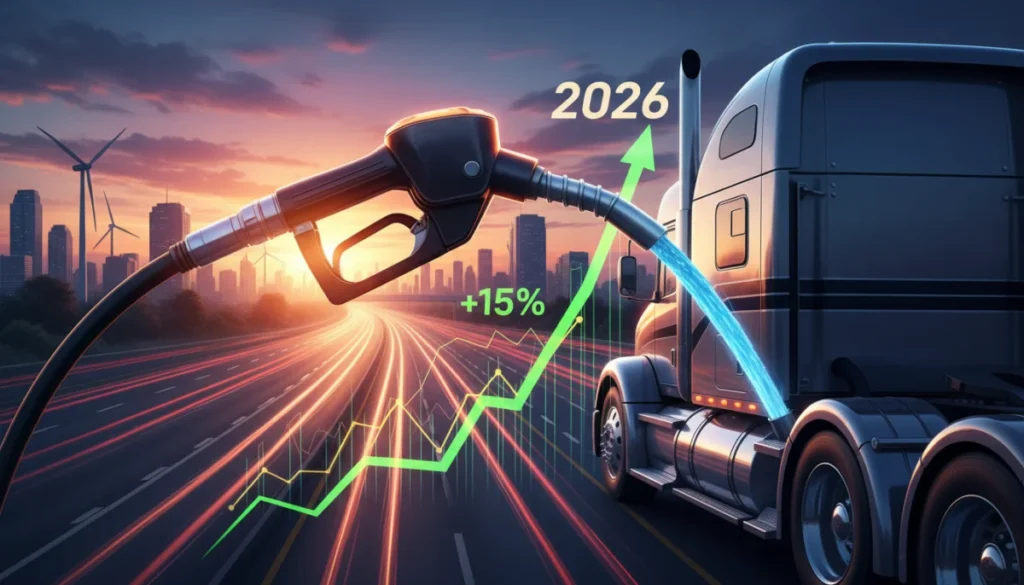
The 2026 outlook for diesel prices suggests a potential 8% increase by year-end, necessitating proactive budgeting and an understanding of key market influences for consumers and industries.
As we navigate the complexities of the global energy market, understanding the 2026 outlook for diesel prices becomes paramount for drivers, businesses, and policymakers alike. With expert predictions pointing towards a potential 8% increase by year-end, proactive budgeting and strategic planning are no longer optional but essential for mitigating financial impacts.
Understanding the Global Diesel Market Dynamics
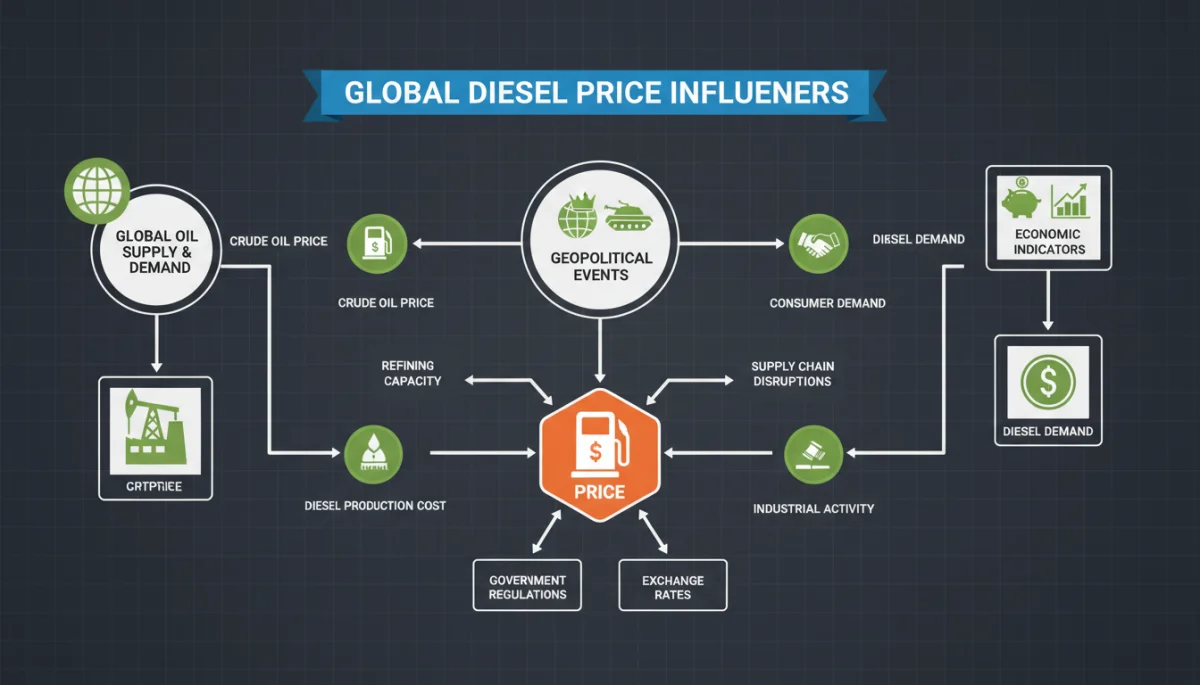
The global diesel market is a intricate web woven from geopolitical tensions, economic shifts, and supply chain vulnerabilities. Predicting its trajectory requires a keen eye on various international and domestic factors that can swing prices dramatically. From the output decisions of OPEC+ to the refining capacities of major industrial nations, every element plays a role in shaping the cost at the pump.
In 2026, several key drivers are expected to exert significant pressure on diesel prices. These include ongoing conflicts in oil-producing regions, which can disrupt supply lines and create perceived scarcity, leading to speculative trading and price hikes. Additionally, the pace of global economic recovery and industrial activity directly influences demand for diesel, a primary fuel for shipping, agriculture, and construction.
Geopolitical Influences on Diesel Supply
Geopolitical stability remains a fragile commodity, and its absence often translates directly to energy market volatility. Any major political upheaval or conflict in regions critical for oil production or transit can immediately impact global crude oil prices, which in turn affects diesel.
- Middle East Tensions: Ongoing conflicts and regional power struggles can threaten oil flows.
- Sanctions and Trade Wars: Restrictions on oil-producing nations can reduce global supply.
- Shipping Route Security: Disruptions in major shipping lanes increase transportation costs.
These factors create an environment of uncertainty, making it challenging for markets to maintain stable pricing. The ripple effect extends from crude oil to refined products like diesel, as refineries must factor in higher input costs.
Economic Growth and Demand Projections
The health of the global economy is inextricably linked to diesel demand. As economies expand, so does the need for transportation, construction, and manufacturing, all heavily reliant on diesel fuel. Conversely, economic slowdowns can temper demand, potentially leading to price stabilization or even declines.
For 2026, analysts are closely watching the post-pandemic recovery trajectories of major economies like the US, China, and the Eurozone. Strong industrial output and increased consumer spending typically mean more goods being moved, more infrastructure projects underway, and greater agricultural activity, all translating to higher diesel consumption.
In conclusion, the global diesel market is a complex ecosystem. Understanding the interplay of geopolitical events, economic indicators, and supply chain logistics is crucial for anticipating price movements. These foundational elements directly influence the cost of crude oil and the subsequent refining into diesel, setting the stage for the price fluctuations we can expect in 2026.
Forecasting Diesel Price Trends for 2026
Expert predictions for 2026 diesel prices paint a picture of moderate but consistent upward pressure, culminating in an estimated 8% increase by year-end. This forecast is not based on a single variable but on a confluence of interacting factors, ranging from crude oil benchmarks to refining costs and regulatory changes. Dissecting these elements provides a clearer understanding of the projected price trajectory.
Several leading energy analysts and financial institutions contribute to this consensus, often utilizing sophisticated models that incorporate historical data, current market conditions, and future economic outlooks. Their projections generally point to a gradual ascent, rather than sudden spikes, allowing for some degree of preparation.
Crude Oil Price Benchmarks and Their Impact
The price of crude oil is the single largest determinant of diesel costs. International benchmarks like Brent Crude and West Texas Intermediate (WTI) serve as global indicators. Any upward movement in these benchmarks invariably translates to higher diesel prices, as crude oil is the primary raw material.
- Supply-Demand Balance: Global crude oil production versus consumption dictates price.
- Inventory Levels: High crude inventories can depress prices; low inventories can inflate them.
- Speculative Trading: Futures markets can amplify price movements based on anticipated events.
For 2026, expectations are that crude oil prices will remain firm, supported by steady demand and potentially constrained supply from various geopolitical and investment factors. This underlying strength in crude provides a strong base for the projected diesel price increases.
Refining Capacity and Operational Costs
Beyond crude oil, the capacity of refineries to process crude into diesel and the associated operational costs also significantly influence the final price. Refining is an energy-intensive process, and the cost of natural gas or electricity used by refineries directly impacts their margins.
In recent years, global refining capacity has faced challenges, including closures and reduced investment in new facilities, partly due to environmental regulations and shifts towards renewable energy. This can lead to bottlenecks, especially during periods of high demand, pushing diesel prices higher even if crude oil prices are stable.
The forecast for 2026 diesel prices, reflecting an 8% increase, is a composite of these intricate market forces. From the baseline of crude oil prices to the operational efficiencies of refineries and the broader economic landscape, each component contributes to the overall trend. Drivers and businesses should consider this comprehensive outlook in their financial planning.
Key Factors Driving the 8% Increase by Year-End
The anticipated 8% increase in diesel prices by the end of 2026 is not a random projection but rather a consequence of specific, identifiable factors that are expected to converge and exert upward pressure on the market. These factors range from global supply chain challenges to increasing regulatory burdens and the ongoing energy transition.
Understanding these underlying causes enables a more informed response and allows for better preparation. It’s a complex interplay where domestic policies can intersect with international market forces, creating a unique pricing environment for diesel fuel.
Supply Chain Disruptions and Logistics
Global supply chains have been under immense pressure in recent years, and while some improvements have been made, vulnerabilities persist. Any major disruption, whether from natural disasters, port congestion, or labor shortages, can impact the efficient movement of crude oil and refined diesel products.
The cost of transporting diesel from refineries to distribution points and then to retail outlets contributes significantly to its final price. Higher shipping costs, driven by factors like crew shortages or increased insurance premiums for certain routes, will inevitably be passed on to the consumer.
Environmental Regulations and Transition Costs
The global push towards cleaner energy and reduced carbon emissions is having a tangible effect on the fossil fuel industry, including diesel. Stricter environmental regulations often require refineries to invest in costly upgrades to produce lower-sulfur diesel or to comply with new emission standards.
- Low-Sulfur Diesel Mandates: Increased production costs for cleaner fuels.
- Carbon Taxes: Direct costs imposed on fossil fuel consumption and production.
- Investment Shifts: Reduced investment in fossil fuel infrastructure as capital moves to renewables.
These regulatory burdens and the broader energy transition create additional costs that are ultimately reflected in diesel prices. As the world moves towards decarbonization, the remaining fossil fuel infrastructure may become more expensive to operate and maintain, contributing to higher prices for conventional fuels.
In summary, the projected 8% increase in diesel prices by year-end 2026 is a multifaceted issue. It results from a combination of persistent supply chain fragilities, the rising costs associated with environmental compliance, and the broader economic forces at play. Recognizing these drivers is the first step in formulating effective strategies to cope with the anticipated price hikes.
Budgeting Strategies for Consumers and Businesses
Facing a potential 8% increase in diesel prices by year-end 2026 requires proactive and intelligent budgeting strategies for both individual consumers and businesses. Ignoring these forecasts could lead to significant financial strain, particularly for those heavily reliant on diesel fuel for transportation or operations.
Effective budgeting isn’t just about cutting costs; it’s about optimizing fuel consumption, exploring alternatives, and planning for contingencies. A multi-pronged approach will yield the best results in mitigating the impact of rising prices.
For Individual Drivers: Smart Fuel Management
For individual drivers, particularly those with diesel vehicles, smart fuel management can make a noticeable difference. Simple habits and technological aids can help reduce consumption and save money.
- Efficient Driving Habits: Avoid aggressive acceleration and braking; maintain steady speeds.
- Vehicle Maintenance: Regularly check tire pressure, air filters, and engine health for optimal fuel efficiency.
- Route Optimization: Plan routes to minimize mileage and avoid heavy traffic.
Consider using fuel tracking apps that help monitor consumption and identify opportunities for improvement. Even small changes in daily driving routines can add up to significant savings over time, helping to absorb the projected price increase.
For Businesses: Operational Adjustments and Hedging
Businesses, especially in logistics, agriculture, and construction, face a more substantial impact from rising diesel prices. Strategic operational adjustments and financial hedging are critical tools for managing these costs.
One primary strategy is fleet optimization. This includes investing in more fuel-efficient vehicles, ensuring regular maintenance, and implementing advanced telematics systems to monitor driver behavior and route efficiency. Reducing unnecessary idling, optimizing load capacities, and consolidating deliveries can also yield substantial savings.
Furthermore, businesses might explore fuel hedging strategies. This involves entering into financial contracts to lock in a future price for a certain volume of diesel, protecting against upward price volatility. While hedging carries its own risks, it can provide price certainty and stability for budgeting purposes.
In conclusion, budgeting for rising diesel prices in 2026 demands a strategic approach. For individual drivers, focusing on efficient habits and vehicle maintenance is key. For businesses, operational optimization, fleet upgrades, and financial hedging offer robust solutions to absorb the anticipated 8% increase and maintain profitability.
Impact on Various Sectors and the Broader Economy
An 8% increase in diesel prices by the end of 2026 is not an isolated event; its effects will ripple through multiple sectors of the economy, influencing everything from consumer goods prices to the profitability of key industries. Diesel is the lifeblood of commerce, powering transportation, agriculture, and heavy industry, making its price a critical economic indicator.
Understanding these broader impacts is essential for policymakers and businesses to prepare for potential economic shifts. The increase could trigger inflationary pressures, alter supply chain costs, and potentially impact consumer spending patterns.
Transportation and Logistics Sector
The transportation and logistics sector will undoubtedly bear the brunt of rising diesel costs. Trucking companies, shipping lines, and public transport operators rely heavily on diesel, and an 8% increase will directly impact their operational expenses. These costs are often passed on to consumers, contributing to higher prices for goods and services.
Small and medium-sized trucking companies, which often operate on tighter margins, may find it particularly challenging to absorb these increases without significant adjustments. This could lead to increased freight costs, longer delivery times as companies seek more efficient routes, and potentially a reduction in overall shipping capacity.
Agriculture and Manufacturing Industries
Agriculture is another sector heavily dependent on diesel, from powering tractors and harvesting equipment to transporting produce to market. Higher diesel prices will increase the cost of food production, which could translate into higher grocery bills for consumers.
Similarly, the manufacturing industry uses diesel for heavy machinery, backup generators, and the transportation of raw materials and finished goods. Increased fuel costs will elevate manufacturing expenses, potentially making domestically produced goods less competitive or leading to higher retail prices. This could also impact construction projects, as the cost of moving heavy machinery and materials rises.
The broader economic consequences of an 8% diesel price increase are significant. It poses inflationary risks, can squeeze profit margins in vital industries, and may ultimately affect the purchasing power of consumers. Recognizing these interconnected impacts is crucial for a comprehensive understanding of the 2026 diesel price outlook.
Long-Term Outlook and Future Considerations
While the immediate focus is on the 2026 outlook for diesel prices and the potential 8% increase, it’s also important to consider the long-term trajectory of diesel and the broader energy landscape. The factors influencing diesel prices are not static; they are part of an evolving global narrative driven by technological advancements, environmental imperatives, and shifting energy policies.
Looking beyond 2026, the diesel market will continue to be shaped by the interplay of conventional fuel demand and the accelerating transition towards alternative energy sources. This duality presents both challenges and opportunities for consumers and industries.
Emergence of Alternative Fuels and Technologies
The development and adoption of alternative fuels and technologies represent a significant long-term consideration for diesel prices. As electric, hydrogen, and bio-diesel options become more viable and widespread, they could gradually reduce demand for conventional diesel, potentially stabilizing or even lowering prices in the distant future.
- Electric Vehicles: Growing adoption in commercial fleets and heavy-duty transport.
- Hydrogen Fuel Cells: Promising technology for long-haul trucking.
- Bio-diesel Blends: Increasing use of renewable diesel to reduce carbon footprint.
However, the transition is not immediate. Significant infrastructure investments, technological maturity, and policy support are required for these alternatives to fully displace conventional diesel on a large scale. In the interim, diesel will remain a critical fuel, meaning its price will continue to be responsive to traditional market forces.
Government Policies and Infrastructure Investments
Government policies will play a pivotal role in shaping the long-term outlook for diesel prices. Regulations related to emissions, fuel efficiency standards, and incentives for alternative fuels can all influence demand and supply dynamics. Additionally, investments in infrastructure, such as charging stations for electric trucks or hydrogen refueling networks, will accelerate the shift away from diesel.
Furthermore, energy security policies, including strategic petroleum reserves and international agreements, will continue to influence crude oil prices, which form the foundation of diesel costs. The balance between promoting cleaner energy and ensuring affordable conventional fuel will be a delicate act for governments worldwide.
In conclusion, the long-term outlook for diesel prices is characterized by a dynamic tension between persistent demand and the rising tide of alternative energies. While an 8% increase is projected for 2026, the future holds the promise of diversification and potentially more stable energy costs as new technologies and supportive policies gain traction.
| Key Aspect | Brief Description |
|---|---|
| 2026 Forecast | Expect an 8% increase in diesel prices by year-end 2026, driven by global market conditions. |
| Key Drivers | Geopolitical tensions, economic growth, refining capacity, and environmental regulations. |
| Budgeting Tips | Implement efficient driving, vehicle maintenance, route optimization, and consider hedging. |
| Economic Impact | Higher costs for transportation, agriculture, manufacturing, and potential inflationary pressures. |
Frequently Asked Questions About Diesel Prices
Diesel prices are primarily influenced by global crude oil prices, refining costs, supply and demand dynamics, geopolitical events, and environmental regulations. These elements interact to determine the final cost at the pump for consumers and businesses.
The 8% increase prediction for 2026 stems from anticipated steady global demand, potential supply constraints due to geopolitical instability, limited refining capacity, and rising operational costs associated with environmental compliance and logistics.
Individual drivers can budget by adopting efficient driving habits, ensuring regular vehicle maintenance, optimizing routes to reduce mileage, and using fuel tracking apps. These measures help minimize consumption and mitigate the impact of rising costs.
Businesses can manage costs through fleet optimization, investing in fuel-efficient vehicles, implementing advanced telematics, reducing idling, and exploring fuel hedging strategies to lock in future prices and ensure budget predictability.
While alternative fuels like electric and hydrogen are gaining traction, their widespread adoption and infrastructure development are long-term processes. They are unlikely to significantly impact conventional diesel prices in the short term (i.e., within 2026), but will play a role in the longer outlook.
Conclusion: Navigating the Future of Diesel Costs
The 2026 outlook for diesel prices, with a projected 8% increase by year-end, underscores the dynamic nature of the global energy market. This anticipated rise is a culmination of complex factors, including geopolitical uncertainties, economic growth, refining limitations, and the costs associated with environmental transitions. Both individual drivers and businesses must adopt proactive strategies, from optimizing fuel consumption to exploring financial hedging, to effectively budget for and mitigate these impending cost increases. While the immediate future presents challenges, the long-term horizon hints at a gradual shift towards alternative fuels, ultimately reshaping the energy landscape and potentially offering more stable pricing in the years to come. Staying informed and adaptable will be key to navigating these evolving fuel costs successfully.
