American F1 Talent: 3 Drivers Poised for Breakout Seasons in 2026
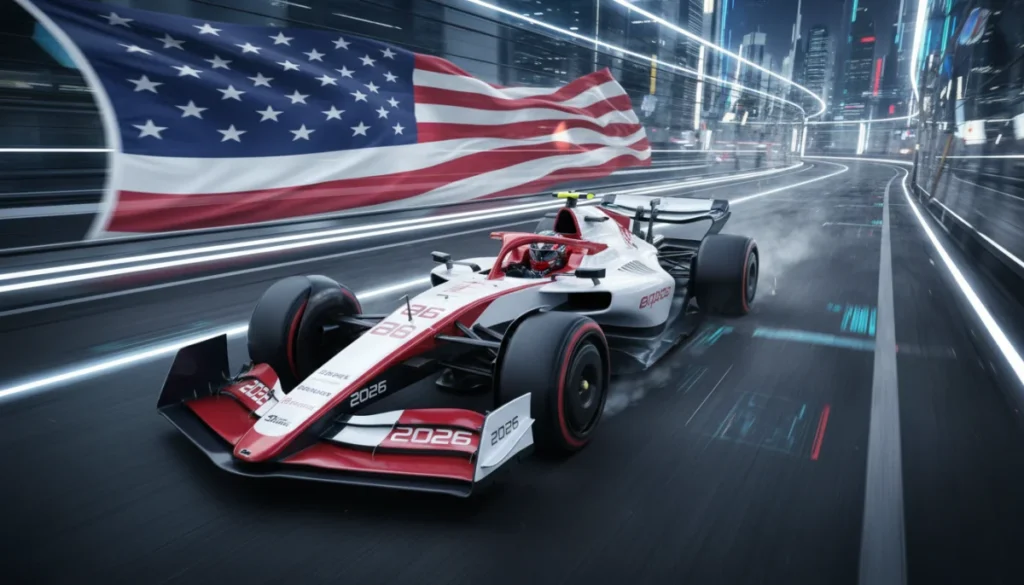
The significant surge in American talent aiming for breakout seasons in 2026 promises a transformative era for US motorsport and its global standing in Formula 1.
The world of Formula 1 is constantly evolving, a thrilling spectacle of speed, strategy, and sheer will. As we look towards 2026, there’s an undeniable buzz surrounding the rise of American F1 talent, with several promising drivers poised to make a significant impact. This isn’t just about individual success; it signifies a profound shift for US motorsport, potentially ushering in an unprecedented era of American representation and competitiveness on the global stage.
The Shifting Landscape of Formula 1 and American Involvement
Formula 1 has historically been a European-dominated sport, but recent years have witnessed a dramatic increase in its popularity across the United States. This surge isn’t just about viewership; it’s translating into a renewed focus on nurturing homegrown talent, creating a fertile ground for American drivers to ascend through the ranks. The expanded F1 calendar, with multiple races in the US, has further fueled this interest, making the sport more accessible and aspirational for young American racers.
The investment in junior categories and the establishment of dedicated academies are crucial factors contributing to this growth. These initiatives provide the necessary infrastructure and expertise to develop drivers from karting all the way to single-seater championships. The pathway to Formula 1 is notoriously difficult, requiring immense dedication, financial backing, and raw talent. However, with increased focus and resources, American drivers are finding more viable routes to the pinnacle of motorsport.
Increased Investment and Development Programs
- Financial backing: More US-based sponsors and investors are recognizing the potential in F1, channeling funds into young American drivers.
- Driver academies: Teams and independent organizations are establishing sophisticated programs to scout and train talent from an early age.
- Esports integration: Virtual racing platforms are serving as critical scouting grounds, identifying natural talent and honing race craft.
The confluence of these factors suggests that 2026 could be a landmark year. The new technical regulations expected for that season offer a reset button, potentially leveling the playing field and creating opportunities for new teams and, crucially, new drivers to shine. This presents a unique window for well-prepared American talent to seize their moment.
Driver 1: Logan Sargeant’s Continued Evolution and Potential
Logan Sargeant has already made his mark in Formula 1, breaking a long drought for American drivers on the grid. While his rookie season presented its challenges, it also offered invaluable experience and glimpses of his underlying speed and determination. For 2026, with a few more seasons under his belt, Sargeant is positioned to be a more formidable competitor, ready to capitalize on his learnings and demonstrate his true potential.
His journey through the junior categories, including a strong showing in Formula 2, showcased his ability to adapt and perform under pressure. Formula 1 is a different beast, demanding consistent performance and mental fortitude. Sargeant’s continued presence on the grid allows him to build relationships with his team, understand the nuances of F1 machinery, and refine his race craft against the world’s best. The 2026 regulations could play directly into his hands if his team develops a competitive car.
Key Strengths and Areas for Growth
- Raw speed: Demonstrated flashes of pace, especially in qualifying sessions.
- Technical feedback: Gaining experience in providing valuable input for car development.
- Consistency: Continued improvement in race management and avoiding errors will be crucial for sustained success.
Sargeant’s development is being closely watched by American fans and the wider F1 community. His ability to translate his junior category success into consistent F1 points finishes will be the ultimate test. With the right car and continued personal growth, he could very well be one of the American drivers enjoying a breakout season in 2026, solidifying his place as a long-term F1 contender.
Driver 2: The Rising Star – Oliver Bearman’s American Connection
While Oliver Bearman is British, his significant ties to the American motorsport scene through Ferrari Driver Academy and his impressive performances in junior categories, particularly his F1 debut, make him an honorary mention in the context of American F1 talent. His rapid ascent and the strong support he garners from US-based motorsport enthusiasts cannot be overlooked. Bearman has consistently shown exceptional talent, maturity, and a natural racing instinct that belies his young age.
His standout performance in his F1 debut, stepping in at short notice and scoring points, immediately put him on the radar as a future star. This kind of composure and immediate impact is rare and speaks volumes about his potential. With Ferrari’s backing and the possibility of a full-time seat in 2026, Bearman could very well be a key figure in the next generation of F1 drivers, admired by American fans for his connection to the US scene and his undeniable skill.
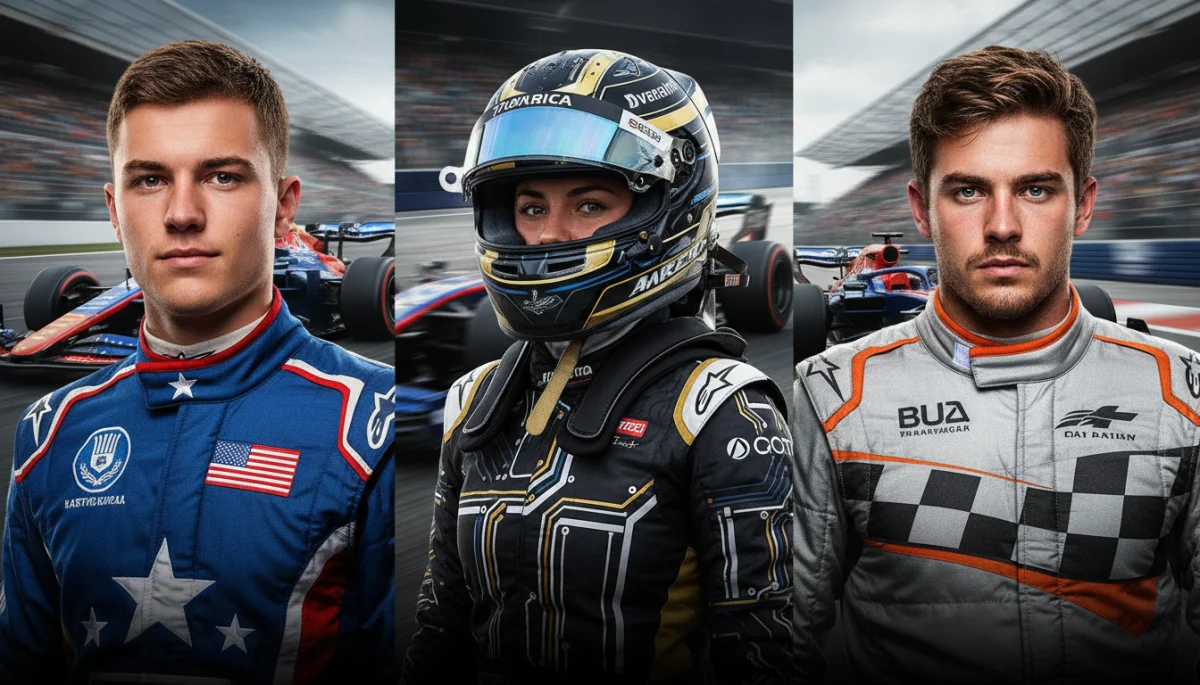
His aggressive yet controlled driving style, combined with his ability to quickly extract performance from a new car, makes him an exciting prospect. The anticipation around his full-time F1 debut is palpable, and 2026, with its new regulations, could be the perfect storm for him to establish himself as a front-runner. His potential impact on the American F1 narrative, even as a non-American, would be significant due to the increasing global nature of the sport and the cross-cultural appeal of talent.
Driver 3: Pato O’Ward’s F1 Aspirations and Crossover Appeal
Pato O’Ward, a fan favorite from the NTT IndyCar Series, represents another compelling narrative for American F1 talent. His consistent performance in IndyCar, combined with his charismatic personality and clear desire to reach Formula 1, makes him a prime candidate for a breakout season if given the opportunity. O’Ward has already participated in F1 test sessions with McLaren, demonstrating his adaptability to F1 machinery and his speed.
His journey highlights the potential for crossover talent from other major racing series, particularly those with similar high-downforce, open-wheel characteristics. O’Ward’s aggressive driving style and ability to overtake would undoubtedly make him an exciting addition to the F1 grid. The challenge for O’Ward lies in securing a full-time seat, a hurdle many talented drivers face due to the limited number of positions available.
What O’Ward Brings to the F1 Table
- Race craft: Proven ability to battle wheel-to-wheel and execute daring overtakes.
- Fan engagement: His engaging personality and strong social media presence resonate with a broad audience.
- Adaptability: Demonstrated quick learning curve in F1 test sessions.
The growing interest in F1 in the US could create the commercial imperative for a team to bring in a popular American driver like O’Ward. If he can secure a seat for 2026, the combination of new regulations and his proven talent could see him quickly become a competitive force, further amplifying the impact of American drivers in Formula 1.
The Broader Impact on US Motorsport
The success of American drivers in Formula 1 has a ripple effect that extends far beyond the F1 paddock. It inspires a new generation of racers, increases grassroots participation, and elevates the profile of US motorsport as a whole. More American presence on the F1 grid translates into greater media attention, sponsorship opportunities, and ultimately, a stronger foundation for the sport within the United States.
This increased visibility can also lead to more investment in racing infrastructure, from karting tracks to advanced simulator facilities. It fosters a culture of excellence and provides clearer pathways for aspiring drivers to pursue their dreams. The economic impact is also significant, with F1 events attracting tourism and generating revenue for local economies. The rise of American F1 talent is not just a sporting story; it’s an economic and cultural phenomenon.
Key Benefits for US Motorsport
- Inspiration for youth: Young Americans see a clearer path to the top tier of racing.
- Increased investment: More funds flow into development programs and racing facilities.
- Global recognition: US motorsport gains greater respect and visibility on the international stage.
Ultimately, a strong American contingent in Formula 1 strengthens the sport’s global appeal and ensures its continued growth. The excitement generated by American drivers competing at the highest level will undoubtedly draw more fans, sponsors, and talent, creating a virtuous cycle that benefits everyone involved in US motorsport.
Challenges and Opportunities for American Drivers in F1
While the future looks bright, American drivers still face significant challenges in breaking into and succeeding in Formula 1. The sheer competitiveness of the sport means that talent alone is often not enough; financial backing, political connections, and being in the right place at the right time are also critical factors. Securing a seat requires navigating a complex ecosystem of team affiliations, sponsor demands, and driver market dynamics.
Furthermore, adapting to the unique demands of Formula 1 cars and circuits, which are often very different from what drivers experience in junior categories or other series, requires a steep learning curve. The mental pressure is immense, and drivers must possess incredible resilience and determination to overcome setbacks and perform consistently at the elite level. The opportunities, however, are equally compelling.
The growing number of F1 races in the US, combined with the increasing number of American teams or teams with strong American ties, such as Haas F1 Team and the potential entry of Andretti Global, creates more potential pathways. These developments could lead to a greater emphasis on nurturing and promoting American talent, providing dedicated development programs, and offering more opportunities for test and reserve driver roles.
Overcoming Hurdles and Maximizing Potential
- Financial support: Securing long-term sponsorship is vital for progression.
- Team affiliations: Aligning with F1 junior programs early on can provide a direct route.
- Mental resilience: Developing the psychological strength to handle constant pressure and scrutiny.
The landscape is undeniably more favorable for American drivers now than it has been in decades. With sustained effort, strategic partnerships, and a bit of luck, the challenges can be overcome, paving the way for a golden era of American F1 talent. The stage is set for these drivers to not only participate but to genuinely contend for victories and championships in the years to come, especially as the 2026 regulations offer a fresh start.
| Key Aspect | Brief Description |
|---|---|
| American F1 Talent Surge | Increased US interest and investment fueling a new generation of American drivers in Formula 1. |
| 2026 Season Significance | New technical regulations offer a potential reset, creating opportunities for new drivers and teams. |
| Impact on US Motorsport | Success of American drivers inspires youth, attracts investment, and boosts global recognition. |
| Key Driver Prospects | Logan Sargeant, Oliver Bearman (US ties), and Pato O’Ward are poised for potentially breakout seasons. |
Frequently Asked Questions About American F1 Talent
The increasing popularity of Formula 1 in the United States, coupled with significant investments in junior development programs and greater accessibility to the sport, has created a more viable pathway for American drivers to pursue F1 careers. This cultural and infrastructural shift is fostering new talent.
The new technical regulations for 2026 are expected to introduce a significant overhaul of car design and power units. This reset could level the playing field, creating new opportunities for teams and, by extension, for talented drivers to make an impact, potentially favoring those who adapt quickly.
The addition of multiple Grand Prix events in the United States has dramatically increased F1’s visibility and fan engagement. This exposure inspires more young Americans to get involved in motorsport, fosters local sponsorship, and creates a stronger connection between the US and the global F1 ecosystem.
Yes, financial backing remains a critical factor. Motorsport, especially F1, is incredibly expensive. While talent is paramount, securing substantial sponsorship and investment is often necessary to fund progression through junior categories and ultimately secure a coveted F1 seat, even for the most promising drivers.
A stronger American presence in F1 elevates the entire US motorsport landscape. It inspires a new generation of fans and participants, attracts more investment into grassroots racing and infrastructure, and enhances the global credibility and recognition of American racing talent and events.
Conclusion
The future of American motorsport in Formula 1 is brighter than it has been in decades. The convergence of increased F1 popularity in the US, dedicated driver development programs, and the strategic timing of the 2026 regulation changes creates a unique environment for American talent to flourish. Drivers like Logan Sargeant, along with exciting prospects like Oliver Bearman and Pato O’Ward, represent the vanguard of this exciting new era. Their potential breakout seasons in 2026 could not only reshape their individual careers but also fundamentally alter the perception and presence of the United States in the elite world of Formula 1, fostering a lasting legacy for US motorsport on the global stage. The journey will undoubtedly be challenging, but the stage is set for a thrilling chapter in American racing history.
