2026 Trucking Regulations Outlook: What Drivers Need to Know
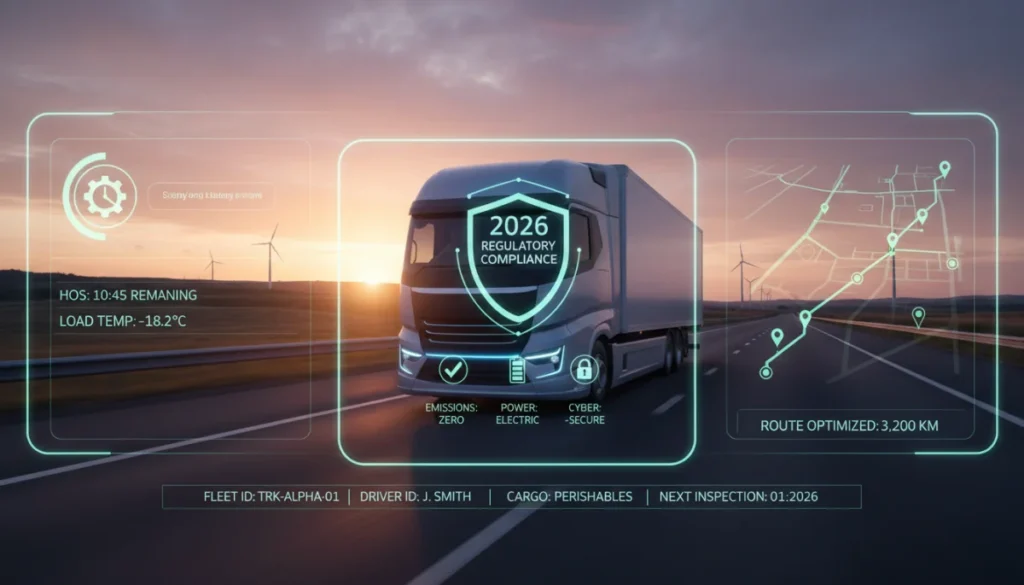
The 2026 trucking regulations outlook anticipates significant shifts in ELD enforcement, environmental compliance, safety mandates, and driver compensation, directly impacting operational costs and daily routines for carriers and independent drivers across the United States.
As we approach 2026, the landscape of the American trucking industry is poised for significant regulatory shifts. Understanding the 2026 outlook for trucking regulations is crucial for every driver, fleet manager, and logistics professional to ensure compliance and maintain operational efficiency. What changes are on the horizon, and how will they shape the daily realities of life on the road?
evolving electronic logging device (ELD) mandates
The implementation of Electronic Logging Devices (ELDs) has fundamentally transformed hours-of-service (HOS) compliance. As we look towards 2026, the focus is shifting from initial adoption to enhanced enforcement and potential refinements of the existing rules. Regulators are keen on closing loopholes and ensuring a more consistent application of the law across all carriers, regardless of size.
This evolving landscape means that while the core requirements for ELDs remain, there will be greater scrutiny on data accuracy and integrity. Drivers and carriers should anticipate more frequent and thorough roadside inspections concerning ELD data, along with increased penalties for non-compliance. The aim is to further reduce driver fatigue and improve overall road safety.
advanced ELD features and data analytics
Beyond basic HOS recording, ELD technology continues to advance. Newer systems offer integrated features that can assist drivers with route optimization, predictive maintenance, and even real-time alerts for potential HOS violations. These advancements are not just about compliance; they are about leveraging technology to create a safer and more efficient trucking environment.
- Enhanced Data Security: Expect stricter requirements for ELD data encryption and protection against tampering.
- Interoperability Standards: Efforts may increase to standardize data exchange formats between different ELD providers and regulatory bodies.
- Driver Training: Renewed emphasis on comprehensive training for drivers regarding advanced ELD functionalities and data interpretation.
- Fleet Management Integration: ELDs are becoming more integrated with broader fleet management systems, offering a holistic view of operations.
The continuous structure of ELD regulations signifies an industry moving towards greater transparency and accountability. Carriers that embrace these technological advancements will not only stay compliant but also gain a competitive edge through improved operational insights.
stricter emissions standards and environmental compliance
Environmental regulations are becoming increasingly stringent, and the trucking industry is no exception. For 2026, expect a concentrated effort from environmental agencies to reduce greenhouse gas emissions and improve air quality, particularly in urban areas. These regulations will have a profound impact on vehicle manufacturing, fuel types, and operational practices.
New emission standards will likely push manufacturers to accelerate the development and adoption of cleaner engine technologies, including electric and hydrogen-powered trucks. For existing fleets, this could mean significant investments in retrofitting or upgrading vehicles to meet the new benchmarks. The goal is to align the trucking sector with broader national environmental objectives.
the push for zero-emission vehicles (ZEVs)
The momentum behind Zero-Emission Vehicles (ZEVs) in trucking is undeniable. States like California are leading the charge with aggressive mandates for ZEV adoption, and federal agencies are expected to follow suit with incentives and regulations that encourage the transition. This will necessitate substantial infrastructure development for charging and refueling.
- Increased ZEV Mandates: More states are likely to introduce or strengthen ZEV sales and fleet requirements.
- Charging Infrastructure Investment: Government and private sector funding will be crucial for expanding EV charging and hydrogen fueling stations.
- Incentives and Subsidies: Expect federal and state programs to offer financial aid for carriers investing in ZEVs.
- Pilot Programs: Continued expansion of pilot programs testing electric and hydrogen trucks in various operational scenarios.
Navigating these environmental regulations will require proactive planning and investment. Carriers that begin to transition their fleets now will be better positioned to meet the 2026 standards and benefit from potential cost savings and public perception improvements in the long run.
enhanced safety protocols and driver training
Road safety remains a paramount concern, and 2026 will bring renewed emphasis on strengthening safety protocols and improving driver training. The Federal Motor Carrier Safety Administration (FMCSA) is continually evaluating accident data and industry best practices to identify areas for improvement. These efforts aim to reduce collisions, injuries, and fatalities involving commercial motor vehicles.
Expect updates to existing safety regulations, potentially including revised rules for distracted driving, speed limiters, and advanced driver assistance systems (ADAS). There will also be a focus on the human element, with initiatives aimed at improving driver health, wellness, and continuous professional development.
mandates for advanced driver assistance systems (ADAS)
ADAS technologies, such as automatic emergency braking, lane keeping assist, and blind-spot monitoring, are becoming more prevalent. It is anticipated that 2026 regulations will increasingly mandate the installation and use of these systems in new commercial vehicles, and potentially incentivize their adoption in existing fleets. These systems are proven to significantly reduce accident rates.
- Required ADAS Features: New trucks may be required to have a minimum set of ADAS technologies.
- Driver Education: Comprehensive training on how to effectively use and understand ADAS features will be vital.
- Performance Standards: Development of performance standards for ADAS to ensure their effectiveness and reliability.
- Data Collection: Increased collection of ADAS performance data to further refine safety regulations.
The integration of advanced safety technologies and continuous driver education will be cornerstones of the 2026 regulatory environment, fostering a culture of safety that benefits everyone on the road.
driver compensation and welfare initiatives
The trucking industry faces persistent challenges with driver retention and recruitment. Recognizing the critical role drivers play, 2026 regulations are expected to include initiatives aimed at improving driver compensation, working conditions, and overall welfare. These measures are designed to make trucking a more attractive and sustainable career choice.
Discussions around fair pay models, detention time compensation, and access to amenities on the road are gaining traction. Regulators are exploring ways to ensure drivers are adequately compensated for their time and effort, addressing long-standing concerns about economic pressures that can lead to fatigue and stress.
addressing detention time and pay transparency
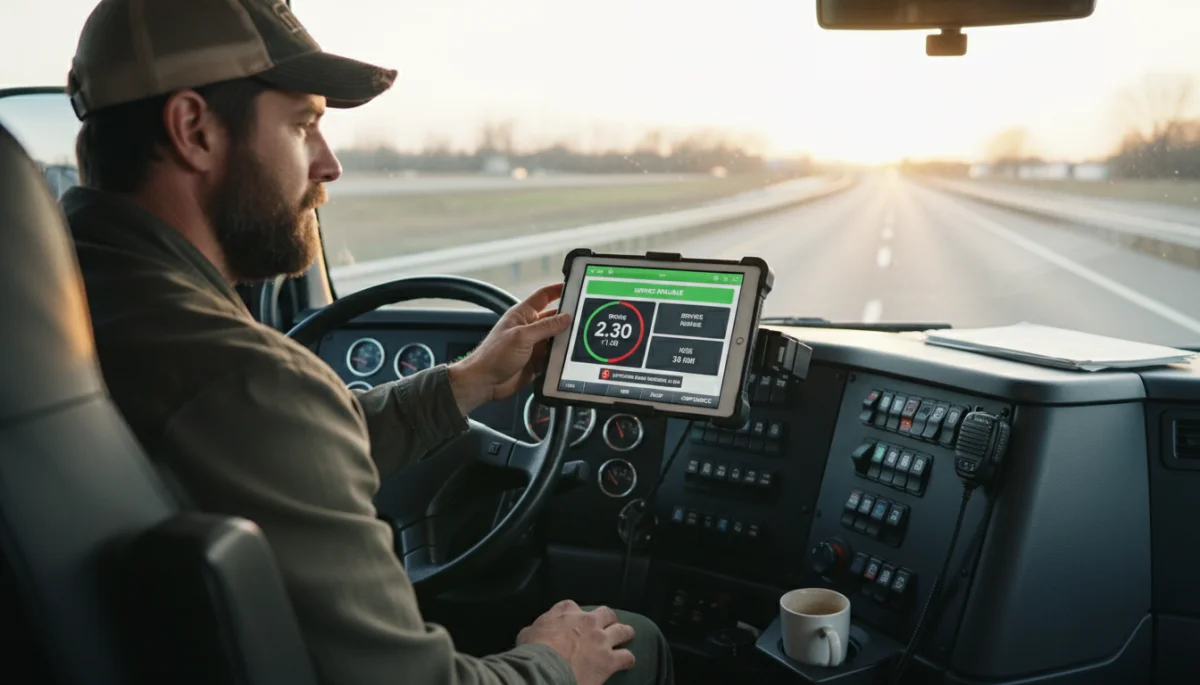
Detention time, where drivers wait unpaid at loading docks, is a major pain point. Expect potential regulations or industry guidelines in 2026 that address compensation for detention time, aiming to incentivize shippers and receivers to expedite loading and unloading processes. Additionally, there may be a push for greater transparency in pay structures.
- Detention Pay Mandates: Possible federal or state mandates for minimum detention pay after a certain waiting period.
- Pay Transparency: Requirements for clearer communication of pay rates, accessorial charges, and bonus structures.
- Improved Facilities: Initiatives to encourage better rest stops and amenities for drivers on long-haul routes.
- Health and Wellness Programs: Support for programs promoting driver physical and mental well-being.
These initiatives underscore a growing recognition of the need to support the professional truck driver, ensuring that the industry remains viable and attractive for future generations.
infrastructure and technology integration
The efficiency and safety of trucking are intrinsically linked to the quality of infrastructure and the seamless integration of technology. For 2026, there’s a strong likelihood of increased investment in infrastructure projects and regulatory frameworks that facilitate the adoption of smart road technologies. This includes everything from improved road surfaces to advanced communication systems.
The aim is to create a more connected and intelligent transportation network. This will not only improve freight movement but also enhance safety by providing drivers with real-time information about road conditions, traffic, and potential hazards. The trucking industry stands to benefit significantly from a modernized infrastructure.
the rise of intelligent transportation systems (ITS)
Intelligent Transportation Systems (ITS) leverage communication and information technologies to improve transportation safety and mobility. As we approach 2026, expect greater emphasis on the deployment of ITS components that directly benefit commercial vehicles, such as smart traffic signals, vehicle-to-infrastructure (V2I) communication, and advanced navigation tools.
- V2I Communication Standards: Development of standards for trucks to communicate with road infrastructure for real-time data exchange.
- Digital Freight Matching: Increased use of platforms that efficiently match freight with available capacity, reducing empty miles.
- Automated Inspection Technologies: Deployment of technologies that can perform quick, non-intrusive vehicle inspections.
- Cybersecurity Protocols: Enhanced cybersecurity measures to protect connected vehicle systems and data.
The synergy between robust infrastructure and advanced technology will be critical in shaping the future of trucking, making operations smoother, safer, and more predictable.
economic impacts and compliance costs
Every regulatory change comes with economic implications. The 2026 outlook for trucking regulations will undoubtedly introduce new compliance costs for carriers, particularly small and medium-sized businesses. Understanding these potential costs and planning for them is essential for maintaining financial stability in a highly competitive market.
These costs can stem from investments in new equipment, technology upgrades, enhanced training programs, and administrative overheads for reporting and compliance. While the long-term benefits of safety and efficiency are clear, the immediate financial burden can be substantial, requiring careful budgeting and strategic decision-making.
navigating the financial landscape of new regulations
Carriers will need to carefully assess the financial impact of upcoming regulations. This includes analyzing the cost-benefit ratio of new technologies, exploring available government incentives, and potentially adjusting freight rates to absorb increased operational expenses. Proactive engagement with regulatory bodies and industry associations can also help shape future policies.
- Budgetary Planning: Allocate resources for technology upgrades, training, and potential fines.
- Government Incentives: Research and apply for federal and state grants or tax credits for compliance.
- Operational Adjustments: Optimize routes, improve fuel efficiency, and streamline processes to mitigate costs.
- Industry Advocacy: Participate in industry groups to voice concerns and influence policy discussions.
Ultimately, successful navigation of the 2026 regulatory environment will depend on a combination of strategic planning, technological adoption, and a commitment to continuous improvement, ensuring the trucking industry continues to drive the American economy forward.
| Key Point | Brief Description |
|---|---|
| ELD Enforcement | Increased scrutiny on data accuracy and integrity, with enhanced roadside inspections. |
| Emissions Standards | Stricter rules pushing for cleaner engine technologies and ZEV adoption. |
| Safety Protocols | Emphasis on ADAS mandates, continuous driver training, and fatigue reduction. |
| Driver Welfare | Initiatives to improve compensation, address detention time, and enhance working conditions. |
frequently asked questions about 2026 trucking regulations
For 2026, ELD regulations are expected to focus on enhanced enforcement and data integrity. This means more rigorous roadside inspections and a push for greater accuracy in hours-of-service logging. The aim is to close potential loopholes and ensure consistent application of rules across the industry, promoting fairer competition and improved safety for all drivers.
Environmental regulations in 2026 will likely include stricter emissions standards, accelerating the shift towards cleaner technologies like electric and hydrogen trucks. Fleets may face mandates for zero-emission vehicle adoption, requiring significant investment in new equipment and charging infrastructure. Government incentives are anticipated to support this transition, reducing the financial burden for carriers.
Yes, new safety mandates for 2026 are expected to emphasize advanced driver assistance systems (ADAS) in commercial vehicles. This could include requirements for automatic emergency braking and lane-keeping assist. Additionally, there will be continued focus on comprehensive driver training programs to ensure proper utilization of these technologies and to further reduce accident risks on the roads.
Initiatives to improve driver welfare in 2026 include addressing detention time compensation and promoting greater pay transparency. Regulators are exploring ways to ensure drivers are fairly compensated for all their working hours, including waiting times at loading docks. These measures aim to enhance job satisfaction, attract new talent, and improve overall driver retention within the industry.
Infrastructure developments in 2026 will focus on integrating advanced technologies into road networks, such as Intelligent Transportation Systems (ITS). This includes smart traffic signals and vehicle-to-infrastructure communication, which will provide real-time information to drivers. These improvements are designed to enhance traffic flow, improve safety, and create a more efficient and connected transportation system for commercial vehicles.
conclusion
The 2026 outlook for trucking regulations presents a complex yet pivotal period for the industry. From heightened ELD enforcement and stringent environmental mandates to enhanced safety protocols and driver welfare initiatives, the changes ahead are designed to foster a safer, more efficient, and sustainable trucking environment. While these regulations will undoubtedly introduce new challenges and compliance costs, they also present opportunities for innovation and growth. Proactive engagement with these evolving standards will be crucial for carriers and drivers alike to thrive in the dynamic landscape of American trucking, ensuring continued service to the nation’s economy.
