Maximizing HOS Compliance in 2026: Digital Logbook Strategies
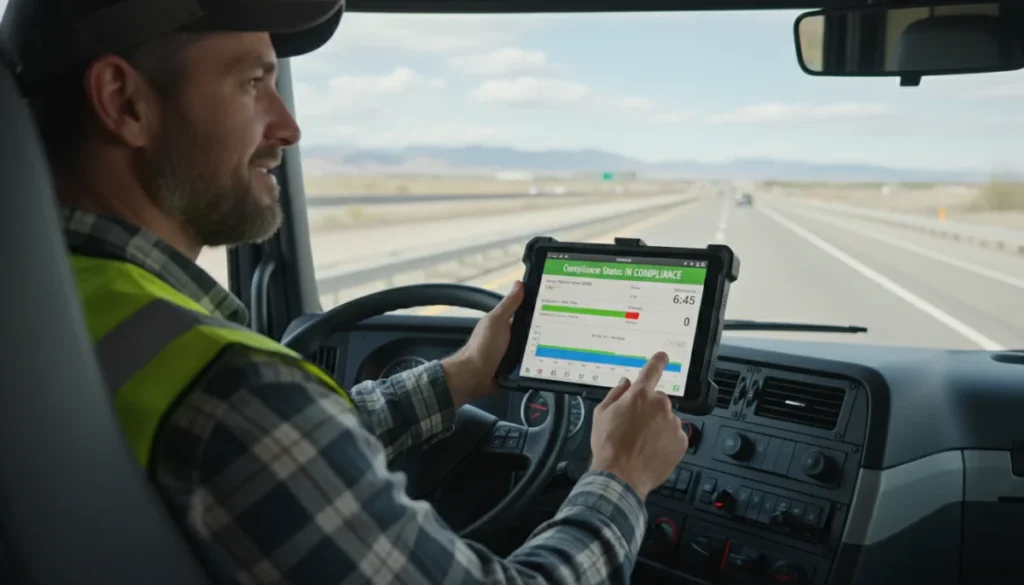
Maximizing HOS compliance in 2026 is critical for trucking operations, necessitating the implementation of advanced digital logbook strategies to mitigate the risk of fines exceeding $1,200 and ensure operational continuity.
As the trucking industry evolves, so do the regulations governing hours of service (HOS). For 2026, understanding and adapting to these changes is paramount for every fleet manager and independent driver. Maximizing HOS compliance in 2026 isn’t just about avoiding penalties; it’s about fostering a culture of safety, efficiency, and operational excellence. Digital logbooks, specifically Electronic Logging Devices (ELDs), are at the heart of this compliance, offering sophisticated tools that go far beyond simple record-keeping. This article delves into three crucial digital logbook strategies that will help you navigate the complex landscape of HOS regulations, safeguarding your operations from fines that can easily exceed $1,200 per violation.
Understanding the evolving HOS landscape for 2026
The regulatory environment for Hours of Service (HOS) is dynamic, with continuous updates aimed at enhancing road safety and driver well-being. For 2026, while the core principles of HOS rules remain, there’s an increased emphasis on the accuracy, integrity, and real-time accessibility of driver logs. This shift necessitates a deeper understanding of how digital logbooks not only record data but also interpret and present it in a compliant manner. Staying informed about potential regulatory adjustments and how they impact ELD functionality is the first step towards robust compliance.
Compliance in the trucking industry is a multi-faceted challenge. It involves not just meeting current standards but also anticipating future changes. The Federal Motor Carrier Safety Administration (FMCSA) frequently reviews and updates its guidelines, and these changes can have significant implications for how fleets manage their drivers’ hours. A proactive approach to understanding these potential shifts is essential for long-term success and avoiding costly disruptions.
The foundation of ELD mandates
Electronic Logging Devices (ELDs) have been a cornerstone of HOS compliance since their widespread mandate. They automatically record driving time, making it harder for drivers to violate HOS rules inadvertently or intentionally. However, the technology is only as good as its implementation and the understanding of its users.
- Automated Recording: ELDs automatically capture driving time, engine hours, vehicle movement, and location data.
- Data Accuracy: Reduces manual errors and falsification of records.
- Real-Time Monitoring: Allows fleet managers to monitor driver status in real-time, facilitating proactive intervention.
- Inspection Readiness: Simplifies roadside inspections by providing easy access to compliant log data.
The core benefit of ELDs lies in their ability to provide an irrefutable record of a driver’s hours. This transparency is crucial during audits and roadside inspections. Fleet operators must ensure their chosen ELD solution is certified by the FMCSA and regularly updated to meet evolving technical specifications and regulatory requirements. Failure to do so can lead to citations and significant financial penalties, underscoring the importance of selecting a reliable and compliant system.
Ultimately, a thorough understanding of the HOS landscape for 2026 involves not just knowing the rules, but also leveraging technology to enforce them effectively and efficiently. This foundational knowledge empowers fleets to make informed decisions regarding their compliance strategies, setting the stage for smoother operations and reduced risk.
Strategy 1: Implementing advanced ELD features for proactive compliance
Beyond basic logging, modern ELDs offer a suite of advanced features designed to enhance compliance and operational efficiency. These features move beyond mere data recording, providing analytical tools and alerts that enable proactive management of driver hours. Leveraging these advanced functionalities is a critical strategy for maximizing HOS compliance in 2026 and mitigating the risk of fines.
Simply having an ELD is no longer enough; the competitive landscape and the increasing scrutiny from regulatory bodies demand that fleets utilize the full potential of their digital logbook solutions. This means exploring features that offer predictive analytics, real-time alerts, and integration with other fleet management systems.
Predictive analytics and real-time alerts
One of the most powerful advanced features is predictive analytics. These systems can analyze current driving patterns and remaining HOS to forecast potential violations before they occur. This allows dispatchers and drivers to adjust routes or schedules proactively, preventing costly breaches.
- Violation Prediction: Alerts drivers and managers to impending HOS violations based on current activity.
- Route Optimization: Suggests adjustments to routes or breaks to stay within compliance limits.
- Driver Coaching: Provides real-time feedback to drivers on their HOS status, encouraging compliant behavior.
- Automated Notifications: Sends immediate alerts for critical HOS events, like nearing the end of a driving window.
Real-time alerts are equally vital. These notifications can warn drivers when they are approaching their driving limit, reminding them to take a break or find a safe stopping point. For fleet managers, these alerts provide an immediate overview of potential issues across their entire fleet, allowing for swift intervention. This proactive approach significantly reduces the likelihood of roadside citations, which often carry fines exceeding $1,200.
Furthermore, advanced ELDs can integrate with GPS tracking and dispatch software, creating a comprehensive platform for managing both compliance and logistics. This integration streamlines operations, reduces administrative burden, and ensures that HOS data is always consistent across all systems. By embracing these advanced features, fleets can transform their compliance efforts from reactive to proactive, ensuring greater safety and regulatory adherence.
Strategy 2: Comprehensive driver training and continuous education
Even the most sophisticated digital logbook system is ineffective without well-trained drivers and support staff. Comprehensive training and continuous education are indispensable for maximizing HOS compliance in 2026. This strategy ensures that everyone involved understands not only how to operate the ELD but also the nuances of HOS rules and their practical application.
Driver education should not be a one-time event. The dynamic nature of regulations and technology necessitates ongoing training to keep skills sharp and knowledge up-to-date. This commitment to continuous learning fosters a culture of compliance throughout the organization, reducing the chances of inadvertent violations.
Tailored training programs
Effective training programs must be tailored to different roles within the organization, from drivers to dispatchers and safety managers. Each group has unique responsibilities regarding HOS compliance and ELD usage.
- New Driver Onboarding: Thorough ELD operation and HOS rule training for new hires.
- Refresher Courses: Regular sessions for experienced drivers on rule updates and best practices.
- Dispatcher Training: Focus on HOS planning, managing driver schedules, and interpreting ELD data.
- Roadside Inspection Drills: Practice scenarios to prepare drivers for interactions with law enforcement.
Training should cover all aspects of ELD use, including logging on/off, handling personal conveyance and yard moves, understanding duty statuses, and performing data transfers during inspections. Crucially, drivers must also be proficient in troubleshooting common ELD issues and knowing when to contact support. This practical knowledge empowers drivers to maintain accurate logs even when technical glitches occur.
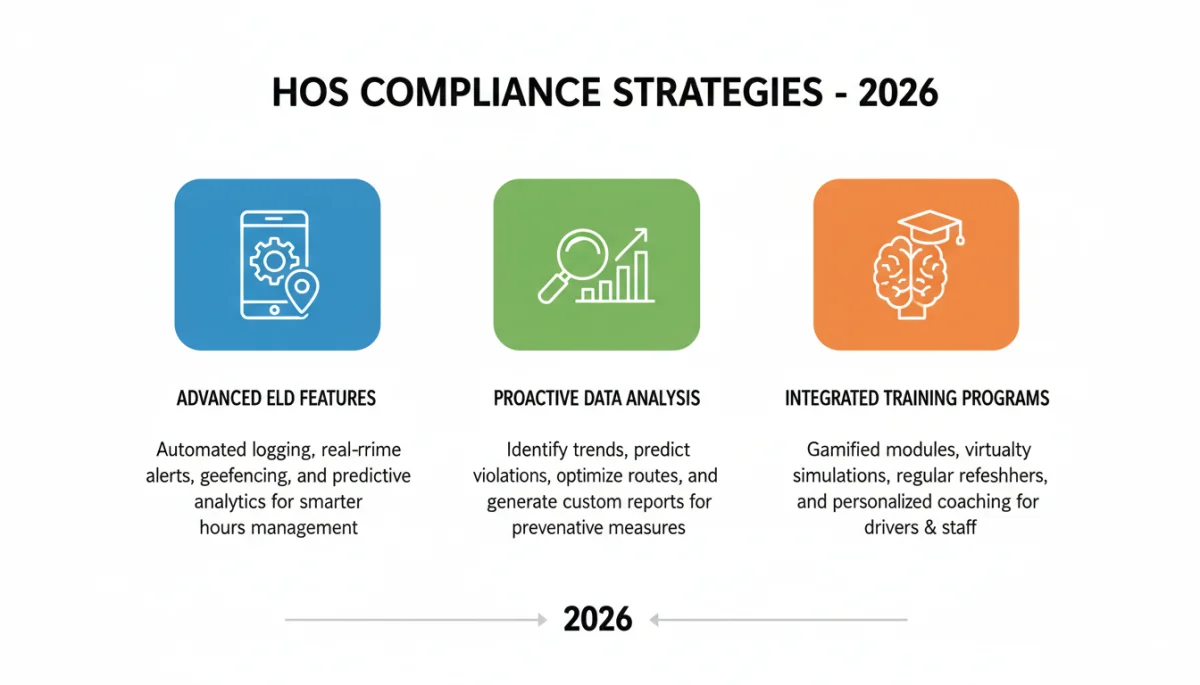
Beyond technical proficiency, education should instill a deep understanding of why HOS rules exist – primarily for safety. When drivers understand the rationale behind the regulations, they are more likely to adhere to them conscientiously. Regular communication about changes in HOS rules or ELD functionalities is also vital. This can be achieved through newsletters, dedicated training modules, or brief daily briefings. By investing in comprehensive and continuous education, fleets build a knowledgeable and compliant workforce, significantly reducing their exposure to HOS violations and associated fines.
Strategy 3: Data analysis and continuous process improvement
The vast amount of data generated by digital logbooks offers an invaluable resource for continuous improvement. By implementing robust data analysis practices, fleets can identify patterns, pinpoint areas of non-compliance, and refine operational processes. This strategic use of data is fundamental for maximizing HOS compliance in 2026 and optimizing overall fleet performance.
Data analysis goes beyond simply reviewing individual driver logs. It involves aggregating data across the entire fleet to identify systemic issues, evaluate the effectiveness of current policies, and proactively make adjustments that enhance compliance and efficiency.
Leveraging ELD data for insights
ELD data provides a rich source of information that, when properly analyzed, can reveal critical insights into driver behavior, route efficiency, and potential compliance risks. This analytical approach transforms raw data into actionable intelligence.
- Violation Hotspots: Identify common violation types or specific routes/times where violations occur more frequently.
- Driver Performance Metrics: Track individual driver compliance rates and identify those needing additional training.
- Route Efficiency Analysis: Evaluate how current routes impact HOS and explore optimization opportunities.
- Idle Time Reduction: Analyze data to reduce non-driving, non-productive time that still counts towards HOS.
Regular analysis of HOS data can help fleet managers identify recurring issues, such as frequent 30-minute break violations or drivers consistently pushing their 11-hour driving limit. Armed with this information, they can implement targeted interventions, whether it’s additional training for specific drivers or adjustments to dispatching practices. This iterative process of data collection, analysis, and adjustment is key to fostering a culture of continuous improvement.
Furthermore, integrating ELD data with other fleet management systems, such as maintenance schedules and fuel consumption tracking, can provide a holistic view of operations. This allows for more informed decision-making that balances compliance with operational demands. By committing to continuous data analysis and process improvement, fleets can not only ensure HOS compliance but also unlock significant efficiencies and cost savings, moving towards a more optimized and resilient operation.
Integrating HOS compliance into overall fleet management
True success in maximizing HOS compliance in 2026 means integrating it seamlessly into the broader framework of fleet management. Compliance should not be an isolated task but a fundamental component of every operational decision, from dispatching to maintenance. This holistic approach ensures that HOS considerations are always at the forefront, preventing conflicts and fostering a cohesive operational strategy.
When HOS compliance is viewed as an integral part of fleet management, it naturally leads to better planning, improved driver satisfaction, and enhanced safety outcomes. It moves beyond a mere regulatory burden to become a strategic advantage.
Synergies with dispatch and logistics
The most significant integration point is between HOS compliance and dispatch operations. Dispatchers play a crucial role in assigning loads and planning routes, and their decisions directly impact a driver’s ability to remain compliant.
- HOS-Aware Dispatching: Use real-time HOS data to assign loads that align with driver availability.
- Dynamic Route Planning: Adjust routes on the fly to accommodate unexpected delays without compromising HOS.
- Load Planning Optimization: Consider HOS limits when building multi-leg trips to prevent over-scheduling.
- Communication Protocols: Establish clear communication channels between drivers and dispatch for HOS updates.
By using ELD data, dispatchers can make more informed decisions, preventing situations where drivers are pressured to violate HOS rules to meet deadlines. This not only protects the company from fines but also improves driver morale and reduces fatigue-related incidents. Tools that allow for predictive HOS management within dispatch software are particularly valuable, enabling proactive adjustments before issues arise.
Moreover, integrating HOS compliance with maintenance schedules can ensure that vehicles are serviced during a driver’s off-duty hours, minimizing disruption to their available driving time. This thoughtful planning reduces downtime and keeps drivers on the road when they are legally able to drive. A fully integrated approach to HOS compliance elevates it from a mere checklist item to a central pillar of efficient, safe, and profitable fleet operations, solidifying its place in the modern trucking industry.
Future-proofing your HOS compliance strategy
As the regulatory landscape continues to evolve, future-proofing your HOS compliance strategy is essential for sustained success. For maximizing HOS compliance in 2026 and beyond, fleets must adopt a forward-thinking mindset, anticipating changes and investing in flexible solutions that can adapt to new requirements. This involves staying abreast of technological advancements and potential legislative shifts.
The trucking industry is constantly innovating, and compliance tools are no exception. Embracing new features, understanding emerging trends, and preparing for future mandates will ensure your fleet remains competitive and compliant in the long run.
Embracing emerging technologies and best practices
Future-proofing involves more than just keeping current software updated; it means actively seeking out and evaluating new technologies that can further enhance compliance and efficiency. This includes exploring AI-driven analytics, advanced telematics, and improved driver assistance systems.
- AI-Powered Insights: Utilize artificial intelligence to detect subtle patterns in HOS data and predict complex compliance risks.
- Enhanced Telematics: Integrate ELD data with broader telematics solutions for a comprehensive view of vehicle and driver performance.
- Driver Wellness Programs: Implement programs that support driver health and reduce fatigue, directly impacting HOS adherence.
- Cloud-Based Solutions: Opt for ELD systems that leverage cloud technology for seamless updates and data accessibility.
Staying connected with industry associations and regulatory bodies is also crucial. These organizations often provide early insights into upcoming changes, allowing fleets to prepare well in advance. Participating in pilot programs for new technologies or regulatory frameworks can also offer a competitive edge and valuable experience.
Furthermore, cultivating a culture of continuous learning and adaptability within your organization will be key. Encourage feedback from drivers and staff on ELD usability and HOS challenges, using their insights to refine your strategies. By proactively investing in technology, education, and adaptability, fleets can build a resilient HOS compliance strategy that stands the test of time, ensuring long-term operational integrity and protecting against future fines.
| Key Strategy | Brief Description |
|---|---|
| Advanced ELD Features | Leverage predictive analytics and real-time alerts to prevent HOS violations proactively. |
| Comprehensive Training | Ensure drivers and staff are continuously educated on HOS rules and ELD operation. |
| Data Analysis & Improvement | Utilize ELD data to identify compliance issues and refine operational processes. |
| Integration with Fleet Management | Embed HOS compliance into dispatch and logistics for a holistic approach. |
Frequently asked questions about HOS compliance in 2026
The primary HOS rules for 2026 generally include the 11-hour driving limit, the 14-hour on-duty limit, the 30-minute break requirement after 8 cumulative driving hours, and the 60/70-hour limit over 7/8 consecutive days. These rules are subject to potential minor adjustments by the FMCSA.
Digital logbooks, or ELDs, help avoid fines by automatically recording driving time, providing real-time alerts for impending violations, and simplifying data retrieval during roadside inspections. Their accuracy reduces manual errors and ensures consistent adherence to HOS regulations, thus minimizing the risk of penalties.
Fines for HOS violations can vary significantly depending on the severity and jurisdiction. Minor violations might incur hundreds of dollars, while serious or repeated offenses can lead to fines exceeding $1,200 per violation, vehicle out-of-service orders, and negative impacts on a carrier’s safety rating.
Yes, comprehensive driver training is absolutely necessary. Even with advanced ELDs, drivers need to understand how to properly use the device, interpret HOS rules, and respond to alerts. Well-trained drivers are less likely to make errors, contributing significantly to overall compliance and safety.
Fleet managers can leverage ELD data to identify patterns of non-compliance, pinpoint common violation causes, and evaluate driver performance. This data allows for targeted training, optimized route planning, and adjustments to operational policies, leading to continuous improvements in HOS compliance and efficiency.
Conclusion
Maximizing HOS compliance in 2026 transcends mere adherence to rules; it embodies a strategic commitment to safety, efficiency, and operational integrity within the trucking industry. By embracing advanced digital logbook features, investing in comprehensive driver training, and meticulously analyzing HOS data for continuous improvement, fleets can proactively navigate the complexities of regulation. These three strategies, when integrated into a holistic fleet management approach, not only mitigate the risk of substantial fines exceeding $1,200 but also cultivate a safer, more productive, and resilient operational environment. Staying informed and adaptable will be key to long-term success in the evolving landscape of HOS compliance.
