ELDs: Top 3 Systems for 2026 Compliance & Features
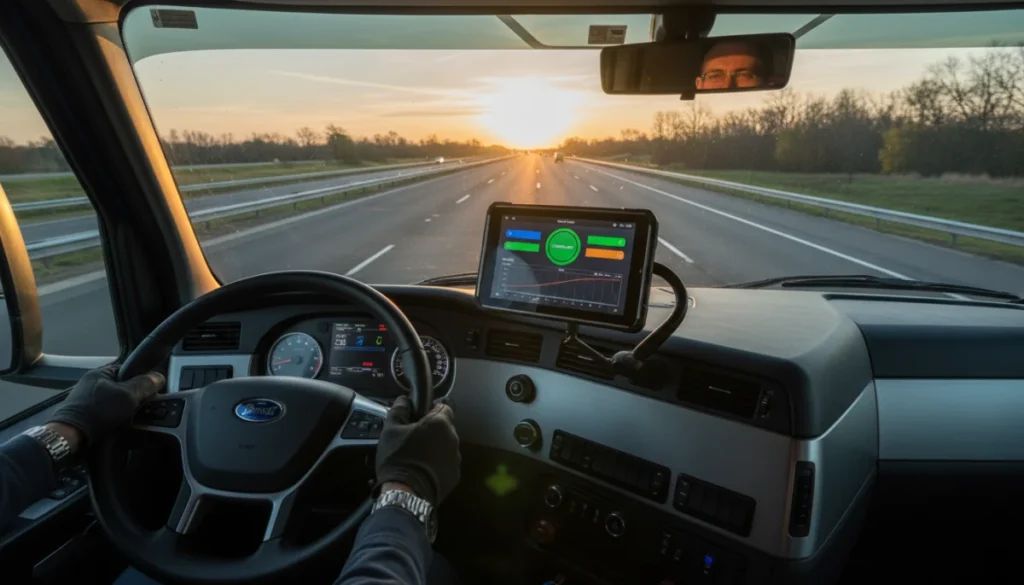
The best Electronic Logging Devices (ELDs) for 2026 compliance offer advanced features like real-time tracking, enhanced HOS management, and seamless integration, ensuring fleets meet federal mandates while optimizing operational efficiency and driver safety.
Navigating the complexities of federal regulations for commercial vehicle operations can be challenging, especially with the continuous evolution of technology and compliance standards. Understanding the most effective Electronic Logging Devices (ELDs) for 2026 compliance is not just about avoiding penalties; it’s about optimizing efficiency, enhancing safety, and future-proofing your fleet.
The evolving landscape of ELD compliance
The introduction of the ELD mandate significantly transformed the trucking industry, moving from paper logs to electronic record-keeping. As we approach 2026, the focus shifts towards more integrated and advanced systems that offer not only compliance but also substantial operational benefits. This evolution demands that fleet managers and owner-operators stay informed about the latest technologies and regulatory updates.
The initial ELD mandate aimed to improve road safety by ensuring drivers adhere to Hours of Service (HOS) regulations. Over time, the technology has matured, offering features far beyond simple logging. These advancements include real-time GPS tracking, vehicle diagnostics, fuel management, and even driver behavior monitoring. For 2026, the expectation is that these systems will become even more sophisticated, providing predictive analytics and deeper integration with other fleet management tools.
Key regulatory changes impacting ELDs
- Enhanced data security: New regulations are expected to bolster data protection for sensitive driver and vehicle information.
- Interoperability standards: Greater emphasis on ELD systems being able to communicate and share data seamlessly with other platforms.
- Advanced HOS enforcement: Stricter enforcement mechanisms and real-time monitoring capabilities to ensure absolute compliance.
Understanding these shifts is crucial for selecting an ELD system that will remain compliant and beneficial in the long term. The right ELD solution will not only meet current and future mandates but also provide actionable insights that drive business success.
The landscape of ELD compliance is dynamic, requiring continuous adaptation from all stakeholders. Choosing an ELD system that is not only compliant but also forward-thinking is essential for any fleet aiming for sustained success and operational excellence in the coming years. This proactive approach ensures that fleets are prepared for any future regulatory adjustments.
Top 3 ELD systems for 2026: an overview
As the trucking industry progresses towards 2026, selecting an ELD system that offers robust compliance and advanced features becomes paramount. We’ve identified three leading ELD systems that stand out for their reliability, innovation, and comprehensive offerings. These systems are not just about meeting the mandate; they are about providing tangible benefits to drivers and fleet managers alike.
Each of these top contenders brings unique strengths to the table, catering to different fleet sizes and operational needs. From user-friendly interfaces to sophisticated data analytics, their commitment to compliance and efficiency is evident. Evaluating these systems requires a close look at their core functionalities, scalability, and support.
System 1: Omnitracs ELD
Omnitracs has long been a powerhouse in fleet management, and their ELD solution is no exception. Known for its comprehensive suite of services, Omnitracs offers an integrated platform that extends beyond basic HOS logging. Their system provides advanced analytics, driver workflow optimization, and robust compliance reporting. It’s particularly well-suited for larger fleets that require extensive customization and integration capabilities.
- Advanced analytics: Provides deep insights into fleet performance, fuel efficiency, and driver behavior.
- Scalability: Designed to grow with your fleet, supporting thousands of vehicles and drivers.
- Integration: Seamlessly integrates with existing fleet management software and enterprise resource planning (ERP) systems.
Omnitracs ELD systems are a testament to their commitment to innovation, providing a holistic approach to fleet management that ensures compliance while driving operational improvements. Their robust platform is ideal for fleets seeking a long-term, scalable solution.
System 2: keepTruckin (now Motive) ELD
Motive, formerly known as keepTruckin, has rapidly gained popularity for its user-friendly interface and innovative AI-powered solutions. Their ELD system is highly regarded for its ease of use, making it a favorite among drivers. Motive offers not just HOS logging but also integrated dash cams, asset tracking, and a comprehensive fleet management platform that leverages artificial intelligence to predict and prevent issues.
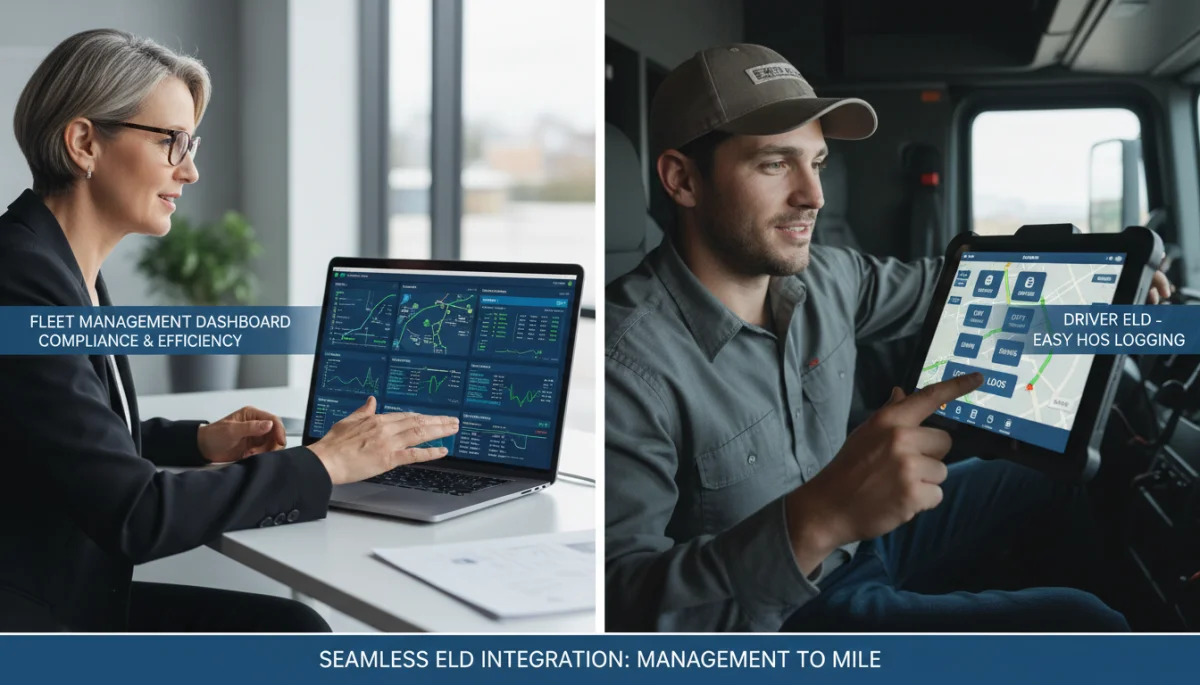
Motive’s strength lies in its ability to combine simplicity with advanced features, making complex data accessible and actionable. This balance makes it a strong contender for fleets of all sizes, especially those looking to embrace cutting-edge technology for enhanced safety and efficiency.
AI-powered features and benefits
- AI dashcams: Provides real-time alerts for unsafe driving behaviors, enhancing driver safety.
- Automated compliance: Reduces manual errors and streamlines HOS logging with smart automation.
- Integrated platform: Consolidates ELD, dashcam, GPS tracking, and asset management into one cohesive system.
Motive’s focus on AI and user experience sets it apart, offering a forward-thinking solution that not only ensures compliance but also actively contributes to a safer and more efficient trucking operation. Their continuous innovation makes them a strong choice for the future of fleet management.
System 3: Samsara ELD
Samsara has emerged as a leader in the connected operations space, offering an ELD solution that is part of a broader platform encompassing vehicle telematics, site monitoring, and equipment tracking. Their ELD system is highly advanced, providing real-time visibility into fleet operations, driver performance, and compliance status. Samsara is particularly strong in its ability to unify data from various sources, offering a holistic view of the entire operation.
Samsara’s platform is designed for businesses that require comprehensive data insights to make informed decisions. Their ELD solution integrates seamlessly with their other offerings, providing a powerful tool for optimizing efficiency, reducing costs, and ensuring regulatory adherence across diverse operational environments.
Integrated data and operational insights
- Real-time GPS tracking: Offers precise location data and historical routes for improved dispatch and delivery.
- Vehicle diagnostics: Monitors engine performance, fault codes, and maintenance needs to prevent breakdowns.
- Unified platform: Combines ELD data with asset tracking, reefer monitoring, and video telematics for complete operational oversight.
Samsara’s strength lies in its integrated approach, offering a powerful ecosystem that not only meets ELD compliance but also drives significant operational improvements through data-driven insights. It’s an excellent choice for fleets seeking a comprehensive solution for connected operations.
Key features to consider for 2026 compliance
Beyond basic HOS logging, the best ELD systems for 2026 compliance offer a suite of advanced features that contribute to overall fleet efficiency and safety. When evaluating potential ELD solutions, it’s essential to look for functionalities that provide long-term value and adapt to evolving industry standards. These features can significantly impact daily operations and compliance adherence.
A truly effective ELD system goes beyond simply recording data; it provides actionable insights and streamlines workflows. Consider how each feature integrates into your existing operations and what benefits it can bring to your drivers and administrative staff. The goal is to find a system that simplifies compliance while enhancing productivity.
Advanced HOS management and alerts
Modern ELDs should offer more than just basic HOS tracking. Look for systems that provide proactive alerts for upcoming violations, automated log auditing, and easy-to-understand dashboards that give drivers clear visibility into their available driving time. This helps prevent violations before they occur, reducing fines and improving driver well-being.
Real-time GPS tracking and geofencing
Accurate, real-time GPS tracking is invaluable for dispatch, customer service, and route optimization. Geofencing capabilities allow fleet managers to set virtual boundaries and receive alerts when vehicles enter or exit designated areas, providing enhanced security and operational control. This feature is crucial for improving delivery schedules and managing assets efficiently.
Vehicle diagnostics and maintenance scheduling
An ELD system that monitors vehicle diagnostics can proactively identify potential mechanical issues, allowing for timely maintenance and reducing unexpected breakdowns. Features like fault code reporting, engine performance monitoring, and automated service reminders contribute to a safer fleet and lower operational costs. Predictive maintenance is a significant advantage.
Considering these advanced features ensures that your chosen ELD system not only complies with 2026 regulations but also provides a significant return on investment through improved efficiency, safety, and operational insights. A comprehensive ELD solution is a strategic asset for any modern fleet.
Choosing the right ELD for your fleet
Selecting the appropriate ELD system for your fleet involves more than just comparing features; it requires a deep understanding of your operational needs, budget constraints, and future growth plans. The right choice can significantly impact your bottom line, driver satisfaction, and overall compliance posture. It’s a strategic decision that warrants careful consideration.
Start by assessing your fleet’s specific requirements. Are you a small owner-operator or a large enterprise with hundreds of vehicles? Do you prioritize ease of use, advanced analytics, or comprehensive integration? Answering these questions will help narrow down the options and focus on systems that truly align with your business objectives. The goal is to find an ELD that fits seamlessly into your workflow.
Factors to consider during selection
- Fleet size and scalability: Ensure the ELD system can accommodate your current fleet and scale as your business grows without significant overhauls.
- Ease of use for drivers: A user-friendly interface reduces training time and increases driver adoption, minimizing resistance to new technology.
- Integration capabilities: Check if the ELD can integrate with other software you use, such as dispatch, accounting, or maintenance systems.
- Customer support and training: Reliable support is crucial for troubleshooting and ensuring smooth operation, especially during implementation.
- Cost and subscription models: Evaluate the total cost of ownership, including hardware, software subscriptions, and any hidden fees.
By carefully weighing these factors, you can make an informed decision that will benefit your fleet for years to come. The ideal ELD system is one that not only meets regulatory requirements but also enhances every aspect of your trucking operations.
Future-proofing your fleet with advanced ELD technology
Investing in an advanced ELD system is not just about meeting current compliance standards; it’s about future-proofing your fleet against evolving regulations and technological advancements. The trucking industry is constantly innovating, and staying ahead of the curve can provide a significant competitive advantage. Modern ELD technology offers more than just logging hours; it provides a pathway to operational excellence.
As we move closer to 2026 and beyond, ELD systems are expected to integrate even more deeply with other smart technologies, such as autonomous driving systems, advanced driver-assistance systems (ADAS), and supply chain optimization platforms. Choosing an ELD provider with a clear roadmap for future development ensures that your investment remains relevant and valuable.
Embracing predictive analytics and AI
The next generation of ELD technology will heavily rely on predictive analytics and artificial intelligence to offer unparalleled insights. Imagine systems that can predict potential maintenance issues before they occur, optimize routes based on real-time traffic and weather, or even anticipate driver fatigue. These capabilities will transform fleet management from reactive to proactive, significantly improving safety and efficiency.
Cybersecurity and data integrity
With increased data collection comes the critical need for robust cybersecurity. Future ELD systems will feature enhanced encryption and data protection protocols to safeguard sensitive information. Ensuring data integrity is paramount for compliance and maintaining trust within the industry. Providers that prioritize cybersecurity will be essential partners.
Seamless integration with the connected ecosystem
The future of trucking is connected. Advanced ELDs will integrate seamlessly into a broader ecosystem of smart logistics, smart roads, and smart vehicles. This interconnectedness will facilitate greater collaboration, optimize resource allocation, and create a more efficient and sustainable transportation network. Choosing an ELD that supports this vision is key to long-term success.
By embracing advanced ELD technology, fleets can not only ensure compliance but also unlock new levels of efficiency, safety, and innovation. Future-proofing your fleet with a sophisticated ELD system is a strategic imperative for navigating the evolving landscape of the trucking industry and securing a competitive edge.
| Key Point | Brief Description |
|---|---|
| ELD Evolution | ELDs are moving beyond basic logging to integrated fleet management, emphasizing advanced features for 2026. |
| Top Systems | Omnitracs, Motive (keepTruckin), and Samsara lead with diverse features for compliance and efficiency. |
| Key Features | Look for advanced HOS, real-time GPS, vehicle diagnostics, and robust support for optimal choice. |
| Future-Proofing | Invest in ELDs with predictive analytics, AI, and strong cybersecurity for long-term fleet success. |
Frequently asked questions about ELDs for 2026
Upgrading ensures compliance with evolving federal mandates, reduces the risk of violations, and enhances operational efficiency through advanced features like real-time tracking, improved HOS management, and predictive maintenance. These systems also boost driver safety and streamline administrative tasks.
AI-powered ELDs, such as Motive’s, integrate dashcams that use artificial intelligence to detect and alert drivers to unsafe behaviors, like distracted driving or close following. This proactive approach helps prevent accidents, provides coaching opportunities, and ultimately creates a safer driving environment for the entire fleet.
While basic compliance is always mandatory, investing in advanced ELD features can significantly benefit small fleets by optimizing routes, reducing fuel costs, and improving driver retention. The enhanced data insights can help small businesses compete more effectively and scale operations efficiently, making the investment worthwhile.
Data integration is crucial as it allows ELD systems to communicate with other fleet management software, such as dispatch, maintenance, and accounting platforms. This creates a unified view of operations, eliminates data silos, and automates processes, leading to better decision-making, reduced manual effort, and improved overall efficiency.
To ensure future compliance, fleets should choose ELD providers known for continuous software updates, a clear commitment to regulatory adherence, and a strong track record of adapting to industry changes. Selecting a system with robust cybersecurity and a focus on scalability will also help safeguard your investment against future mandates.
Conclusion
The journey towards 2026 and beyond in the trucking industry underscores the critical importance of selecting advanced Electronic Logging Devices (ELDs) for 2026 compliance. Beyond mere regulatory adherence, the top systems like Omnitracs, Motive (keepTruckin), and Samsara offer integrated solutions that drive operational efficiency, enhance driver safety, and provide invaluable data insights. By carefully evaluating features such as advanced HOS management, real-time tracking, vehicle diagnostics, and AI capabilities, fleets can make informed decisions that future-proof their operations. Ultimately, the right ELD system is a strategic investment that supports growth, ensures compliance, and fosters a safer, more productive environment for everyone on the road.
