FMCSA Regulations 2026: Driver Compliance Guide
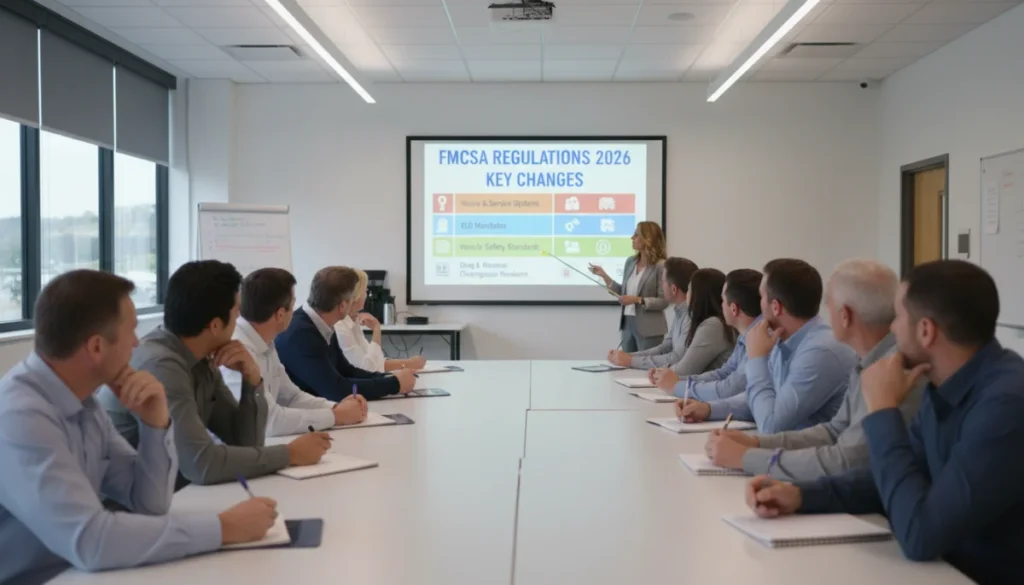
Commercial drivers in the U.S. must understand and prepare for the new FMCSA regulations set to take effect in 2026, ensuring full compliance by Q2 to avoid penalties and maintain operational integrity.
The landscape of commercial driving in the United States is continuously evolving, with safety and efficiency at its core. As we approach 2026, the Federal Motor Carrier Safety Administration (FMCSA) is introducing significant updates that will impact every commercial driver. Staying informed and preparing proactively for these new FMCSA regulations for 2026 is not just about avoiding penalties; it’s about ensuring a safer, more efficient, and compliant operation. This comprehensive guide aims to break down what you need to know to achieve compliance by Q2 2026, covering everything from hours of service to vehicle maintenance standards and technological advancements.
Understanding the Core Changes in Hours of Service (HOS)
The Hours of Service (HOS) regulations have always been a cornerstone of driver safety, designed to prevent fatigue and reduce accidents. The upcoming 2026 updates introduce several critical modifications that commercial drivers must fully grasp. These changes aim to provide greater flexibility while maintaining stringent safety standards, reflecting a more nuanced understanding of driver working conditions and rest requirements.
One primary focus of the new HOS rules is to refine the definitions of ‘on-duty’ and ‘off-duty’ time, particularly concerning non-driving tasks and breaks. The FMCSA recognizes that not all time spent at a truck stop or loading dock is equivalent to active driving, and the new regulations seek to differentiate these periods more effectively. This distinction could significantly impact how drivers manage their daily logs and overall schedules, potentially leading to more efficient use of their available hours while still prioritizing essential rest.
Key Adjustments to Daily Driving Limits
The 2026 regulations will feature specific adjustments to the daily driving limits. While the core 11-hour driving limit within a 14-hour on-duty window remains largely intact, the flexibility around these hours is being addressed. Drivers will find new provisions for:
- Expanded split-sleeper berth options to allow for more effective rest periods.
- Clarification on adverse driving conditions, providing a limited extension of the driving window.
- Updates to the 30-minute break requirement, offering more flexibility in when and how it can be taken.
These changes are not merely administrative; they are designed to empower drivers with more control over their schedules, enabling them to make safer decisions based on real-time conditions rather than rigid, one-size-fits-all rules. However, with greater flexibility comes the increased responsibility of accurate logging and understanding the nuances of each new provision.
In essence, the HOS updates for 2026 represent a significant step towards modernizing driver regulations. They aim to balance the demanding nature of commercial driving with the paramount need for safety, offering drivers more adaptable tools to manage their time effectively. Staying informed about these specific changes and how they apply to your daily operations is crucial for maintaining compliance and avoiding potential violations.
Enhanced Vehicle Maintenance and Inspection Standards
Vehicle maintenance and inspection standards are receiving a significant overhaul in the 2026 regulations, emphasizing proactive measures to ensure roadworthiness and prevent mechanical failures. The FMCSA is pushing for a more rigorous approach to vehicle upkeep, recognizing that well-maintained equipment is fundamental to preventing accidents and ensuring public safety. These new standards will place a greater onus on both drivers and carriers to adhere to stricter inspection protocols and maintenance schedules.
The focus extends beyond routine checks, delving into more detailed inspections of critical components such as braking systems, tires, lighting, and steering mechanisms. The goal is to catch potential issues before they escalate into dangerous on-road incidents. This means drivers will need to be more diligent in their pre-trip and post-trip inspections, documenting any defects thoroughly, and ensuring they are addressed promptly. Carriers, in turn, will be expected to provide the necessary resources and infrastructure for timely and effective repairs.
Mandatory Digital Inspection Reporting
A key change in this area is the push towards mandatory digital inspection reporting. While not entirely new, the 2026 regulations will likely standardize and enforce the use of electronic systems for documenting vehicle inspections. This shift offers several advantages:
- Increased accuracy and legibility of inspection reports.
- Real-time data for carriers to track vehicle health and maintenance needs.
- Improved audit trails for compliance officers during roadside inspections.
The transition to digital platforms will require drivers to become proficient with new applications and devices, ensuring all defects are logged correctly and transparently. This digital record-keeping will streamline the inspection process and provide a clearer picture of a vehicle’s maintenance history, contributing to overall road safety.
Ultimately, the enhanced vehicle maintenance and inspection standards for 2026 are about fostering a culture of proactive safety. By requiring more detailed inspections and promoting digital record-keeping, the FMCSA aims to minimize the risks associated with equipment failures, ensuring that every commercial vehicle on the road meets the highest safety benchmarks. Adherence to these new standards will be non-negotiable for all commercial drivers and their employers.
Technological Integration: ELDs, ADAS, and Beyond
The trucking industry is rapidly embracing technological advancements, and the 2026 FMCSA regulations reflect this trend by mandating and encouraging the integration of various technologies. Electronic Logging Devices (ELDs) have been a standard for some time, but the new rules will refine their usage and expand their capabilities. Beyond ELDs, the focus is shifting towards Advanced Driver-Assistance Systems (ADAS) and other innovative solutions designed to enhance safety and efficiency on the road.
The evolution of ELDs means drivers can expect more sophisticated features, potentially including real-time communication capabilities with dispatch, enhanced geofencing for improved route management, and more robust data analytics for compliance monitoring. These advancements are intended to make ELDs not just a compliance tool but also a valuable asset for operational efficiency. Drivers will need to stay updated on software updates and new functionalities to fully leverage these tools and ensure seamless compliance.
The Rise of Advanced Driver-Assistance Systems (ADAS)
ADAS technologies are becoming increasingly prevalent in commercial vehicles, and the 2026 regulations are expected to encourage, if not mandate, their adoption. These systems include features like:
- Automatic Emergency Braking (AEB) to mitigate frontal collisions.
- Lane Departure Warning (LDW) and Lane Keeping Assist (LKA) to prevent unintentional lane changes.
- Adaptive Cruise Control (ACC) for maintaining safe following distances.
- Blind Spot Detection (BSD) to alert drivers of vehicles in blind spots.
While some ADAS features are already common, the new regulations will likely push for a broader and more consistent implementation across the commercial fleet. Drivers will need training to understand how these systems operate, their limitations, and how to effectively integrate them into their driving practices. The goal is to augment driver capabilities, reducing human error and enhancing overall road safety.
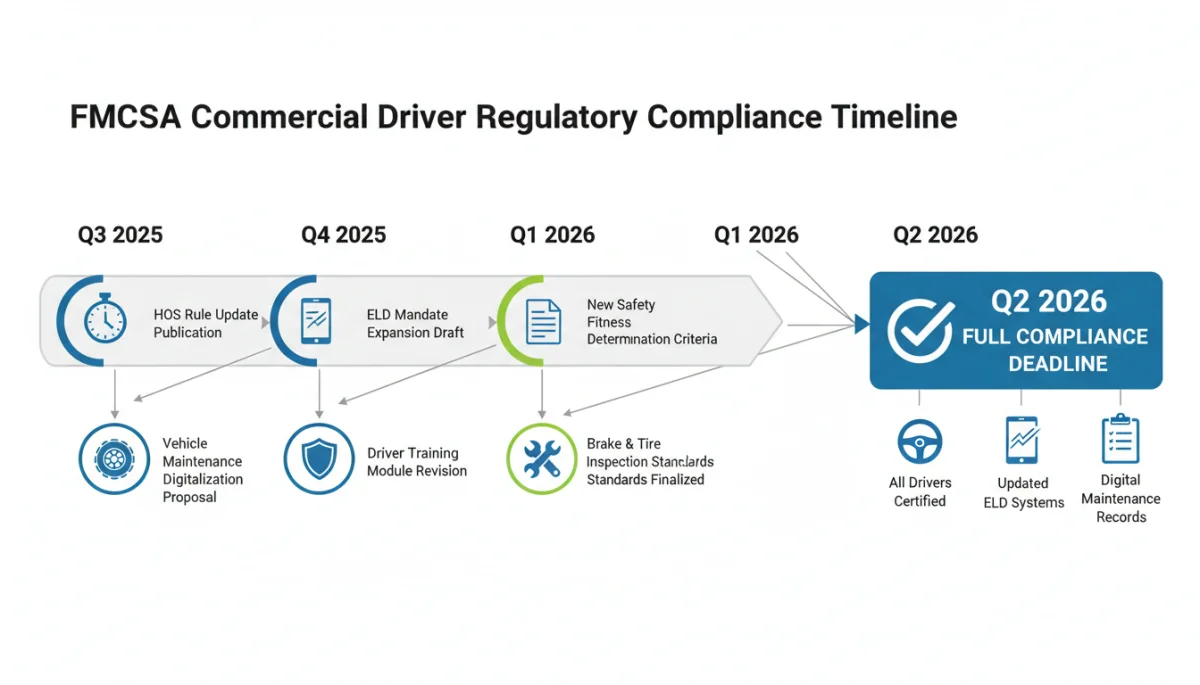
The integration of technology, from advanced ELDs to sophisticated ADAS, is a critical component of the 2026 FMCSA regulations. These technological mandates are designed to create a safer driving environment, reduce accidents, and provide more comprehensive data for compliance and operational improvements. Commercial drivers must embrace these tools, understand their functions, and adapt their driving habits to fully benefit from and comply with these forward-thinking mandates.
Driver Training, Certification, and Medical Requirements
The 2026 FMCSA regulations will place a renewed emphasis on driver training, certification, and medical fitness, ensuring that commercial drivers possess the necessary skills, knowledge, and health to operate safely. These updates reflect a commitment to continuous professional development and rigorous health standards, recognizing that a well-prepared and healthy driver is the first line of defense against road incidents.
New training modules are anticipated, covering not only the updated HOS and vehicle maintenance rules but also emerging technologies and best practices in defensive driving. These programs will likely be more standardized and comprehensive, ensuring that all drivers, regardless of experience level, receive consistent and high-quality instruction. Certification requirements may also see adjustments, potentially requiring more frequent refreshers or specialized endorsements for certain types of operations.
Updated Medical Examination Standards
Medical fitness is paramount for commercial drivers, and the 2026 regulations will likely introduce updated medical examination standards. These changes could include:
- More specific guidelines for evaluating conditions such as sleep apnea, cardiovascular health, and vision.
- Enhanced training for medical examiners to ensure consistency in evaluations.
- A stronger focus on mental health awareness and support for drivers.
The goal is to ensure that drivers are not only physically capable of handling the demands of their profession but also mentally resilient. Drivers should be prepared for potentially more thorough medical examinations and may need to provide additional documentation regarding ongoing health conditions. Proactive management of personal health will be more critical than ever.
In conclusion, the 2026 regulations underscore the importance of investing in driver development and well-being. By enhancing training, refining certification processes, and updating medical requirements, the FMCSA aims to cultivate a highly competent and healthy commercial driving workforce. Compliance in this area means not just meeting the minimum requirements but actively engaging in continuous learning and maintaining optimal health.
Understanding Penalties and Enforcement for Non-Compliance
With new regulations come revised enforcement strategies and potential penalties for non-compliance. The FMCSA is committed to ensuring widespread adherence to the 2026 rules, and commercial drivers and carriers must be fully aware of the consequences of failing to meet these updated standards. Ignorance of the law is not an excuse, and proactive preparation is the best defense against costly fines, operational disruptions, and even loss of operating authority.
Penalties for non-compliance can range from monetary fines, which can quickly add up, to out-of-service orders that prevent a driver or vehicle from operating until violations are corrected. Serious or repeated offenses can lead to a downgrade or suspension of a driver’s Commercial Driver’s License (CDL), and for carriers, it could mean a significant impact on their Compliance, Safety, Accountability (CSA) scores, leading to increased scrutiny and potential loss of business.
Common Areas of Enforcement Focus
While all regulations are subject to enforcement, certain areas typically receive more scrutiny. For the 2026 regulations, drivers should pay particular attention to:
- Accurate and complete ELD records, reflecting all HOS compliance.
- Thorough pre-trip and post-trip vehicle inspection reports.
- Proper licensing and endorsements, including any new certification requirements.
- Adherence to medical certification validity and any associated restrictions.
The FMCSA is likely to continue its roadside inspection programs, and with the increased integration of technology, data from ELDs and other telematics systems will play a more significant role in identifying potential violations. Drivers caught with incomplete logs, unaddressed vehicle defects, or expired medical certifications could face immediate and severe repercussions.
Ultimately, understanding the penalties and enforcement mechanisms is a crucial part of compliance. By being fully informed and proactive in meeting the new FMCSA regulations for 2026, commercial drivers can protect their livelihoods and contribute to a safer industry. Non-compliance is not an option, and the costs associated with it far outweigh the effort required for proper adherence.
Strategies for Seamless Compliance by Q2 2026
Achieving seamless compliance with the new FMCSA regulations by Q2 2026 requires a strategic and proactive approach. Waiting until the last minute can lead to significant stress, potential non-compliance, and operational disruptions. Commercial drivers and carriers need to implement a clear action plan that addresses all aspects of the upcoming changes, from administrative updates to operational adjustments and technological integrations.
The first step towards compliance is to conduct a thorough review of all current practices against the anticipated 2026 regulations. This assessment should identify any gaps or areas where current operations fall short of the new standards. It’s essential to not only understand the rules but also how they specifically apply to your unique driving routes, cargo types, and operational procedures.
Implementing a Comprehensive Compliance Plan
A successful compliance strategy will involve several key components:
- Driver Training Programs: Develop and deploy updated training modules covering all new HOS rules, inspection protocols, and technology usage. Ensure all drivers complete these programs well in advance of Q2 2026.
- Technology Updates: Assess current ELD and telematics systems. Plan for any necessary software upgrades or hardware replacements to meet new data reporting and ADAS requirements.
- Maintenance Schedule Adjustments: Revamp vehicle maintenance schedules to align with stricter inspection standards. Invest in necessary tools or training for maintenance personnel.
- Documentation Management: Establish robust digital record-keeping systems for HOS logs, inspection reports, and driver qualifications to ensure easy access for audits.
- Regular Audits and Reviews: Implement internal audit procedures to periodically check compliance levels before official enforcement begins.
By breaking down the compliance process into manageable steps, commercial drivers and carriers can systematically address each new regulation. This proactive approach not only ensures adherence but also minimizes the risk of penalties and enhances overall operational efficiency. Collaboration between drivers, dispatchers, and management will be key to a smooth transition.
Ultimately, navigating the new FMCSA regulations for 2026 successfully hinges on early preparation and a commitment to continuous improvement. By adopting these strategies, commercial drivers can confidently meet the Q2 2026 deadline, ensuring their operations remain safe, efficient, and fully compliant with federal standards.
| Key Regulatory Area | Brief Impact for Drivers |
|---|---|
| Hours of Service (HOS) | Refined definitions for on/off-duty time, expanded split-sleeper options, and flexible 30-minute break rules. |
| Vehicle Maintenance | Stricter inspection protocols, mandatory digital reporting, and greater emphasis on proactive upkeep of critical components. |
| Technological Integration | Enhanced ELD functionalities and increased adoption/mandates for Advanced Driver-Assistance Systems (ADAS). |
| Driver Qualifications | Updates to training, certification, and medical examination standards to ensure fitness and competency. |
Frequently Asked Questions About 2026 FMCSA Regulations
The most significant changes to Hours of Service (HOS) regulations for 2026 include more flexible split-sleeper berth options, refined definitions for on-duty and off-duty time, and adjustments to the 30-minute break requirement, aiming to provide drivers with greater operational adaptability while maintaining safety standards.
New vehicle maintenance standards will necessitate more rigorous pre-trip and post-trip inspections, with a push towards mandatory digital reporting of defects. This requires drivers to be more diligent in documentation and carriers to ensure timely repairs, ultimately promoting safer vehicle operation and reducing mechanical failures.
While the 2026 regulations strongly encourage ADAS adoption, specific mandates may vary by vehicle type and operational context. It’s crucial for carriers and drivers to consult the final FMCSA ruling to understand which ADAS features, such as Automatic Emergency Braking or Lane Departure Warning, will be strictly required for their fleet.
Drivers may need to complete new training modules covering updated HOS rules, advanced vehicle technology like ADAS, and enhanced vehicle inspection protocols. Additionally, some certifications might require more frequent refreshers or specialized endorsements depending on the specific operational changes introduced by the 2026 regulations.
Penalties for non-compliance can include significant monetary fines, out-of-service orders for drivers or vehicles, and negative impacts on a carrier’s CSA scores. Repeated or serious violations could lead to CDL suspension for drivers or loss of operating authority for carriers, underscoring the importance of strict adherence.
Conclusion
The new FMCSA regulations for 2026 represent a significant evolution in commercial driving standards, meticulously crafted to enhance safety, improve efficiency, and integrate modern technology across the industry. For every commercial driver in the U.S., understanding and proactively preparing for these changes is not merely a recommendation but a critical imperative. From updated Hours of Service rules to more stringent vehicle maintenance and the widespread adoption of advanced driver-assistance systems, each new provision aims to foster a safer and more productive environment. By embracing comprehensive training, updating technological infrastructures, and diligently adhering to all new requirements, drivers and carriers can ensure seamless compliance by Q2 2026, safeguarding their operations and contributing to the overall well-being of the nation’s roadways. Proactive engagement with these regulations will undoubtedly define success in the evolving landscape of commercial transportation.
