How Formula 1 Moved Into the United States Market
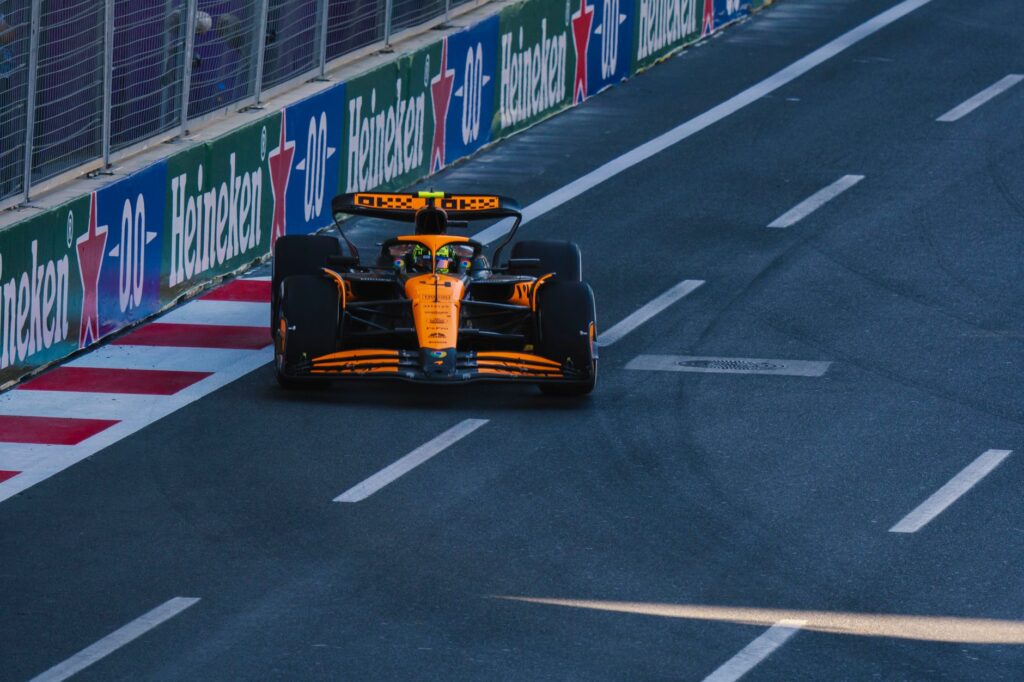
Formula 1’s expansion into the United States represents one of motorsport’s most significant commercial transformations, reshaping the sport’s global identity and financial structure. For decades, American audiences remained largely indifferent to open-wheel racing, viewing it as a foreign spectacle with little connection to domestic motorsport culture. Understanding how F1 overcame this resistance and established itself as a major sporting property in the world’s largest economy reveals crucial lessons about sports marketing, infrastructure development, and cultural adaptation.
The Early American Resistance and Initial Attempts
Formula 1’s first entry into the United States occurred in 1961, when the American Grand Prix debuted at Watkins Glen in upstate New York. Despite this early race, F1 struggled to gain traction in America throughout the 1960s and 1970s. The sport faced a fundamental challenge: Americans were deeply invested in their own racing traditions, particularly Indianapolis 500 oval racing and stock car racing through NASCAR, making them resistant to European-style open-wheel competition. Television coverage remained minimal, and the races themselves attracted modest crowds compared to domestic American motorsport events.
The American Grand Prix alternated between Watkins Glen and other venues like Long Beach, California, and Detroit, Michigan, but these races remained peripheral to F1’s global calendar. The Watkins Glen circuit, located in rural New York, drew dedicated enthusiasts but lacked the infrastructure and media attention that could transform casual spectators into loyal fans. Throughout this period, F1 was essentially a European sport with an American outpost rather than a genuinely American motorsport property.
Television’s Role in Building American Awareness
The turning point in F1’s American strategy arrived with improved television coverage and broadcasting partnerships. During the 1980s and 1990s, cable television networks began showing F1 races with greater frequency and professionalism, allowing American audiences to develop familiarity with drivers and teams without requiring attendance at live events. The emergence of charismatic drivers who competed in both American and European racing helped bridge the cultural gap. Television transformed F1 from an obscure foreign sport into accessible entertainment available in American living rooms.
ESPN’s increased coverage of F1 proved particularly influential, as the network positioned the sport to mainstream audiences rather than exclusively to hardcore racing fans. By the late 1990s, American viewers could follow an entire F1 season through television broadcasts, building narrative continuity and driver recognition that had previously been impossible. This accessibility fundamentally changed how Americans engaged with the sport, moving from occasional curiosity to sustained interest.
The Critical Role of Iconic Venues and Grand Venues
F1’s American expansion accelerated dramatically with the development of world-class racing facilities specifically designed to host Formula 1 events. The Circuit of the Americas, built in Austin, Texas, and completed in 2012, represented a watershed moment—a purpose-built F1 circuit on American soil designed to international specifications and featuring modern amenities, hospitality facilities, and spectator infrastructure. This venue signaled F1’s commitment to the American market with substantial capital investment, distinguishing it from temporary street circuits or repurposed facilities.
Prior to Austin’s development, F1 relied on street circuits like the Long Beach Grand Prix, which began in 1976, and the Miami Grand Prix. While street circuits offered unique characteristics and urban accessibility, they could not match the spectator experience and broadcast potential of a dedicated racing facility. The Austin circuit’s construction demonstrated that F1 believed the American market justified significant infrastructure spending, a confidence that proved justified through sustained attendance and media engagement.
Driver Marketing and American Personalities
F1’s breakthrough in America depended heavily on the presence of American drivers who could serve as cultural ambassadors for the sport. When American drivers competed at the highest level of F1, they provided domestic audiences with natural entry points and rooting interests that transcended the technical complexity of the sport. These drivers became celebrities in their home country, attracting media attention and sponsorship opportunities that elevated F1’s profile beyond traditional racing enthusiasts. The presence of an American in the sport created narratives that American media outlets could cover and American fans could relate to emotionally.
Michael Andretti’s participation in F1 during 1993, though brief and ultimately unsuccessful, generated substantial American media coverage and demonstrated market appetite for American drivers in the championship. Later, drivers like Scott Speed and Alexander Rossi expanded American presence in F1 and its junior categories, though sustained American success at the championship level remained elusive for many years. Nevertheless, the marketing potential of American drivers proved powerful enough that F1 teams and sponsors consistently sought American talent and American investment.
Corporate Sponsorship and American Business Investment
The transformation of F1’s American presence accelerated with increased corporate sponsorship and ownership from American companies and investors. As the sport developed television audiences and brand visibility in the United States, American corporations recognized F1 as a valuable platform for reaching affluent, engaged demographics. Sponsorship deals, team ownership, and broadcast partnerships with American entities fundamentally changed the economic structure of F1, making the American market central rather than peripheral to the sport’s financial model. This commercial investment reflected confidence in sustained American interest and justified further infrastructure and marketing spending.
Liberty Media’s acquisition of F1’s commercial rights in 2016 represented the culmination of this American market integration, bringing American ownership and management expertise to the sport’s highest levels. Liberty Media, a Las Vegas-based company with extensive experience in sports and media properties, implemented aggressive American expansion strategies that included additional U.S. races, enhanced broadcast partnerships with American networks, and marketing initiatives designed specifically for American audiences. This ownership structure ensured that American market considerations influenced strategic decision-making at F1’s highest levels.
Frequently Asked Questions
Why did Formula 1 struggle in America for so many decades?
Americans had established racing traditions centered on oval-track racing and stock car racing that dominated public attention and sponsorship dollars. F1’s European heritage, complex technical regulations, and limited television coverage made it difficult to compete for American interest against entrenched domestic alternatives. The sport lacked American drivers and American-based teams that could serve as cultural bridges to domestic audiences.
What changed to make Americans interested in Formula 1?
Improved television coverage through cable networks like ESPN made F1 accessible to mainstream audiences, while the construction of purpose-built circuits like Austin’s Circuit of the Americas demonstrated long-term commitment to the American market. The presence of American drivers and American ownership through Liberty Media further normalized F1 as an American sporting property rather than a foreign curiosity.
How many Formula 1 races does the United States currently host?
The United States has hosted multiple F1 races across different eras, with the number varying based on market conditions and circuit availability. Contemporary arrangements include races at established venues that reflect F1’s commitment to maintaining and expanding its American presence through multiple events across different regions and city markets.
Formula 1’s integration into the American market demonstrates how international sports properties can establish themselves in resistant markets through sustained investment in infrastructure, media partnerships, and cultural adaptation. The journey from Watkins Glen’s modest 1961 debut to multiple world-class American circuits reflects decades of strategic effort, corporate investment, and recognition that American audiences required specific conditions to embrace a foreign sporting tradition as their own.
