F1 Driver Training Regimes: 4 New Methods for 2026 Season
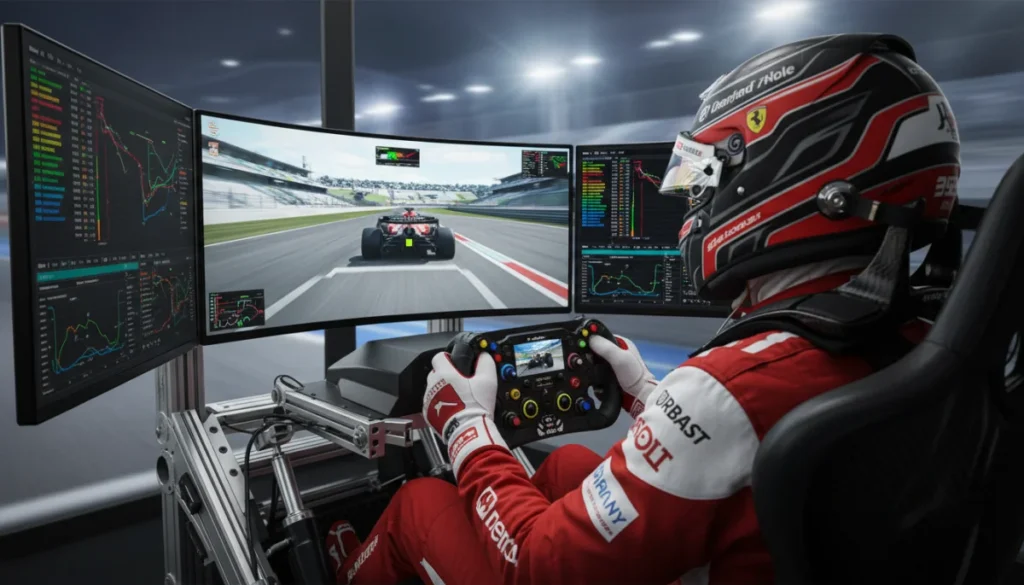
The 2026 F1 season demands a revolution in driver preparation, with new training regimes focusing on neuro-physical integration, advanced cardiovascular conditioning, mental resilience, and bespoke recovery protocols to optimize performance.
As the roar of the engines approaches for the 2026 Formula 1 season, the spotlight isn’t just on technological advancements in cars, but also on the athletes behind the wheel. The evolution of F1 driver training regimes is reaching unprecedented levels, pushing the boundaries of human performance. How are these elite athletes preparing for the most demanding motorsport challenge on the planet?
The Evolving Demands of Formula 1: Why Training Must Adapt
Formula 1 is a sport where milliseconds dictate victory or defeat. The physical and mental strain on drivers is immense, requiring a unique blend of endurance, strength, reaction time, and unwavering focus. With rule changes constantly reshaping the cars and racing dynamics, driver preparation must evolve in lockstep.
The 2026 regulations promise significant shifts, particularly in engine architecture and aerodynamics, which will undoubtedly impact how drivers manage their machines. This means training programs cannot remain static; they must be dynamic, predictive, and tailored to anticipate future challenges. The pursuit of marginal gains extends beyond engineering into the very physiology and psychology of the athlete.
The Physical Gauntlet of an F1 Race
Drivers endure extreme G-forces during cornering, braking, and acceleration, often exceeding 5G. This puts immense stress on the neck, core, and cardiovascular system. A typical race can see a driver lose several pounds in fluid, highlighting the need for peak hydration and stamina.
- Neck Strength: Essential for withstanding lateral G-forces without fatigue.
- Core Stability: Crucial for maintaining posture and control under high loads.
- Cardiovascular Endurance: To sustain high heart rates (often 170-190 bpm) for two hours.
- Heat Tolerance: Cockpit temperatures can exceed 120°F (50°C), demanding superior thermoregulation.
Beyond the physical, the mental load is equally staggering. Drivers process vast amounts of information at high speeds, make split-second decisions, and maintain intense concentration for extended periods. This holistic demand necessitates a training philosophy that integrates body and mind seamlessly.
Neuro-Physical Integration: Bridging Mind and Muscle
One of the most significant advancements in F1 driver training regimes for 2026 is the focus on neuro-physical integration. This approach moves beyond traditional strength and conditioning, aiming to optimize the communication pathways between the brain and the body. It’s about enhancing not just physical capabilities, but the speed and efficiency with which the brain can command those capabilities.
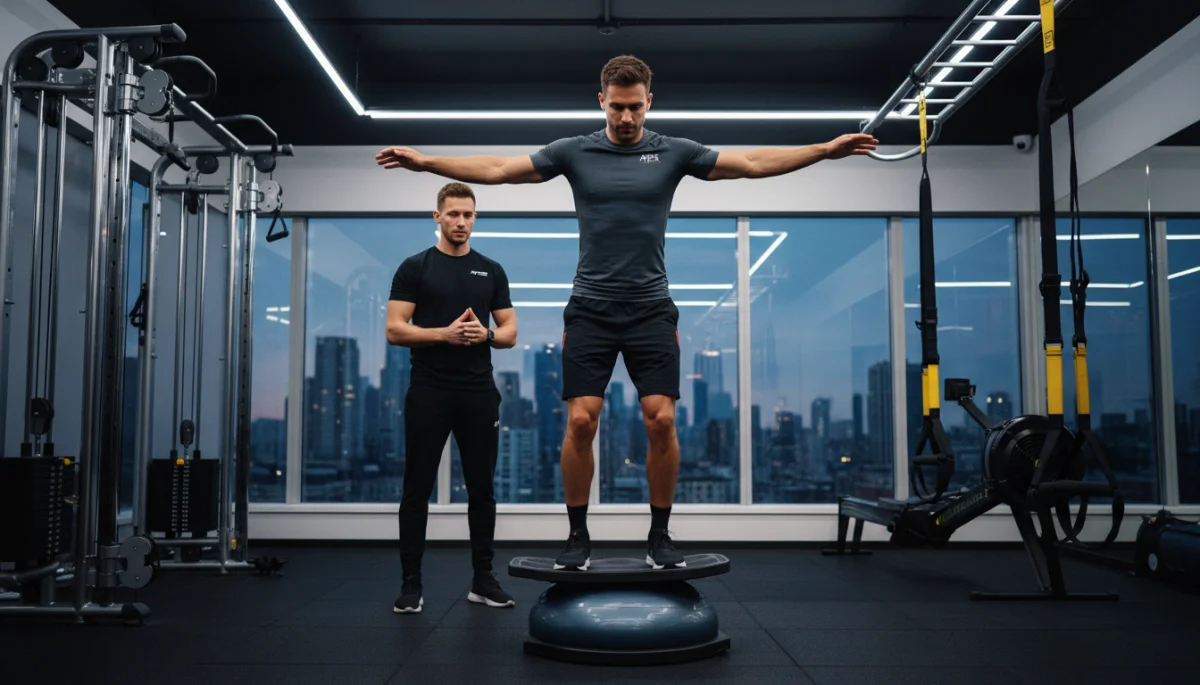
This involves specialized exercises that challenge proprioception, balance, and reaction time simultaneously. Think of a driver needing to make a precise steering input while experiencing high G-forces and processing visual information from the track and dashboard. Neuro-physical training aims to make these complex actions more intuitive and less cognitively demanding.
Advanced Sensory-Motor Training
Training protocols now include tasks that require drivers to react to visual or auditory cues while performing complex physical movements. This could involve using virtual reality headsets during balance exercises or performing hand-eye coordination drills under simulated race conditions. The goal is to improve the brain’s ability to interpret sensory input and translate it into rapid, accurate motor responses.
These methods are often highly personalized, using biometric data and performance analytics to identify specific areas for improvement. For instance, if a driver shows a slight delay in reacting to a certain type of visual stimulus, targeted exercises are designed to enhance that particular neural pathway. The integration of advanced technology, such as brain-computer interfaces (BCI) for feedback, is also being explored to provide real-time insights into neural activity during training.
Revolutionizing Cardiovascular Conditioning: Beyond the Treadmill
While traditional cardio remains a cornerstone, the 2026 F1 driver training regimes are adopting more sophisticated and race-specific cardiovascular conditioning. It’s no longer just about having a high VO2 max; it’s about sustaining peak performance under intermittent, high-stress loads that mimic race conditions.
High-intensity interval training (HIIT) has been refined to incorporate elements of cognitive load. For example, a driver might perform a series of sprints on a bike while simultaneously solving complex cognitive tasks displayed on a screen. This dual-tasking approach prepares the brain and body to function optimally when both are under immense pressure during a race.
Hypoxic Training and Environmental Simulation
To further enhance endurance and recovery, hypoxic training is gaining prominence. Drivers train in environments with reduced oxygen levels, simulating high-altitude conditions. This prompts the body to produce more red blood cells, improving oxygen delivery to muscles and enhancing overall stamina. This can be particularly beneficial for races held at higher altitudes, like Mexico City.
- Simulated Cockpit Heat: Training in heated environments to acclimatize the body to extreme cockpit temperatures.
- G-Force Simulation: Specialized centrifuges or resistance machines that mimic the forces experienced in an F1 car.
- Varied Intensity Protocols: Cardiovascular sessions designed with fluctuating intensities to mirror the demands of qualifying laps versus race stints.
These advanced conditioning methods ensure that drivers not only have the physical capacity to endure a race but can also perform at their cognitive best even when their bodies are under extreme duress. The focus is on resilience and maintaining decision-making capabilities throughout the race distance.
Mental Fortitude and Cognitive Enhancement: The Unseen Edge
The mental game in Formula 1 is as crucial as the physical one. The 2026 season will see an even greater emphasis on mental fortitude and cognitive enhancement as part of comprehensive F1 driver training regimes. This goes beyond basic sports psychology; it delves into neurofeedback, mindfulness, and advanced decision-making simulations.
Drivers are subjected to scenarios designed to test their ability to stay calm under pressure, make rapid strategic decisions, and manage frustration or setbacks. These simulations often incorporate unexpected events, requiring instant adaptation and problem-solving skills that mirror real-world race chaos.
Neurofeedback and Biofeedback Training
Neurofeedback training allows drivers to gain conscious control over their brainwave patterns. By monitoring their brain activity in real-time, they can learn to achieve optimal states of focus, relaxation, or alertness on demand. This is invaluable for qualifying laps, where peak concentration is required for a brief, intense period, or for managing stress during safety car periods.
Biofeedback, similarly, teaches drivers to regulate physiological responses like heart rate, breathing, and skin temperature. Mastering these techniques can help reduce pre-race anxiety, improve recovery, and maintain composure during high-pressure moments. The integration of these tools provides drivers with a deeper understanding and control over their own mental and physiological states.
Bespoke Recovery Protocols: The Science of Rejuvenation
Performance isn’t just about training hard; it’s equally about recovering effectively. For the 2026 F1 season, bespoke recovery protocols are becoming an integral, highly individualized component of F1 driver training regimes. These protocols are designed to accelerate physical and mental rejuvenation, ensuring drivers are always at their peak for the next session or race.
Recovery is no longer a generic cool-down; it’s a scientifically managed process. This includes personalized nutrition plans, advanced sleep tracking and optimization, cryotherapy, hyperbaric oxygen therapy, and targeted physiotherapy. Each element is tailored to the individual driver’s physiological responses and the specific demands of their race calendar.
Personalized Nutrition and Sleep Optimization
Dieticians work closely with drivers to create highly specific meal plans that support recovery, reduce inflammation, and provide sustained energy. This includes precise macronutrient timing and supplementation based on blood tests and metabolic profiles. Hydration strategies are also meticulously planned, considering individual sweat rates and environmental conditions.
- Sleep Hygiene: Strict routines and environments to maximize sleep quality, crucial for hormonal balance and cognitive restoration.
- Cryotherapy: Exposure to extremely cold temperatures to reduce muscle soreness and inflammation.
- Hyperbaric Oxygen Therapy: Breathing pure oxygen in a pressurized chamber to accelerate tissue repair and reduce fatigue.
- Advanced Physiotherapy: Targeted treatments, including massage, dry needling, and mobility work, to address specific muscle groups and prevent injury.
The emphasis on bespoke recovery acknowledges that every driver is unique, and a one-size-fits-all approach is insufficient for elite performance. By optimizing recovery, teams aim to minimize the risk of burnout, enhance adaptation to training, and ensure consistent peak performance throughout a grueling F1 season.
The Role of Data Analytics and AI in Tailoring Training
The future of F1 driver training regimes is inextricably linked with data analytics and artificial intelligence. Every aspect of a driver’s performance, from on-track telemetry to biometric data during training, is collected and analyzed. This vast amount of data provides unprecedented insights into a driver’s strengths, weaknesses, and physiological responses.
AI algorithms can process this data to identify patterns, predict performance plateaus, and recommend optimal training adjustments. For example, AI might detect subtle changes in a driver’s heart rate variability that indicate impending fatigue, prompting a modification in their training load or recovery protocol. This data-driven approach allows for dynamic, real-time optimization of training programs.
Predictive Performance Modeling
AI can create predictive models of driver performance, simulating how different training interventions might impact on-track results. This allows trainers and drivers to make informed decisions about their preparation, focusing on areas that will yield the greatest performance gains. It also helps in injury prevention by identifying potential overload risks before they manifest.
Furthermore, AI-powered simulators are becoming increasingly sophisticated, offering highly realistic and adaptive training environments. These simulators can adjust scenarios based on a driver’s real-time performance and physiological data, providing a truly personalized and challenging training experience. The integration of data analytics and AI ensures that F1 driver training is not just advanced, but intelligent.
| Key Training Method | Brief Description |
|---|---|
| Neuro-Physical Integration | Optimizing brain-body communication for faster, more precise reactions. |
| Advanced Cardiovascular | Race-specific endurance with cognitive load, including hypoxic training. |
| Mental Fortitude & Cognitive | Neurofeedback, biofeedback, and high-pressure decision-making simulations. |
| Bespoke Recovery Protocols | Personalized nutrition, sleep optimization, cryotherapy, and targeted physio. |
Frequently Asked Questions About F1 Driver Training
F1 drivers face extreme G-forces requiring immense neck and core strength. They must also possess exceptional cardiovascular endurance to maintain high heart rates for extended periods in hot cockpits, often losing several pounds of fluid during a race.
Neuro-physical integration enhances the speed and efficiency of brain-body communication. This improves reaction times, balance, and proprioception, allowing drivers to make faster, more precise inputs under high-stress conditions by optimizing neural pathways.
Mental training is crucial for maintaining focus, making rapid decisions, and managing pressure. Techniques like neurofeedback and biofeedback help drivers control brainwave patterns and physiological responses, enabling peak concentration and composure during critical race moments.
Recovery is highly personalized, based on individual physiological responses and race demands. It includes bespoke nutrition plans, advanced sleep optimization, cryotherapy, hyperbaric oxygen therapy, and targeted physiotherapy to accelerate physical and mental rejuvenation.
AI analyzes vast amounts of data from telemetry and biometrics to identify patterns, predict performance, and recommend optimal training adjustments. AI-powered simulators also provide adaptive, personalized training environments, enhancing efficiency and effectiveness of preparation.
Conclusion
The 2026 Formula 1 season promises to be a spectacle of human and technological prowess, with F1 driver training regimes evolving at an unprecedented pace. The integration of neuro-physical optimization, advanced cardiovascular conditioning, sophisticated mental fortitude techniques, and bespoke recovery protocols forms the bedrock of modern driver preparation. Coupled with the power of data analytics and AI, these innovative methods are not just about pushing physical limits, but about creating the most resilient, responsive, and cognitively sharp athletes the sport has ever seen. As the cars become more demanding, so too does the preparation of those who tame them, ensuring that the spectacle of Formula 1 remains at the pinnacle of motorsport.
