Roadside Inspection Procedures 2026: A Driver’s Guide
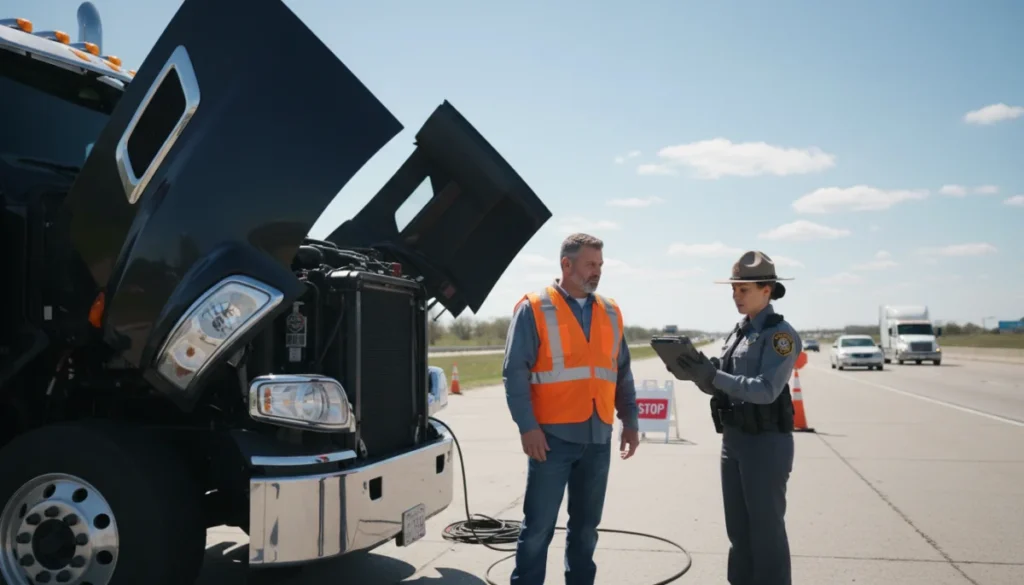
The 2026 roadside inspection procedures introduce significant updates affecting all drivers, focusing on advanced vehicle technology and enhanced safety protocols. Understanding these changes is crucial for compliance and avoiding penalties.
Navigating the ever-evolving landscape of transportation regulations can be challenging, but staying informed is your best defense. This guide delves into Understanding the Newest Roadside Inspection Procedures: A Driver’s Guide for 2026, providing essential insights to help you prepare for upcoming changes and ensure your journeys are both safe and compliant.
The evolving landscape of roadside inspections
Roadside inspections are a critical component of maintaining safety on American roads, ensuring that commercial motor vehicles (CMVs) and their drivers comply with federal regulations. The year 2026 brings forward a series of significant updates to these procedures, reflecting advancements in technology, increased emphasis on driver wellness, and a proactive approach to accident prevention. These changes are not merely administrative; they represent a fundamental shift in how compliance is assessed and enforced across the United States.
For drivers, this means a need for heightened awareness and adaptation. The inspections are designed to be more comprehensive, leveraging data-driven insights and advanced diagnostic tools to identify potential issues more efficiently. This evolution aims to reduce the likelihood of mechanical failures, improve driver accountability, and ultimately, make our highways safer for everyone. Understanding the nuances of these changes is no longer optional but a necessity for every professional driver.
Key regulatory shifts and their implications
Several federal agencies, primarily the Federal Motor Carrier Safety Administration (FMCSA), are behind these procedural adjustments. Their goal is to streamline the inspection process while simultaneously increasing its effectiveness. Drivers will find that the focus extends beyond traditional vehicle components to include more sophisticated aspects of vehicle operation and driver behavior.
- Enhanced vehicle diagnostics: Inspectors will have access to more advanced tools for real-time data retrieval from vehicle systems.
- Driver wellness checks: A greater emphasis will be placed on hours-of-service compliance and driver fatigue indicators.
- Technology integration: Increased reliance on electronic logging devices (ELDs) and other telematics for immediate data verification.
These shifts mean that preparation for an inspection now involves more than just a pre-trip check; it requires a holistic approach to compliance that integrates technology, driver health, and meticulous record-keeping. The implications are far-reaching, affecting everything from operational costs to driver retention and overall fleet efficiency.
Understanding the new technology focus
The year 2026 marks a pivotal moment in the integration of technology into roadside inspection procedures. Gone are the days when inspectors relied solely on visual checks and paper logs. The new protocols embrace digital solutions, making inspections more efficient and precise. This technological leap impacts both the vehicle and driver, demanding a new level of digital literacy and preparedness.
Vehicles are becoming increasingly sophisticated, equipped with advanced safety systems and data recording capabilities. Inspectors will now be able to tap into these systems to gather crucial information about the vehicle’s operational history, maintenance records, and performance data. This shift necessitates that drivers and carriers ensure all onboard technological systems are functioning correctly and are accessible for inspection.
The role of electronic logging devices (ELDs)
ELDs have been a cornerstone of compliance for several years, but their role is set to expand further in 2026. These devices are no longer just for tracking hours of service; they are becoming central hubs for various data points critical to roadside inspections. Inspectors will utilize ELDs to quickly verify driver availability, duty status, and compliance with federal HOS regulations.
- Real-time data access: ELDs will provide immediate access to driver logs, eliminating manual review delays.
- Tamper detection: Advanced ELD systems are designed to detect and flag any attempts at data manipulation, ensuring integrity.
- Integration with vehicle diagnostics: Future ELDs may integrate more deeply with vehicle diagnostics, offering a comprehensive view of vehicle health and operational status.
Drivers must ensure their ELDs are always operational, correctly calibrated, and that they are proficient in retrieving and transferring data to an inspector. Any issues with the ELD can lead to delays, citations, and potential out-of-service orders, underscoring the importance of proper maintenance and understanding of these devices.
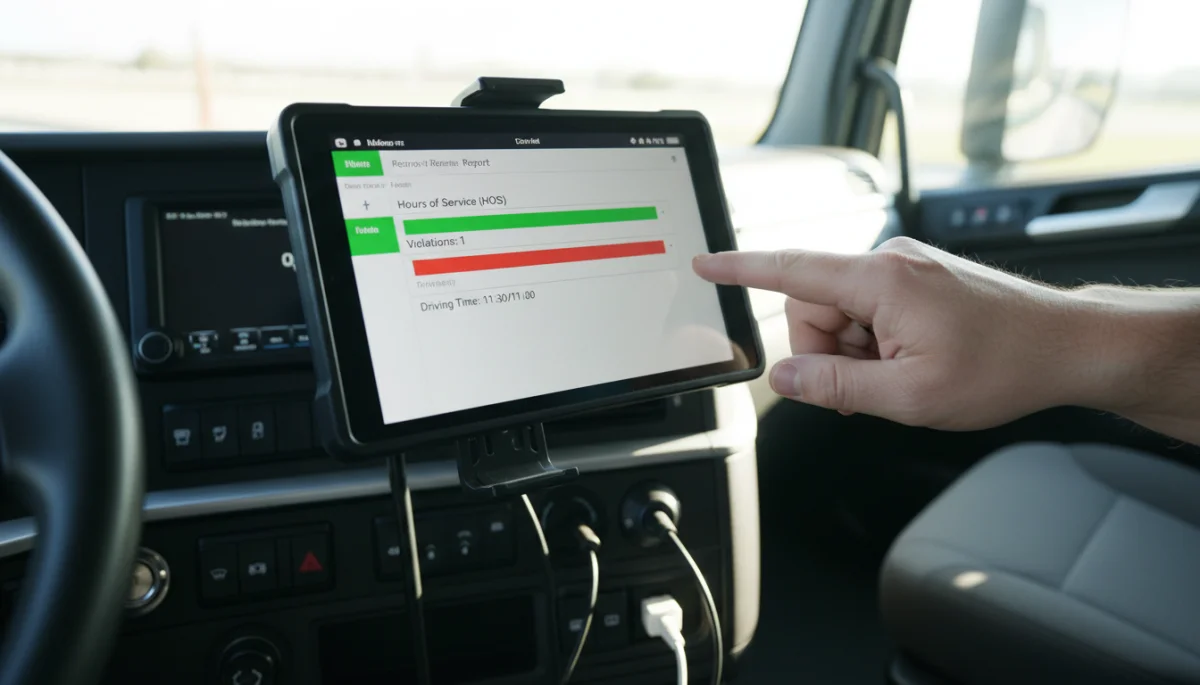
Beyond ELDs, other telematics and vehicle-to-infrastructure (V2I) communication systems are expected to play a more significant role. These technologies can provide inspectors with pre-screening data, allowing them to target vehicles that are more likely to have compliance issues, thereby making inspections more efficient and less intrusive for compliant drivers.
Enhanced focus on driver wellness and hours of service
The well-being of commercial drivers has always been a concern, but the 2026 roadside inspection procedures place an even greater emphasis on driver wellness and meticulous adherence to hours-of-service (HOS) regulations. This renewed focus acknowledges the direct link between driver fatigue, health, and road safety, aiming to mitigate risks associated with overworked or unwell drivers. Inspectors will be trained to identify signs of fatigue and other health-related issues that could impair a driver’s ability to operate a CMV safely.
The HOS regulations are designed to prevent driver fatigue, dictating the maximum amount of time a driver can operate a CMV, as well as mandatory rest periods. While the core regulations may not have drastic changes, the enforcement mechanisms are becoming more sophisticated, leveraging technology to ensure compliance. Drivers can expect a more rigorous examination of their duty status records and a greater emphasis on the accuracy of these records.
Spotting fatigue and ensuring compliance
Inspectors will be looking for more than just a violation on an ELD screen. They will be trained to observe driver behavior and physical condition for overt signs of fatigue. This proactive approach aims to intervene before a fatigued driver becomes a hazard on the road. Carriers also bear a significant responsibility in ensuring their drivers are well-rested and fit for duty.
- Behavioral indicators: Inspectors may observe for signs like yawning, slow reactions, or difficulty maintaining focus.
- Documentation review: Thorough checks of ELD records for patterns indicative of HOS violations or insufficient rest.
- Driver interviews: Direct questioning regarding recent rest periods, driving schedules, and overall well-being.
To prepare for this enhanced scrutiny, drivers should prioritize their rest and adhere strictly to HOS rules. Maintaining open communication with their carriers about any health concerns or fatigue issues is also crucial. The goal is not just to avoid citations but to foster a culture of safety where driver wellness is paramount.
Vehicle maintenance and inspection checkpoints
While technology and driver wellness are gaining prominence, the fundamental aspects of vehicle maintenance remain a critical cornerstone of roadside inspections in 2026. The mechanical integrity of a commercial motor vehicle is non-negotiable for road safety. These new procedures will refine how vehicle components are inspected, emphasizing preventive maintenance and the immediate rectification of defects. Drivers and carriers must ensure their vehicles are not only roadworthy but also meticulously maintained according to federal standards.
Inspectors will continue to perform thorough checks of various vehicle systems, but with an added layer of scrutiny, particularly for components that have historically been major contributors to accidents. This includes braking systems, tires, lighting, steering, and coupling devices. The expectation is that vehicles should be in optimal operating condition, with all safety features fully functional.
Common inspection points with renewed focus
Even with advanced diagnostics, a hands-on inspection of critical vehicle components remains indispensable. The 2026 guidelines may introduce updated checklists or more stringent tolerances for certain parts, requiring drivers to be even more vigilant during their pre-trip and en-route inspections.
- Braking systems: Enhanced checks for air leaks, brake pad wear, and proper adjustment.
- Tires and wheels: Scrutiny for tread depth, sidewall integrity, and proper inflation, as well as wheel assembly integrity.
- Lighting and electrical systems: Verification that all required lights are operational and wiring is intact.
- Steering and suspension: Detailed inspection for loose components, leaks, and excessive wear.
Regular preventive maintenance is the most effective strategy for ensuring compliance in this area. Carriers should implement robust maintenance schedules, and drivers must conduct thorough pre-trip and post-trip inspections, reporting any defects immediately. A well-maintained vehicle not only passes inspections but also significantly reduces the risk of breakdowns and accidents on the road.
Documentation and record-keeping requirements
In the digital age, accurate and accessible documentation is more vital than ever for roadside inspections. The 2026 procedures will place a heightened emphasis on the completeness, accuracy, and immediate availability of various records. This includes not just driver logs, but also vehicle registration, proof of insurance, medical certificates, and any permits required for the cargo being transported. Drivers must be prepared to present these documents promptly and in a format acceptable to inspectors.
The move towards digital documentation continues, with many jurisdictions preferring electronic versions of permits and registration. However, it is crucial for drivers to understand specific state and federal requirements regarding physical versus electronic copies. Maintaining an organized system for all necessary paperwork, whether digital or physical, will significantly streamline the inspection process and prevent unnecessary delays or citations.
Essential documents for roadside inspections
A comprehensive understanding of what documents are required can save valuable time and stress during an inspection. Missing or expired documents are common reasons for citations and can lead to more extensive inspections. Drivers should perform regular checks of their documentation to ensure everything is current and on hand.
- Commercial driver’s license (CDL): Must be valid and appropriate for the vehicle class.
- Medical examiner’s certificate: Proof of physical qualification to operate a CMV.
- Vehicle registration and proof of insurance: Current and valid for the operating vehicle.
- ELD records: Accessible and accurate hours-of-service data.
- Shipping papers/manifests: For the cargo being transported, detailing contents and origin/destination.
Carriers play a crucial role in providing drivers with all necessary documentation and ensuring that their record-keeping systems are robust and compliant. Drivers should also be trained on how to properly present these documents and communicate effectively with inspectors. The aim is to demonstrate a clear commitment to compliance through meticulous record-keeping.
Preparing for a roadside inspection: A driver’s checklist
Preparation is the ultimate key to a smooth and successful roadside inspection. As the 2026 procedures bring new complexities, having a systematic approach to pre-inspection checks can make all the difference. This section outlines a comprehensive checklist for drivers, designed to cover all bases from vehicle mechanics to driver documentation and personal readiness. Adhering to this checklist will not only help you pass inspections but also contribute significantly to your safety and efficiency on the road.
Beyond the technical aspects, a driver’s attitude and professionalism during an inspection are also vital. Inspectors are looking for cooperation and a clear demonstration of compliance. Approaching an inspection calmly, respectfully, and with all necessary information readily available can greatly influence the outcome. Remember, an inspection is an opportunity to showcase your commitment to safety and regulatory adherence.
Your ultimate pre-inspection checklist
This checklist consolidates the critical areas of focus under the new 2026 guidelines, providing a practical guide for daily preparation. Integrating these steps into your routine will build confidence and reduce the stress associated with roadside stops.
- Vehicle mechanical check: Inspect brakes, tires, lights, steering, and suspension for any defects. Ensure all fluids are at appropriate levels.
- Technology readiness: Verify ELD functionality, ensure it’s charged, and you know how to transfer data. Check any other onboard diagnostic systems.
- Documentation in order: Confirm CDL, medical card, registration, insurance, and cargo manifests are current and easily accessible.
- Hours of Service compliance: Review your ELD logs for accuracy and ensure you are within legal HOS limits. Plan your routes to allow for proper rest.
- Personal preparedness: Be well-rested, alert, and ready to communicate clearly and professionally with inspectors. Have a basic understanding of current regulations.
By consistently following this checklist, drivers can significantly improve their chances of a hassle-free inspection. It reinforces the proactive mindset necessary to navigate the complexities of modern trucking regulations, ensuring that every journey is undertaken with the highest standards of safety and compliance.
Navigating common violations and avoiding penalties
Despite best efforts, violations can occur during roadside inspections. Understanding the most common violations and, more importantly, how to avoid them, is crucial for every driver and carrier. The 2026 procedures aim for greater enforcement consistency, meaning that even minor infractions could lead to citations or, in severe cases, out-of-service orders. Proactive prevention is far more effective and less costly than reacting to penalties.
Common violations often stem from oversight rather than deliberate non-compliance. These can range from easily correctable issues like a burnt-out light bulb to more serious offenses related to hours of service or critical vehicle component failures. Awareness of these frequent pitfalls allows drivers to focus their pre-inspection checks on the most vulnerable areas.
Strategies for violation prevention
Avoiding violations requires a combination of diligent daily practices, thorough knowledge of regulations, and effective communication between drivers and carriers. It’s a continuous process of education and adherence to best practices.
- Daily vehicle inspections: Conduct comprehensive pre-trip and post-trip inspections to catch and rectify issues before they become violations.
- HOS adherence: Strictly follow hours-of-service regulations, utilizing ELDs correctly, and taking required rest breaks.
- Documentation accuracy: Ensure all required documents are current, legible, and readily available. Double-check cargo manifests for accuracy.
- Continuous training: Stay updated on the latest regulatory changes and best practices through ongoing training programs provided by your carrier or industry associations.
- Open communication: Report any vehicle defects, ELD malfunctions, or health concerns to your carrier immediately.
Should a violation occur, understanding the appeals process and corrective actions is important. However, the primary focus should always be on prevention. By integrating these strategies into daily operations, drivers can significantly reduce their risk of incurring penalties and contribute to a safer, more compliant transportation industry.
| Key Aspect | Description for 2026 |
|---|---|
| Technology Focus | Increased reliance on ELDs and advanced vehicle diagnostics for data verification. |
| Driver Wellness | Enhanced scrutiny of HOS compliance and signs of driver fatigue. |
| Vehicle Maintenance | More stringent checks on critical components like brakes and tires. |
| Documentation | Emphasis on accurate, accessible, and up-to-date digital and physical records. |
Frequently asked questions about 2026 roadside inspections
The most significant changes for 2026 include an enhanced focus on technological integration, such as advanced ELD data analysis and vehicle diagnostics. There’s also a heightened emphasis on driver wellness, hours-of-service compliance, and more rigorous vehicle maintenance checks to ensure overall road safety.
In 2026, ELDs will serve as a more central data hub. Inspectors will utilize them for real-time access to driver logs, detailed hours-of-service compliance, and potentially integrated vehicle diagnostic information. Advanced systems will also focus on detecting any attempts at data manipulation, ensuring greater accuracy and integrity.
Drivers should always have a valid Commercial Driver’s License (CDL), medical examiner’s certificate, current vehicle registration, proof of insurance, and all necessary cargo manifests. Ensure your ELD records are accessible and accurate. It’s also wise to have any specific permits required for your load or route.
The 2026 procedures put more emphasis on identifying driver fatigue and ensuring adherence to hours-of-service regulations. Inspectors will be trained to observe behavioral indicators of fatigue and may conduct more in-depth reviews of driver logs and interviews to assess overall driver health and fitness for duty.
The best preparation involves conducting thorough daily vehicle inspections, ensuring all technology (especially ELDs) is operational, keeping all documentation current and accessible, strictly adhering to HOS regulations, and staying informed about the latest regulatory updates through continuous training. Professionalism during inspections is also key.
Conclusion
The 2026 roadside inspection procedures represent a significant step forward in ensuring road safety and compliance across the United States. By integrating advanced technology, prioritizing driver wellness, and refining vehicle maintenance standards, these updates aim to create a more efficient and effective inspection process. For commercial drivers and carriers, staying informed, embracing technology, and maintaining a proactive approach to compliance are paramount. Adhering to these new guidelines not only helps avoid penalties but also contributes to a safer, more reliable transportation network for everyone. Prepare diligently, drive safely, and stay compliant.
