F1 Calendar 2026: US Presence & Economic Impact
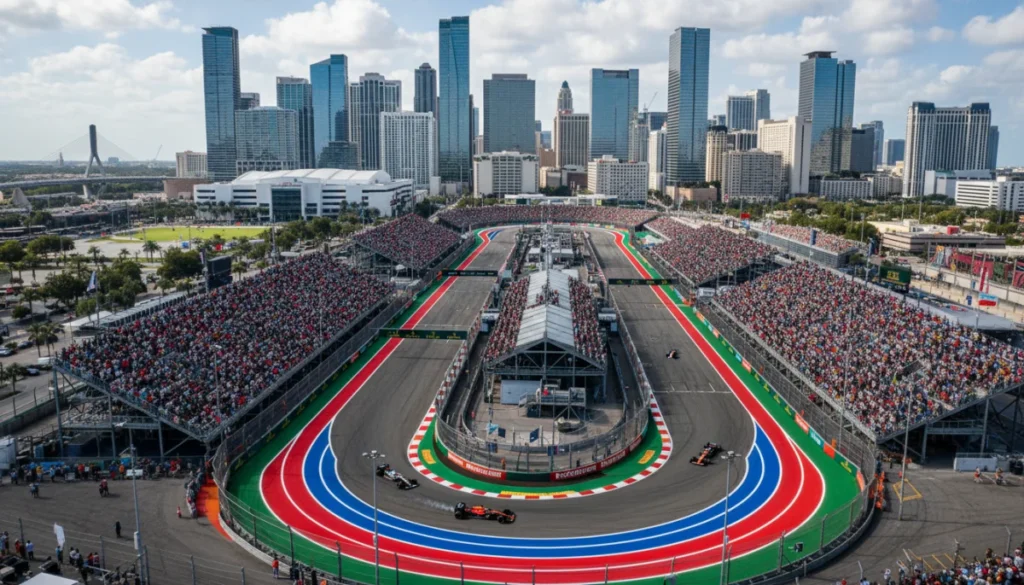
The F1 Calendar 2026 is poised for a significant increase in US races, promising substantial economic benefits for host cities through tourism, job creation, and infrastructure development.
As the roar of Formula 1 engines grows louder across the globe, the anticipation for the F1 Calendar 2026 US presence is particularly high, signaling a pivotal moment for both the sport and American host cities. This expansion is not merely about more races; it represents a profound financial and cultural shift, bringing with it a wave of economic implications for local economies.
The Accelerating Growth of F1 in the United States
Formula 1 has experienced an unprecedented surge in popularity within the United States over the past few years, a trend that shows no signs of slowing down. This growing interest is largely attributed to strategic marketing efforts, including the highly successful ‘Drive to Survive’ documentary series, which has captivated a new generation of American fans. The inclusion of new races in iconic US cities has further solidified F1’s footing in the lucrative North American market.
The sport’s governing body, the FIA, and commercial rights holder, Liberty Media, have actively pursued this expansion, recognizing the immense potential for growth. The US market offers a vast audience and significant commercial opportunities, making it a key focus for future calendar development. This strategic push is expected to culminate in an even stronger US presence on the 2026 calendar.
Strategic Rationale Behind US Expansion
- Market Penetration: Tapping into the massive US sports market.
- Fan Engagement: Cultivating a dedicated fan base beyond traditional European strongholds.
- Sponsorship Opportunities: Attracting lucrative American corporate partnerships.
- Media Rights: Securing high-value broadcasting deals with major US networks.
The increasing number of races in the United States reflects a carefully calculated strategy to maximize F1’s global appeal and financial revenue. Each new US Grand Prix provides a fresh opportunity to connect with fans, showcase the sport’s technological prowess, and generate significant economic activity. The enthusiasm from local governments and businesses to host these events underscores their perceived value.
Economic Engines: Direct Financial Impacts of F1 Races
Hosting a Formula 1 Grand Prix is a massive undertaking, but it comes with substantial direct financial benefits for the host city and surrounding region. These events attract tens of thousands of visitors, many of whom travel internationally or across states, injecting new money directly into the local economy. The sheer scale of the operation, from track construction to event logistics, creates a temporary but significant boost in employment and spending.
The direct financial impacts are immediately visible across various sectors. Hotels, restaurants, transportation services, and local attractions all experience a surge in demand. Spectators spend on tickets, merchandise, food, beverages, and local experiences, contributing to a vibrant economic ecosystem during race week. These immediate financial inflows are a primary driver for cities seeking to host such prestigious events.
Key Direct Economic Contributions
- Ticket Sales Revenue: Millions generated from race attendance.
- Hospitality Spending: Hotels, short-term rentals, and dining establishments see peak demand.
- Event Operations: Significant spending on logistics, security, temporary infrastructure, and local labor.
- Merchandise and Retail: Formula 1 branded goods and local retail benefit from increased foot traffic.
The direct financial injection from an F1 race is a powerful stimulus, often measured in hundreds of millions of dollars. This initial surge helps to support local businesses, create seasonal jobs, and generate tax revenue for municipal and state governments. The economic ripple effect begins immediately as preparations for the event commence, extending through the race weekend and beyond.
The Ripple Effect: Indirect and Induced Economic Benefits
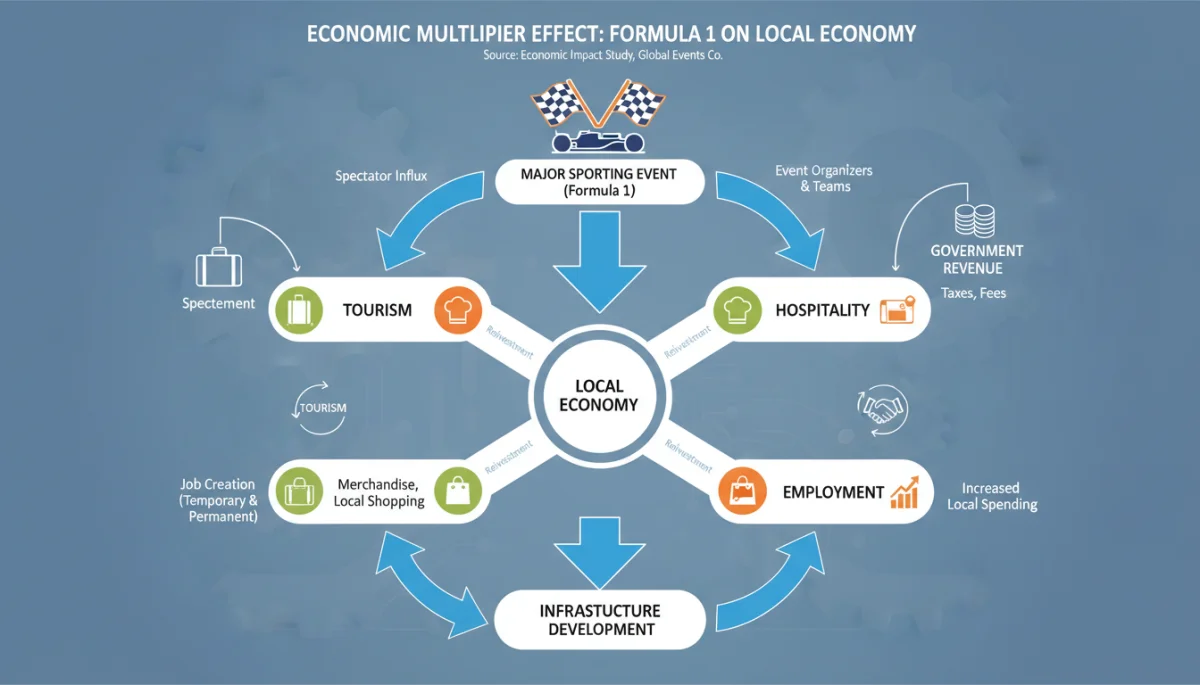
Beyond the direct financial impacts, F1 races generate significant indirect and induced economic benefits that spread throughout the local economy. Indirect effects stem from the supply chain supporting the event – local businesses providing goods and services to race organizers, teams, and vendors. Induced effects arise from the spending of those directly and indirectly employed by the event, as they spend their wages within the local community.
This economic multiplier effect means that every dollar spent by a visitor or event organizer circulates through the economy multiple times, generating additional income and employment. For example, a hotel employee earning wages from race weekend visitors might spend a portion of that income at a local grocery store, which then pays its employees, further circulating the money. This creates a broader economic uplift that benefits a wider array of businesses and individuals.
Understanding the Economic Multiplier
The concept of an economic multiplier is crucial in understanding the full financial impact of an F1 Grand Prix. It quantifies how initial spending generates additional economic activity. Studies often show that for every dollar directly spent on an event, several more dollars are generated indirectly and through induced spending. This makes F1 races particularly attractive for cities looking for robust economic stimuli.
The indirect benefits also include the enhanced reputation and brand recognition for the host city. Being featured on a global stage like Formula 1 provides invaluable marketing and tourism promotion, attracting future visitors and potential investors long after the race cars have left. This long-term exposure can lead to sustained economic growth and development.
Tourism and Infrastructure: Long-Term Gains from F1 Hosting
Hosting an F1 Grand Prix offers substantial long-term benefits in terms of tourism and infrastructure development. The global television audience for Formula 1 is enormous, providing host cities with unparalleled exposure to millions of potential tourists. This exposure can elevate a city’s profile, making it a more attractive destination for future travel and investment.
Furthermore, the requirements for hosting an F1 race often necessitate significant infrastructure upgrades. This can include improvements to roads, public transportation, airports, and even the development of new hospitality facilities. While these investments are initially spurred by the race, they leave a lasting legacy that benefits residents and businesses long after the event concludes. These enhancements can improve the overall quality of life and economic competitiveness of the city.
Infrastructure Development and Urban Renewal
- Road and Transport Upgrades: Modernization of existing infrastructure and creation of new routes.
- Hospitality Sector Expansion: Development of new hotels, restaurants, and entertainment venues.
- Public Facilities: Improvements to parks, public spaces, and urban aesthetics.
- Technological Advancements: Implementation of advanced communication and security systems for the event, which can then be utilized by the city.
The long-term effects on tourism are equally significant. Once a city has successfully hosted an F1 event, it often becomes associated with high-profile international events, drawing in more conventions, sports tournaments, and leisure travelers. This sustained influx of visitors contributes to a more robust and diversified tourism economy, creating permanent jobs and opportunities for local entrepreneurs.
Challenges and Considerations for Host Cities
While the economic benefits of hosting an F1 Grand Prix are undeniable, cities must also contend with significant challenges and considerations. The initial investment required to build or adapt a suitable track and infrastructure can be substantial, often running into hundreds of millions of dollars. There are also ongoing operational costs, security expenses, and the financial demands of the race sanctioning fees.
Local residents can also experience disruptions, including increased traffic congestion, noise pollution, and temporary closures of public spaces. Managing these impacts and ensuring community support is crucial for the long-term viability of an F1 event. Cities must carefully weigh the economic gains against the potential social and environmental costs.
Potential Drawbacks and Mitigation Strategies
- High Upfront Costs: Securing funding and managing budgets for construction and event fees.
- Community Disruption: Addressing concerns about noise, traffic, and access for residents.
- Environmental Impact: Implementing sustainable practices to mitigate the carbon footprint of the event.
- Return on Investment: Ensuring that the long-term economic benefits outweigh the initial and ongoing expenses.
Effective planning and community engagement are essential to mitigate these challenges. Cities can implement traffic management plans, offer incentives for public transport, and invest in green initiatives to offset environmental impacts. Transparent communication with residents about the benefits and temporary inconveniences can also help foster a positive relationship between the event and the local community. The balance between economic opportunity and societal responsibility is a delicate one, requiring careful navigation by host cities.
The Future Landscape: F1 and US Economic Integration in 2026
Looking ahead to the F1 Calendar 2026 US presence, the integration of Formula 1 into the American economic landscape is expected to deepen significantly. With multiple races likely to be cemented on the calendar, the US will become a cornerstone of F1’s global strategy. This expanded footprint will not only boost regional economies but also solidify F1’s position as a major player in the American sports and entertainment industry.
The increased frequency of races will foster greater fan engagement and create more consistent opportunities for local businesses. As F1 becomes a more regular fixture, cities can develop more permanent infrastructure and services tailored to the event, potentially leading to more sustainable economic benefits. The anticipation is that the 2026 season will mark a new era of F1’s strong and enduring presence in the United States, driving innovation and prosperity.
Emerging Trends and Opportunities
The future holds exciting prospects for both F1 and its US host cities. We can anticipate further innovation in fan experience, potentially incorporating advanced technologies and immersive entertainment. The growth of F1 in the US might also attract more investment in related industries, such as motorsport technology and sustainable energy solutions, creating new job markets and economic diversification.
Furthermore, the long-term presence of F1 could lead to educational partnerships, inspiring a new generation of engineers, designers, and sports professionals. This cultural and educational exchange would represent a significant, albeit indirect, economic benefit, fostering human capital development within the host regions. The journey of F1 in the US is far from over, with 2026 poised to be a landmark year in its evolving narrative.
| Key Economic Aspect | Impact on Local Economies |
|---|---|
| Increased Tourism | Significant boost in visitor numbers, hotel stays, dining, and local attraction spending. |
| Job Creation | Temporary and seasonal employment in hospitality, event management, and logistics sectors. |
| Infrastructure Investment | Upgrades to roads, public transport, and hospitality facilities, leaving a lasting legacy. |
| Global Exposure | Enhanced city branding and long-term tourism promotion through international media coverage. |
Frequently Asked Questions About F1’s US Economic Impact
While the exact number is not yet finalized, there is strong indication that the F1 Calendar 2026 will feature at least three, and potentially more, US Grand Prix events. This expansion reflects F1’s strategic focus on the lucrative North American market and the sport’s growing popularity in the region.
Host cities experience significant economic benefits including increased tourism, direct spending on hospitality and retail, job creation in various sectors, and substantial infrastructure upgrades. These events inject millions into local economies, boosting businesses and generating tax revenues.
Yes, F1 races contribute to long-term economic growth through enhanced global visibility for the city, attracting future tourism and investment. Infrastructure improvements made for the race, such as road upgrades and new venues, also provide lasting benefits for residents and businesses.
Challenges include high upfront investment costs for track and infrastructure, potential disruptions to local residents from traffic and noise, and managing the environmental impact of such a large-scale event. Careful planning is essential to mitigate these issues effectively.
The increased US presence provides more opportunities for American fans to experience F1 live, fostering deeper engagement and loyalty. It also makes the sport more accessible, drawing in new audiences who might not have followed F1 previously, strengthening its cultural footprint.
Conclusion
The projected expansion of the F1 Calendar 2026 US presence signifies a crucial juncture for Formula 1, solidifying its place within the American sporting consciousness and economy. The financial implications for local economies are profound, ranging from immediate boosts in tourism and hospitality to long-term gains in infrastructure and global branding. While challenges exist, strategic planning and community engagement can ensure that the economic benefits far outweigh the potential downsides. As the United States continues to embrace the spectacle of Formula 1, the 2026 season promises to be a landmark year, driving economic prosperity and elevating the sport to unprecedented heights across the nation.
